A Low Fade Mullet Guide is exactly what you need. This cut keeps the sides clean and short. The back stays long and full of movement. It’s bold without being over the top. Best of all, it suits most hair types and face shapes without much effort.
This guide covers everything you need to know. You’ll find the right variation for your hair, whether it’s thick, fine, curly, or wavy. We break down low, mid, and high fade options clearly. You’ll also get simple styling tips and barber instructions you can use straight away. By the end, you’ll walk into any barbershop knowing exactly what to ask for. Let’s get into it.
What Is a Low Fade Mullet
The low fade mullet is one of the best low fade mullet styles for men who want a sharp, modern look without sacrificing versatility. The fade sits low near the ear and blends smoothly upward into a longer, layered back. From the front, it looks clean and professional. From the side, you get that signature flow that makes the mullet haircut for men so appealing right now.
It’s not just a throwback style. The low fade mullet hairstyle has evolved into a contemporary mullet style that works across different hair types, face shapes, and lifestyles. Whether you’re heading to the office or a weekend barbecue, this cut adapts. It suits straight, wavy, and curly hair with minor adjustments in length and product weight.
Related post: Low Taper Fade Black Male: 2026 Barber Guide for Waves, Curls, Afros & Locs
Quick Fit Table
| Hair or Face | Best Option | Why It Helps |
| Fine hair | Low fade mullet haircut | Adds structure with minimal product |
| Thick hair | Mullet low fade | Reduces bulk while keeping flow |
| Round face | Low fade mullet for round face shape | Creates angles without harsh lines |
| Square face | Low mullet haircut with soft temples | Softens strong jaw corners |
| Long face | Low mullet fade with short fringe | Balances vertical length |
| Curly hair | Low fade mullet for curly hair | Defines curl pattern with clean sides |
| Wavy hair | Wavy mullet haircut variation | Enhances natural movement |
Variations
There are plenty of trendy mullet fade hairstyles to choose from. Here’s a breakdown of every major variation so you can walk into the barber’s chair knowing exactly what you want.
1) Low Fade Mullet Haircut
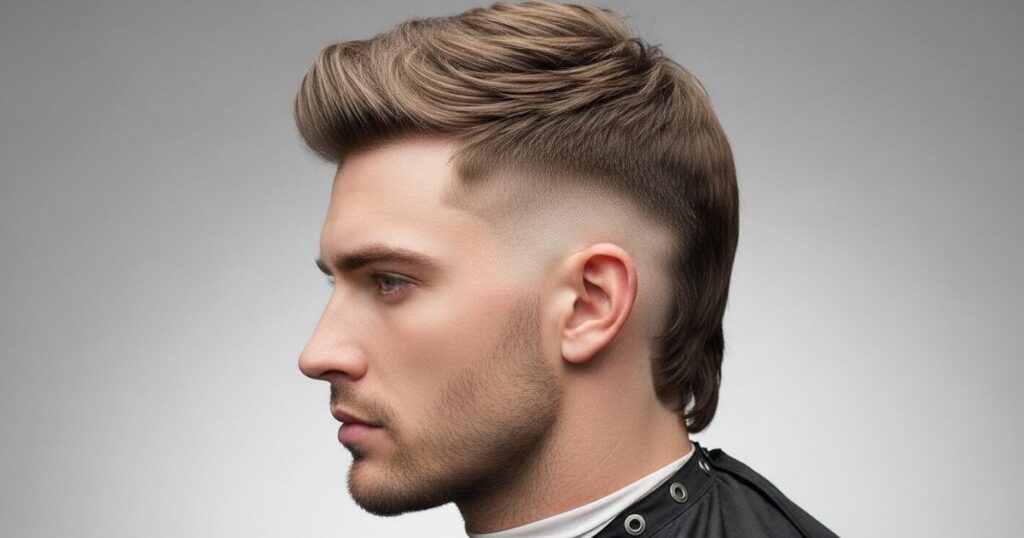
The low fade mullet haircut is the classic starting point. The fade hugs close to the ear and blends gently upward while the top stays textured and the back sits lightly layered. It’s neat enough for the office and relaxed enough for the weekend. Style it with a fingertip of matte clay and a quick spritz of sea salt spray. Trim every four to six weeks and it stays sharp without much effort.
2) Mullet Low Fade
The mullet low fade protects more length around the crown by keeping the fade height conservative. It suits men who want contrast but prefer a softer edge at the temples. The layered mullet haircut effect through the back gives the ends natural movement. Dry on low heat and finish with a light paste to keep things looking relaxed and modern without stiffness.
3) Modern Mullet Low Fade
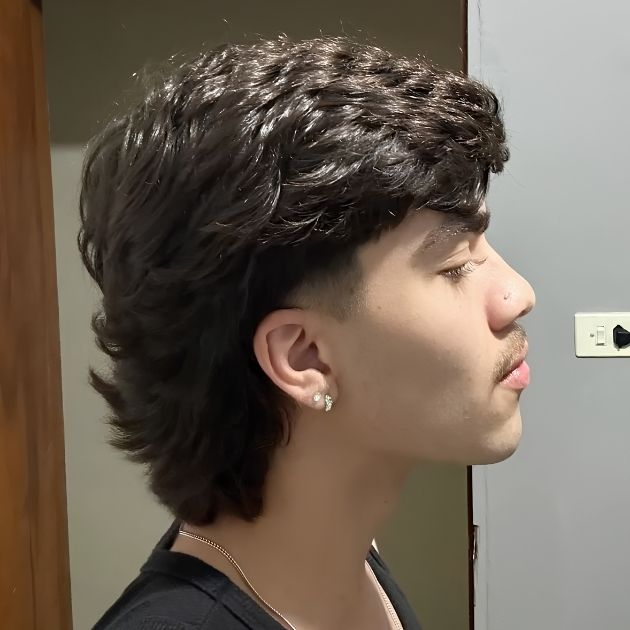
A modern low fade mullet haircut adds crisp edges, a clean neckline, and defined layers that don’t clump together. This is a contemporary mullet style that fits streetwear and smart-casual outfits equally well. Keep two to three inches on top so you can shape it fast each morning. Hit it with sea salt spray for texture and follow up with a small amount of matte pomade. The finish looks intentional every time.
4) Low Mullet Haircut
The low mullet haircut keeps everything modest and low maintenance. Think of it as a professional mullet haircut the fade is subtle, the top is light, and the back sits just past the collar. It’s close to a low taper mullet in feel but with a cleaner blend at the base. This one grows out gracefully between appointments and fits stricter dress codes without looking corporate or stiff.
5) Mullet Low Fade Haircut
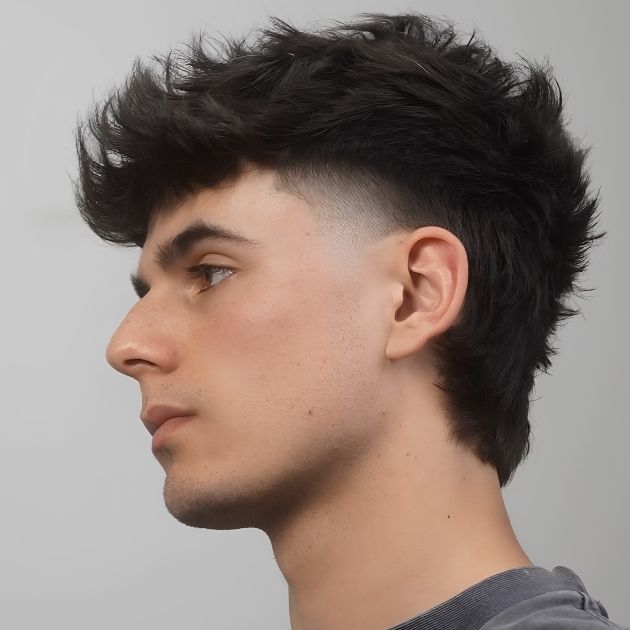
If you’ve got thick hair, the mullet low fade haircut is a smart pick. The short zone near the ear controls puffiness while the longer top and back stay full and flowing. It’s essentially a fade haircut with mullet proportions built in for balance. Ask your barber for soft layers through the back so the ends move instead of stacking. A quick blow dry and a pea-sized amount of clay lock in a clean outline all day.
6) Low Mullet Fade
The low mullet fade is ideal if you wear hats, helmets, or anything that flattens your hair regularly. The short sides rebound fast while the back keeps its length and flow. It also works well as a low skin fade mullet option for men who want a sharper base. For fine hair, this version adds a clear edge that makes the top look fuller. Keep product light a small amount of paste is all you need.
7) Low Mullet
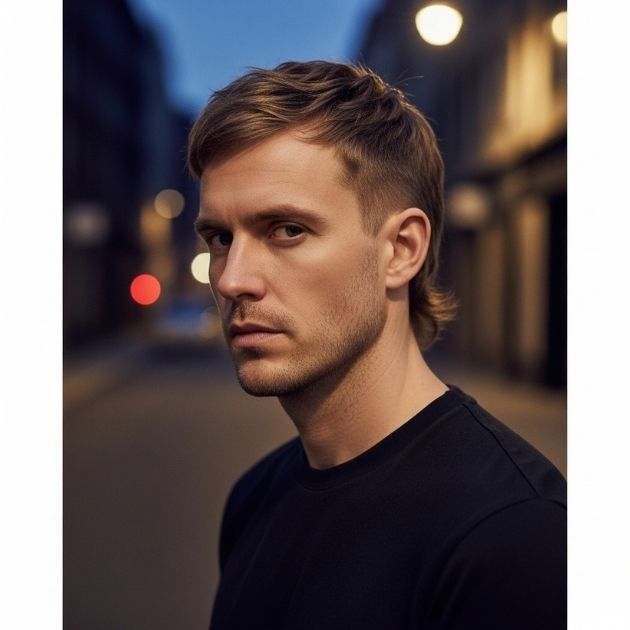
The low mullet is the most versatile setup in this family. Keep the fade low, the top simple, and the back softly layered. It transitions smoothly from gym to office to a night out without missing a beat. The look is clean from the front and shows real movement from the side. It pairs naturally with short stubble or a tidy mullet with beard combination for extra definition along the jaw.
8) Mid Fade Mullet
Stepping up from a low fade mullet vs mid fade mullet comparison, the mid fade mullet lifts the blend higher toward the cheekbones. This creates more contrast and slims wider face shapes noticeably. It also cuts down on side bulk for men with dense hair. The back stays layered so it doesn’t read as a block. Style with sea salt and a light cream for a natural, effortless finish that still looks put together.
9) Mullet Mid Fade
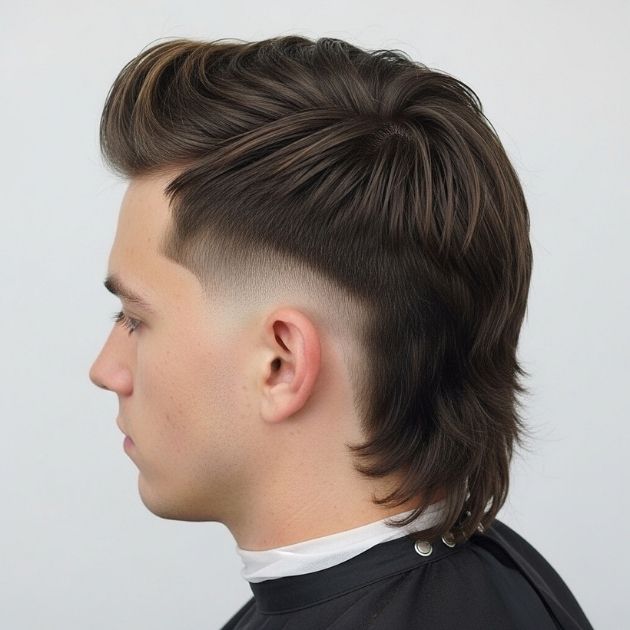
The mullet mid fade centers the arc of the fade on the side panel, which makes it blend quickly into the crown. That fast blend gives the top more perceived height a useful trick for round faces. Keep the back at medium length so the overall profile stays balanced front to back. The result feels sharp and structured without being aggressive or overdone.
10) Mid Fade Mullet Haircut
The mid fade mullet haircut is photo-ready and still office-friendly. The fade height carves a clear frame around the face while leaving enough length above for a smooth bridge into the top. If your hair is very dense, ask for light debulking through the sides. Daily styling is fast dry on low heat, then use matte pomade to define the sweep and parting. The whole thing takes under five minutes.
11) Mid Mullet
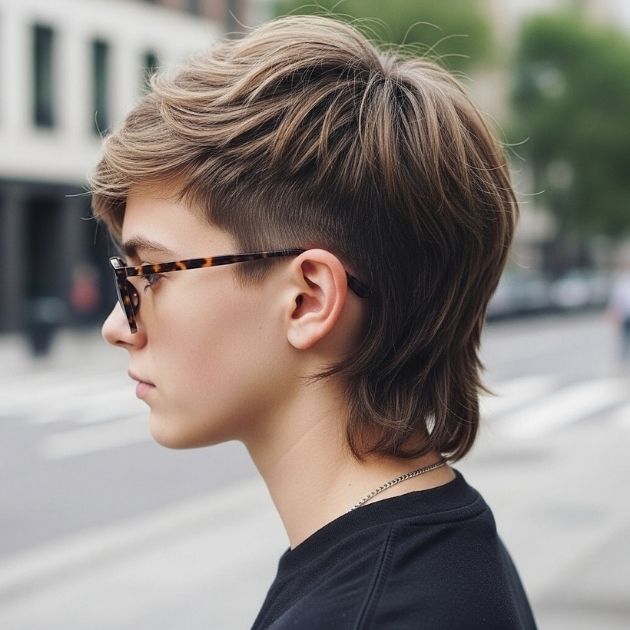
The mid mullet sets the fade height and back length at a balanced middle point. Nothing is extreme. The top sits around two to three inches, the sides are tidy, and the back rests near the collar. It’s a reliable option if you want a modern mullet haircut that never feels too short in summer or too heavy in winter. Low stress, year-round wearable.
12) Mid Mullet Fade
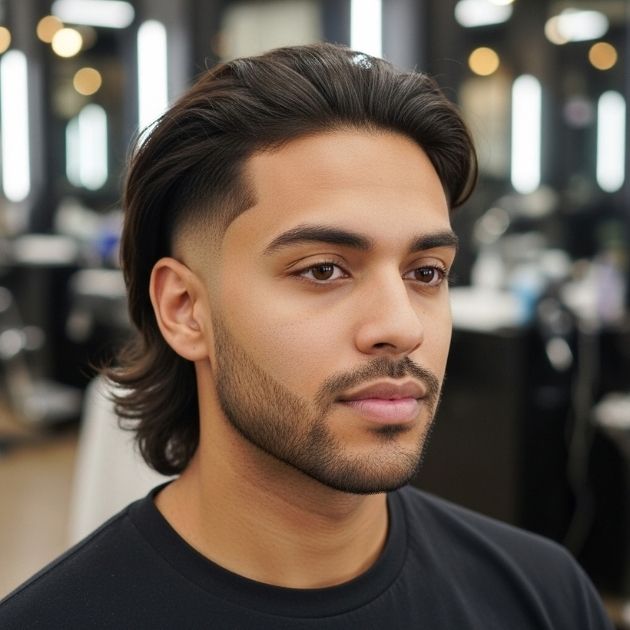
A mid mullet fade pairs a centered fade with a slightly longer back to make the movement obvious without losing control. It suits both straight and wavy mullet haircut styles and blends well with glasses. Use a vent brush for light lift at the roots. Finish with a pea-sized amount of clay to keep the strands separated and clean rather than clumped at the ends.
13) Mid Mullet Haircut
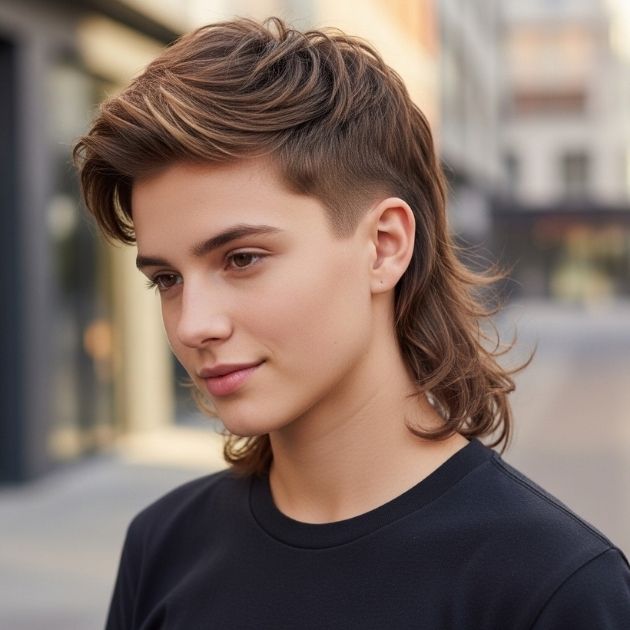
The mid mullet haircut is built for even wear across work and social settings. Keep the crown light, the temples tidy, and the back layered with soft ends. It fits a four to six week trim cycle without looking overgrown between visits. In fact, this version might be the easiest of the mid-range options to maintain long-term while still looking intentional every day.
14) High Fade Mullet
In a low fade mullet vs high fade mullet comparison, the high fade mullet wins on contrast and edge. The fade moves up to the temples, giving the leanest, sharpest side profile of the three tiers. It’s best for very thick hair or anyone who loves bold photos and strong silhouettes. Keep the back layered so the length has movement. Style with sea salt and a touch of matte clay to hold the shape without unwanted shine.
15) High Mullet
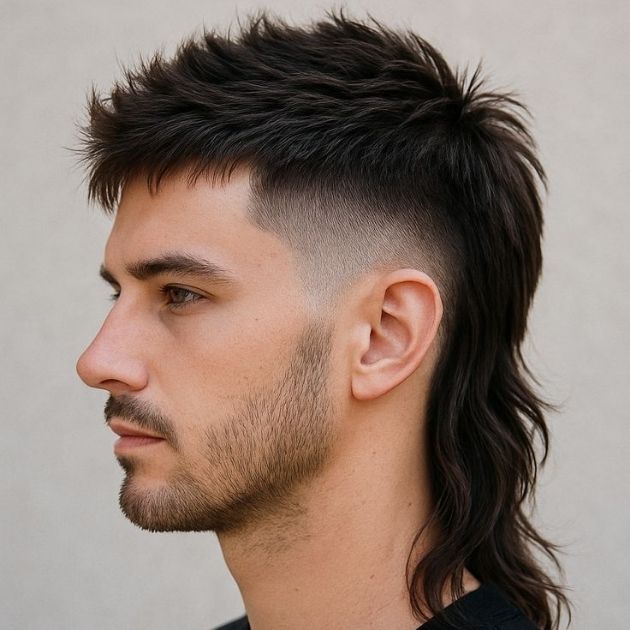
The high mullet combines a high fade zone with a pronounced back length for a bold but wearable look. The key is keeping the blend smooth so the contrast doesn’t feel jarring. Ask for a neat neckline and soft layers to prevent the back from clumping. Regular trims matter here uneven high contrast grows out fast and loses shape quickly. When it’s fresh, though, it genuinely turns heads.
16) High Mullet Haircut
A high mullet haircut suits creative workplaces and nights out while still working with a smart jacket if the layers are clean. The high sides frame the face, the top lifts slightly, and the back flows. Use a gentle shampoo and condition the ends regularly since longer backs can dry out at the tips. Add a small drop of lightweight oil for a sleek finish. Light product is all it needs.
17) Mullet High Fade
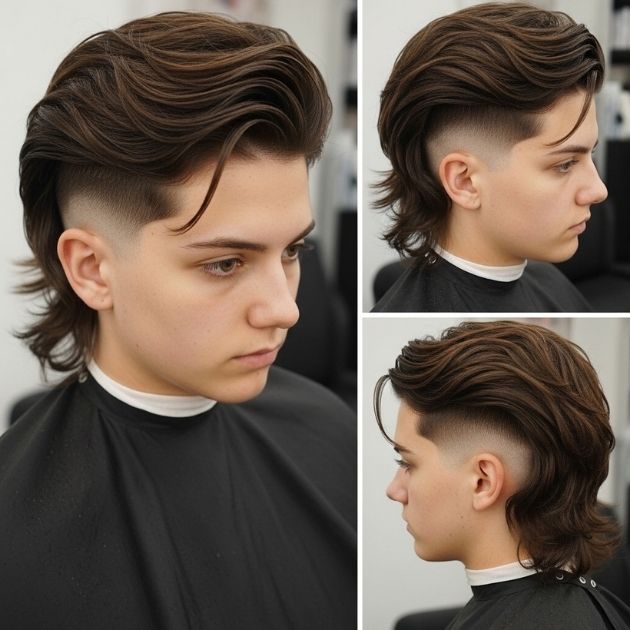
The mullet high fade delivers the strongest contrast of all the barber mullet fade options. The sides start very short and blend into the crown quickly, sculpting sharper cheekbones and a tighter jawline. It pairs well with a short mullet with beard setup for maximum definition. Keep the back at medium length so the look stays modern rather than theatrical. If you want maximum edge on a quick daily routine, this is the one.
How to Style in Three Steps
Styling a low fade mullet doesn’t need to be complicated. Start by towel drying your hair until it’s damp but not soaking. Apply a light sea salt spray through the mid-lengths and ends for natural grip and texture. These are the best hair products for a mullet fade when you want a relaxed, lived-in finish that still holds through the day.
Next, blow dry on low heat and guide the sweep with your fingers or a vent brush. Once it’s dry, work a pea-sized amount of matte pomade or clay through the top. Run a light pass through the back to separate the ends. Pinch the fringe lightly if you have one. The whole routine takes about three minutes once you know your hair. That’s the real appeal of how to style a low fade mullet it’s fast.
Barber Instructions
Knowing what to say makes your appointment smoother and your result better. Ask your barber for a low fade mullet with a smooth blend from the low fade zone into a layered back. Tell them how long you want the top and how far down you want the back to fall. If you’re not sure, bring a photo barbers respond to visuals far better than vague descriptions.
For a barber mullet fade with more contrast, mention mid fade mullet or high fade mullet as alternatives and let them guide you based on your hair density. If your hair is thick, ask for light debulking through the sides and back so it doesn’t stack. For fine hair, keep the back shorter and the top textured so it holds shape without flopping. Clear communication with your barber is honestly half the battle.
Care and Upkeep
How often to trim a mullet fade depends on how sharp you want it to look. Most men do well on a four to six week cycle. The fade grows out fastest, so that’s usually the first sign you need a visit. Between appointments, tidy the neckline and around the ears with a trimmer to keep the outline looking fresh. It takes five minutes and makes a real difference.
Wash your hair two to three times a week and always condition the mid-lengths and ends. The back of a mullet gets drier faster than the sides because it’s longer and sees less natural oil from the scalp. A weekly deep conditioner helps if your hair is prone to dryness. Sleep on a satin pillowcase to cut down on friction overnight. Small habits like these keep a low maintenance mullet haircut looking intentional rather than neglected.
Conclusion
The low fade mullet is one of those rare haircuts that balances boldness with everyday practicality. The sides stay neat, the top holds texture without much effort, and the layered back gives you real movement and personality. Whether you go for a subtle low mullet fade, a mid fade mullet for more contrast, or a mullet high fade for maximum edge, there’s a version here that fits your hair type, face shape, and lifestyle.
Keep your trims consistent, use the right lightweight products, and give your barber clear direction. That’s genuinely all it takes. A well-maintained low fade mullet looks sharp on a Monday morning and just as good on a Saturday night and that kind of versatility is hard to beat.

