If you want a cut that looks sharp, stays cool in hot weather, and takes almost no effort to maintain, the burst fade buzz cut might be exactly what you’re looking for. It’s one of those styles that looks like it took skill to design but is actually pretty simple to keep up. The top stays short and even, and the fade wraps in a clean curve around the ear. That round shape is what makes the whole thing work.
In this guide, you’ll learn what the cut actually is, how to choose the right guard length and fade height, the 12 best variations to consider, and the exact words to tell your barber. You’ll also get a simple care plan so your cut stays fresh between visits.
What Is a Burst Fade Buzz Cut?
A burst fade buzz cut is a short buzz on top paired with a fade that curves in a semicircle around the ear. Unlike a standard taper or drop fade, the burst fade follows the ear’s shape and creates a rounded arc that blends smoothly into the back. The result is a clean, structured look that works on most head shapes and hair types.
The top stays one even length from front to back, so the ear curve becomes the focal point of the style. That’s why getting the shape right on both sides matters so much. A skilled barber will check the symmetry before you leave the chair. It’s a low-maintenance cut, but it does need regular touch-ups to keep that curve crisp and defined.
Related post: Low Fade Mullet Guide: Styles, Mid and High Options
Low, Mid, and High Burst Fade Buzz Cut
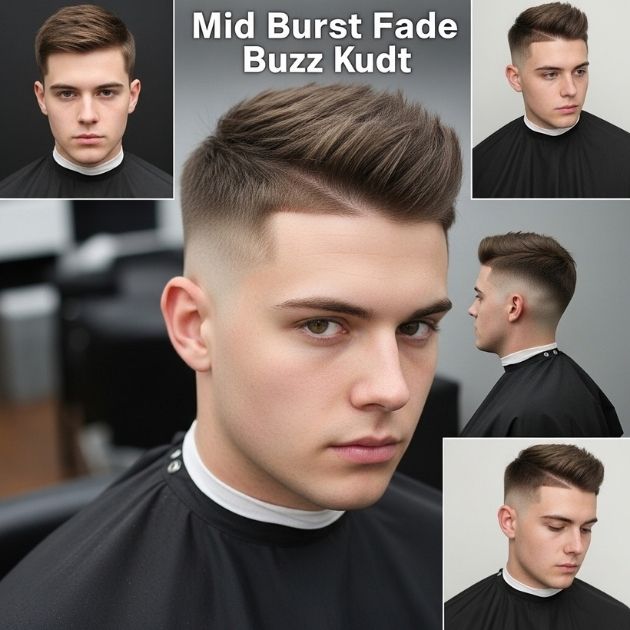
The height of the fade changes the whole personality of the cut. A low burst fade sits just above the ear and keeps the look calm and subtle. It blends naturally and grows out the cleanest, which makes it a great starting point if you’ve never tried this style before. It also works well in professional settings where a more relaxed appearance is expected.
A mid burst fade sits slightly higher and gives the cut a balanced, modern feel. It’s the most versatile option and suits most face shapes. A high burst fade climbs well above the ear, creating strong contrast between the short top and the faded sides. It’s the boldest choice, and it shows hair growth faster, so you’ll need clean-ups sooner. If you’re not sure where to start, mid is the safest pick.
Best Guard Length for a Buzz Cut Fade
Picking the right guard makes a big difference in how the finished cut looks and feels. Here’s a simple breakdown:
| Guard on Top | Look | Best For |
| 0.5 to 1 | Very short, scalp visible | Bold style, hot weather, strong contrast |
| 2 | Clean and even | Most people safest and most popular choice |
| 3 | Slightly softer | Less scalp show, easier grow-out, curly or wavy hair |
Tip: If you have waves or natural curl texture, go with guard 2 or 3. That extra length helps the pattern show up clearly after the fade.
12 Best Burst Fade Buzz Cut Variations
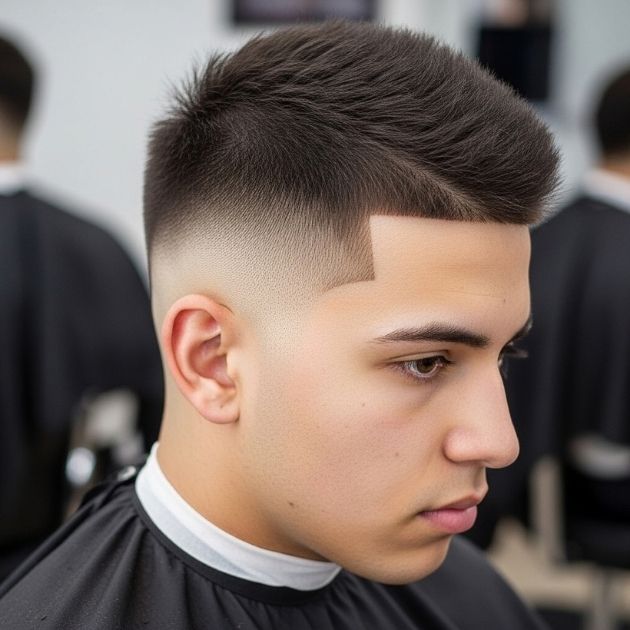
1. Low Burst Fade Buzz Cut
This variation keeps the fade low and close to the ear, so the overall look stays calm and clean. It doesn’t demand attention, but it still looks polished. It’s a great pick for first-timers, people with office dress codes, or anyone who wants a neat cut without dramatic contrast. Ask your barber for a soft blend behind the ear and a natural neckline that isn’t cut too high. It hides grow-out better than any other variation.
2. Mid Burst Fade Buzz Cut
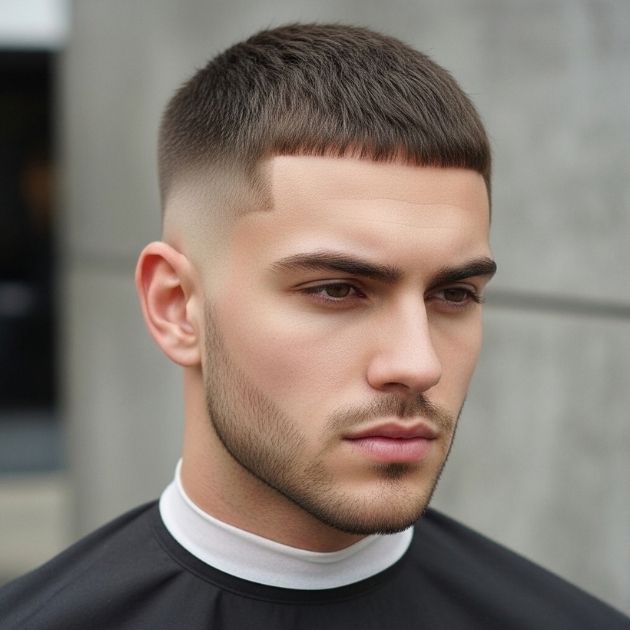
The mid burst fade buzz cut sits a bit higher on the head, so the ear curve is more visible and the style feels more defined. It’s balanced without being too bold. This variation works on most head shapes and hair types, which is why it’s the go-to recommendation for most guys. Ask for a clean blend at the temple and make sure your barber matches both sides before finishing. It’s simple to maintain and grows out smoothly.
3. High Burst Fade Buzz Cut
The high burst fade is the bold option. The fade climbs well above the ear, so the contrast between the short top and the faded sides is sharp and eye-catching. It looks great in photos and gives the cut a strong, structured silhouette. The trade-off is that stubble shows faster on the sides, so plan for clean-ups every 1 to 2 weeks. Ask your barber for a tight round curve and a clean blend into the back.
4. Skin Burst Fade Buzz Cut
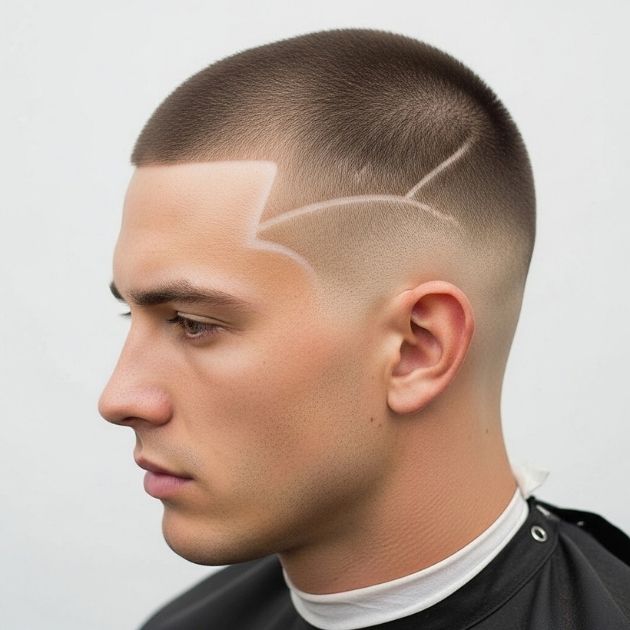
The skin burst fade goes all the way down to bare skin near the ear. It’s the crispest, sharpest version of this style and looks especially clean in strong lighting. The catch is that it shows regrowth very quickly, so it needs the most frequent maintenance of any variation here. Use sunscreen on exposed scalp areas and keep the skin moisturized to avoid dryness or irritation after cuts.
5. Taper Burst Fade Buzz Cut
A taper burst fade keeps the round ear curve but uses softer edges at the temple and neckline. It doesn’t drop as aggressively as a skin fade, so the transition looks more gradual and natural. This makes it a smart pick for offices or anywhere a conservative style is expected. It also grows out more cleanly. Ask for no hard line at the neckline so the blend stays smooth and low-maintenance between visits.
6. Burst Fade Buzz Cut With Line Up
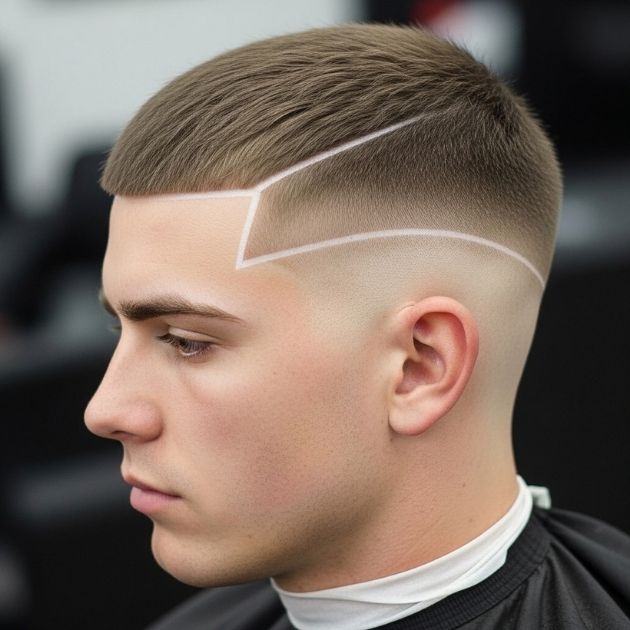
Adding a line up sharpens the whole haircut instantly. The front edge and temple corners become defined and clean, giving the style a more intentional look. It works especially well on textured hair. Ask your barber to follow your natural hairline rather than pushing it back a natural line up always looks better long-term. Keep the hairline clean between visits and avoid over-shaving the corners at home.
7. Buzz Cut Burst Fade With Beard Blend
When the fade flows naturally into the beard, the whole side profile looks finished and intentional. There’s no harsh step between the sideburn and the facial hair it just transitions smoothly. Tell your barber exactly how short you keep your beard so they can match the lengths correctly. At home, use beard oil to keep the skin comfortable and keep your neckline tidy so the blend stays clean week to week.
8. Burst Fade Buzz Cut With Design Line
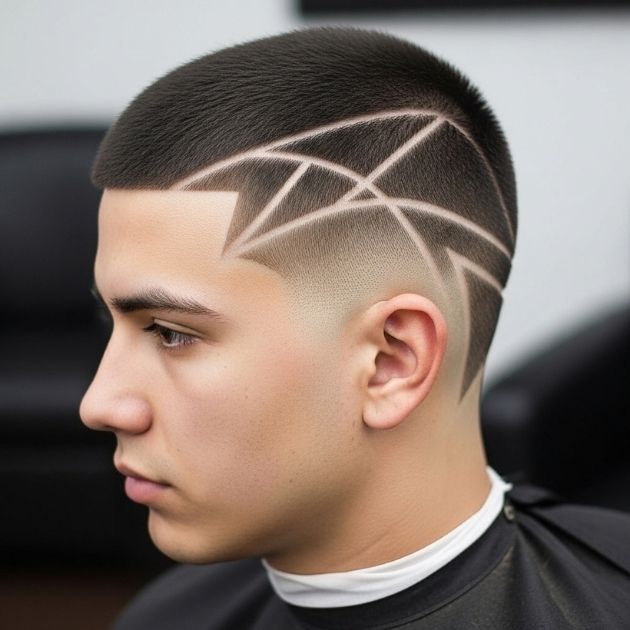
If you want to add one personal detail, a shaved design line in the fade area is a clean way to do it. Keep it simple one thicker stripe behind the ear or just above the burst curve works best. Simple designs hold up longer as hair grows. Always let your barber do this, not yourself. Let it grow naturally between visits so the line looks sharp when you come back for the next clean-up.
9. Burst Fade Buzz Cut With V Neckline
Instead of a straight or rounded neckline, a V shape at the nape adds an unexpected detail from the back. It looks sharp and slightly more edgy than a standard finish. Ask your barber to center the V and keep it from going too high a V that climbs too far up the neck can look off. Pair it with a low or mid burst fade for a balanced result. This neckline also helps the cut look fresh longer between visits.
10. Burst Fade Buzz Cut for Waves
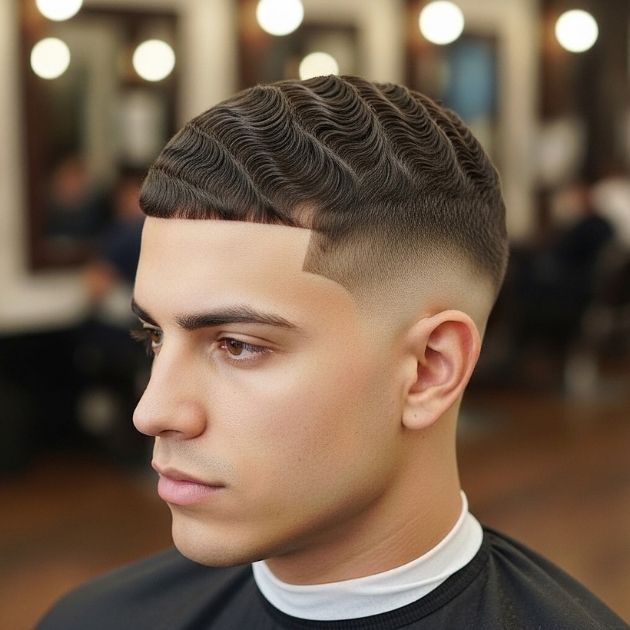
Waves need enough length on top to form the pattern, so most guys use guard 1.5 to 3 for this variation. The burst fade keeps the sides clean without removing the texture at the crown. Ask for a smooth curve around the ear and a clean temple area. At home, brush daily with firm, even strokes, apply a light leave-in moisturizer, and wear a durag at night to lock in the pattern. Don’t overload oils heavy product can clog the scalp and cause itching.
11. Burst Fade Buzz Cut With Short Curls
Short curls need a bit more length on top so the texture can actually show. Guard 2 or 3 usually works well. The burst fade removes bulk from behind the ear so the curve looks clean and doesn’t puff out. After cuts, apply a leave-in conditioner and a small amount of curl cream, then scrunch and let it air-dry. Skip heavy gels they weigh curls down and make the pattern look crunchy instead of natural.
12. Burst Fade Buzz Cut for Straight Hair
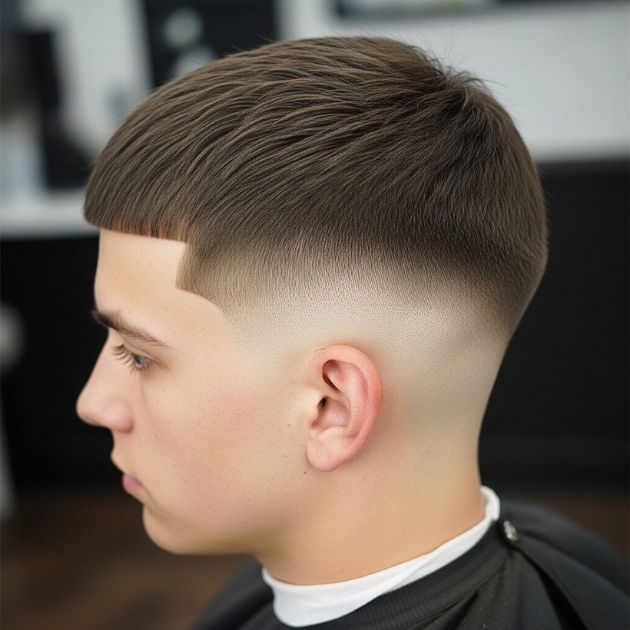
Straight hair shows every uneven line clearly, so a smooth fade matters more here than with textured hair. Ask your barber for a slow, careful blend that removes any visible step lines behind the ear. Guard 1, 2, or 3 all work pick based on how much scalp you want to show. At home, rinse, dry, and brush with the grain. No product needed. If your scalp shows more than you’d like, go one guard up next time.
Waves and Short Curls Tips
Waves stay sharp when you brush consistently and keep moisture balanced. Use a light leave-in after washing, then brush with even strokes in the direction of your pattern. Don’t overdo it with oils or creams a heavy hand can block the scalp and make it itch. Wear a durag or wave cap at night so the pattern stays compressed and tight while you sleep. Consistency is everything with waves; skipping even a few nights can loosen the pattern noticeably.
For short curls, the key is hydration without weight. A small amount of leave-in plus a curl cream applied while hair is damp gives the best results. Scrunch gently and let it air-dry without touching it too much. Keep the burst fade smooth behind the ear if that area stays bulky, the curve can look uneven and the whole cut loses its shape. A clean-up every 2 to 3 weeks keeps everything looking tight and defined.
Straight Hair Tips
Straight hair is unforgiving when it comes to the blend. Any rough transition shows up clearly, so ask your barber to take their time on the fade and remove all visible lines from the sides and back. A low or mid burst fade grows out the most naturally on straight hair. High fades tend to show regrowth faster and need more frequent touch-ups, so factor that into your schedule before choosing the height.
At home, keep things simple. Rinse, dry, and brush with the grain. Most days you won’t need any product at all. If your scalp is more visible than you’d like, go one guard number higher on your next visit. Also, avoid over-brushing in the fade area it won’t smooth anything out and can irritate the scalp after a close cut.
What to Tell Your Barber
Keep your instructions simple and specific. Start with your guard number, then name the fade height, then add one detail if you want it. Here’s a sample script: “Guard 2 on top, mid burst fade around the ear, natural neckline, and a light line up.” That gives your barber everything they need in one sentence. If you can bring a clear photo from the side, bring it. A photo removes all guesswork and helps the barber match the ear curve correctly on both sides.
Before you leave the chair, check both sides in the mirror and make sure the curves match. If one side sits higher than the other, ask for a quick adjustment right there it’s much easier to fix in the chair than to wait until your next visit. Also, tell your barber if you’ve had any scalp sensitivity or if you’re trying to grow out a previous style. That context helps them make smarter decisions about the blend and the neckline.
Maintenance and Common Mistakes
Most guys need a clean-up every 2 to 3 weeks to keep the burst curve and neckline defined. If you went with a high fade or skin fade, plan for every 1 to 2 weeks those grow out faster and start looking rough sooner. High fade maintenance is part of the commitment, so budget your schedule accordingly before choosing how aggressive you want the cut to be.
The most common mistake is pushing the neckline higher at home between visits. It seems harmless, but once you move it up, it’s hard to bring it back down without removing more length. Another mistake is skipping the mirror check before leaving the barber. Always compare both sides. Don’t use heavy product on a very short buzz either it just sits on the scalp and looks greasy. Rinse, brush, and keep it clean.
Conclusion
The burst fade buzz cut is one of the cleanest short haircuts around because the ear curve gives you strong shape without any daily styling effort. Pick guard 2 if you want the most reliable result. Choose low for a calm, easy-to-maintain look, mid for a balanced everyday style, and high if you want bold contrast and a sharp silhouette. Then pick one detail a line up, a beard blend, or a V neckline and keep your clean-ups on schedule.
This style is popular for good reason. It’s versatile, low-effort, and works on nearly every hair type and face shape. Bring a clear side-profile photo to your barber, use the script from this guide, and you’ll walk out with the same great result every time.

