Finding the right Low Taper Fade Black Male Haircuts style can transform your entire look in one barbershop visit. This cut has become the go-to choice across the country because it blends seamlessly with waves, curls, afros, braids, and locs instead of erasing your natural texture. Rather than fighting your hair type, it works with it, creating a sharp outline that stays polished from Monday meetings to weekend gatherings.
This guide covers everything you need to know about Low Taper Fade Black Male Haircuts, from choosing the right variation for your face shape to communicating clearly with your barber. You’ll also find maintenance tips, product recommendations, and the latest 2026 trends shaping this timeless style.
What Is a Low Taper Fade for Black Men and Why Does It Work So Well?
A low taper fade blends the sides and neckline starting just above the ears, tapering down through clipper guards from a #3 or #2 to a #1, #0.5, or skin near the nape. It works especially well on 3C–4C hair because the natural density on top creates strong, defined contrast against the clean, tapered sides. The blend starts just above the ears and flatters every curl and coil pattern, pairing naturally with waves, afros, twists, cornrows, and locs. Because it grows out gradually rather than in a hard line, it stays presentable between touch-ups every 2 to 3 weeks.
Related post: Low Taper Fade for Kids: 25 Trendy Haircut Ideas for Boys in 2026
Low Taper Fade vs. Other Fades: What Every Black Man Needs to Know
Walking in and asking for “a fade” is how most men leave disappointed, since there are several distinct fade heights and each one looks completely different in the chair.
| Fade Type | Starting Point | Skin Exposure | Best For |
| Low Taper Fade | Above ears/neckline | Minimal | Work, school, everyday |
| Mid Taper Fade | Temple level | Moderate | Balanced, versatile |
| High Taper Fade | Upper sides | High | Bold, dramatic |
| Skin/Bald Fade | Any height, to skin | Maximum | Edgy, sharp |
| Drop Fade | Curves behind ear | Varies | Unique silhouette |
| Burst Fade | Around the ear | Moderate–high | Mohawks, frohawks |
30+ Best Low Taper Fade Black Male Styles
Below are proven low taper variations grouped by category, so you can find the right match for your texture and lifestyle.
Short & Classic Styles
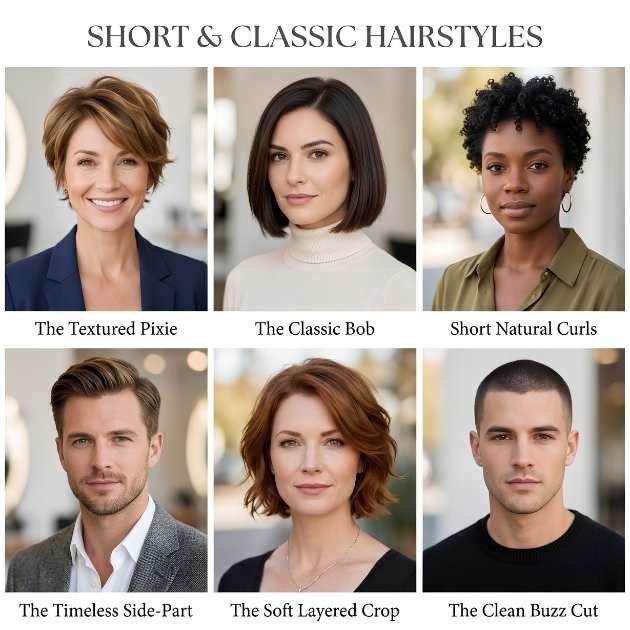
The short low taper keeps the top between half an inch and one inch, working on any face shape or hair type. A buzz cut version uses one uniform guard on top for near-zero styling time, while the Caesar cut brings a short horizontal fringe that’s become a barbershop staple. The crew cut leaves the front slightly longer for a workplace-friendly finish, and the textured crop uses choppy layers for natural movement.
Waves & Curl Styles
With 360 waves, the taper frames the wave pattern as the true focal point of the whole cut. A curly top keeps 3C to 4A curls bouncy and natural, while natural coils on 4B to 4C hair create sharp, dramatic contrast against the sides. Sponge curls offer a quicker alternative, producing uniform, defined coils in just a few minutes.
Afro Styles
The short afro, at one to two inches, remains the most classic low taper pairing of all time. A full afro pushes three to five inches for more dramatic contrast, while the high top uses vertical growth for a structured, 90s-inspired silhouette. The frohawk borrows the mohawk shape but executes it using natural afro texture.
Protective & Long Styles
Two-strand twists and sponge twists both protect natural hair while keeping the sides clean and structured. Box braids and cornrows add intricate contrast against the tapered sides, and locs bring a free-flowing top with a tidy, intentional base. Finger coils take longer to create but deliver a hand-sculpted, high-definition texture that pairs beautifully with a sharp taper.
Beard Combination Styles
A full beard blend creates one continuous gradient from crown to chin with no hard line separating hair from beard. A short trimmed beard sharpens the jawline without heavy daily upkeep, and a goatee pairing draws attention toward the chin, which works especially well on wider face shapes.
Bold & Creative Styles
For men who want something more expressive, a razor-carved hair design adds geometric lines or patterns into the fade zone. The classic line-up or edge-up remains the most popular finishing touch on any low taper. A blowout stretches natural volume with heat, revealing length that shrinkage normally hides.
Styles for Black Boys and Teens
Boys between eight and twelve typically wear a simple, school-appropriate low taper that’s easy for parents to maintain. Teens from thirteen to seventeen get a clean, structured base on the sides while keeping the top open for whatever personal style fits their taste, from waves to a bold design.
More Styles to Try
Flat twists deliver layered texture without the weight of box braids, while a curly fringe lets loose curls fall forward for a softer look. Colored tips in blonde, copper, or platinum add dimension for men who want to stand out, and the classic no-frills taper keeps things simple with natural length and zero added styling.
Best Low Taper Fade Style for Your Face Shape
| Face Shape | Best Style | Why It Works |
| Oval | Any variation | Balanced proportions suit everything |
| Round | Afro, high top, blowout | Vertical volume elongates the face |
| Square | Waves, short afro | Clean sides highlight the jawline |
| Diamond | Curly top, textured crop | Softens wide cheekbones |
| Heart | Short afro, textured crop | Balances a wider forehead |
| Oblong | Waves, short crop | Adds width, not length |
How Black Hair Textures Work with the Low Taper Fade
Not all Black hair behaves the same way, so the right taper pairing depends heavily on curl pattern. Type 3C hair has springy, well-defined corkscrew curls that pair well with a curly crop or finger coils. Type 4A hair has soft, S-shaped coils that look excellent with sponge curls or a rounded afro. Type 4B hair has a denser, Z-shaped pattern that suits 360 waves or twists especially well. Type 4C hair, the tightest of all with shrinkage up to 75 percent, creates the sharpest possible contrast when paired with a short afro, buzz cut, or blowout.
How to Ask Your Barber for a Low Taper Fade
Vague requests are the top reason men leave the chair unhappy, so bring a reference photo and use a script like this one: “I want a low taper fade. Start the taper just above my ears and blend toward the neckline. Keep it skin, #0.5, or #1 at the base. Leave the top natural, waves, afro, or curls. I also want a line-up, beard fade, or no design. Keep the neckline natural, rounded, or squared.” Always specify your neckline shape clearly, mention any add-ons out loud, and bring an updated photo rather than relying on memory alone.
How to Maintain Your Low Taper Fade
| Task | Frequency |
| Full taper touch-up | Every 2–3 weeks |
| Line-up/edge-up | Every 1–2 weeks |
| Moisturize hair/scalp | Daily or every other day |
| Sulfate-free wash | 1–2 times per week |
| Deep conditioning | Once per week |
| Clarifying shampoo | Once per month |
Products Every Black Man Needs for His Low Taper Fade
| Product | Best For |
| Leave-in conditioner | All hair types |
| Curl cream/activator | 3C–4A curls |
| Shea butter | 4B–4C coils |
| Wave pomade | 360 waves |
| Edge control | Sharp hairlines |
| Sulfate-free shampoo | Gentle cleansing |
The Cultural Significance of the Low Taper Fade for Black Men
The fade traces back to military grooming standards of the 1940s and 50s, but Black barbers reshaped it into an art form by the 1980s, turning it into a hip-hop staple. Barbershops became more than service stops during this era, growing into community hubs for mentorship, music, and conversation. That legacy still defines the culture today, where the haircut is the reason you walk in but the community is the reason you keep coming back.
Low Taper Fade Black Male: 2026 Trends
This year’s biggest movement is hybrid texture combinations, where two different styles like sponge curls and flat twists sit on the same head over one clean taper base. Micro-designs carved into the fade zone continue to grow more detailed, and blonde, copper, or platinum tip coloring is having a major moment against natural dark bases. Sharp, angular “black ninja” edge lines are crossing over from barbershop competitions into everyday wear, and AR virtual try-on tools now let men preview a cut before ever sitting in the chair.
Taper vs. Fade: What Is Actually the Difference?
A taper gradually shortens hair without ever reaching bare skin, always leaving some length behind. A fade is more aggressive and can drop all the way down to skin level depending on how high or low it starts. A taper fade combines both approaches, blending the soft gradient of a taper with the crisp finish of a fade, which is why it remains the most balanced, low-maintenance option for Black men.
How often should I get my low taper fade touched up?
Most Black men should plan for a full taper touch-up every 2 to 3 weeks to keep the blend sharp. A standalone line-up every 1 to 2 weeks in between keeps the hairline crisp without needing a full cut. The low taper grows out more gracefully than higher fades, so you can stretch visits if needed.
Does a low taper fade work with braids or locs?
Yes, the low taper pairs cleanly with box braids, cornrows, two-strand twists, and locs of any length or stage. The tapered sides create sharp contrast against the textured or braided top for a polished finish. It’s one of the most requested combinations for Black men wearing protective styles.
Is a low taper fade professional enough for work?
Yes, it’s widely considered one of the most workplace-appropriate fades available today. Because the taper starts low and only affects the sideburns and neckline, it removes minimal hair for a subtle, clean silhouette. That makes it a safe choice for interviews, offices, and formal events alike.
What’s the difference between a low taper and a low fade?
A low taper blends gradually and keeps more visible hair throughout the transition zone. A low fade starts slightly higher and drops length faster, resulting in more skin exposure on the sides. For dense, coily hair, the low taper usually grows out cleaner and looks more natural over time.
Conclusion
The low taper fade earns its reputation because it adapts to you, not the other way around. Whether you’re wearing 360 waves, a full afro, locs, or a clean classic cut, this style gives you a sharp, professional outline without erasing the texture that makes your hair yours. It’s forgiving between visits, flatters nearly every face shape, and works in the boardroom just as well as it does at a cookout.
The real key to getting it right is communication. Bring a reference photo, know your neckline preference, and speak up about add-ons like a beard fade or line-up. Pair that with a consistent maintenance routine and the right products for your curl pattern, and your low taper fade will stay fresh, healthy, and unmistakably sharp well into 2026 and beyond.

