
Mens Capsule Wardrobe Essentials does not require dozens of shirts, several nearly identical pairs of jeans, or expensive designer labels. The right mens capsule wardrobe essentials help you create more outfits with fewer, better-chosen pieces. The goal is to own clothing that fits well, works together, and suits your everyday routine.
A men’s capsule wardrobe is a coordinated collection of clothing built around versatile basics, compatible colors, and practical layers. Depending on your lifestyle, it can include T-shirts, Oxford shirts, jeans, chinos, knitwear, jackets, sneakers, boots, and a few useful accessories. You can adapt the collection for business casual, student life, travel, weekends, or formal occasions.
What Are Men’s Capsule Wardrobe Essentials?
Men’s capsule wardrobe essentials are versatile clothing items that work together to create outfits for different everyday situations. Common essentials include basic T-shirts, casual shirts, jeans, chinos, knitwear, a suitable jacket, versatile shoes, and practical accessories. The ideal collection depends on your climate, dress code, personal style, laundry routine, and budget.
The main principle is compatibility: each new item should work with several pieces you already own. A navy overshirt, for example, may work with a white T-shirt, gray sweater, dark jeans, and chinos. That flexibility makes it more useful than a garment that matches only one specific outfit.
A capsule wardrobe is not a strict uniform. You can prefer streetwear, classic menswear, smart casual clothing, or relaxed basics while following the same principle: select useful pieces that support your actual lifestyle.
What Makes a Men’s Capsule Wardrobe Effective?
Versatility Matters More Than Quantity
A useful capsule wardrobe includes clothing that can serve multiple purposes. A plain T-shirt might work for a relaxed weekend, a travel outfit, or a casual layer beneath a jacket. Dark jeans may suit everyday activities, casual dinners, and some relaxed workplaces.
Before buying anything, consider how many existing garments it can complement. A simple test is to identify three possible combinations using clothes you already own. If a garment fits well, serves a real purpose, and coordinates with several items, it may be a worthwhile addition.
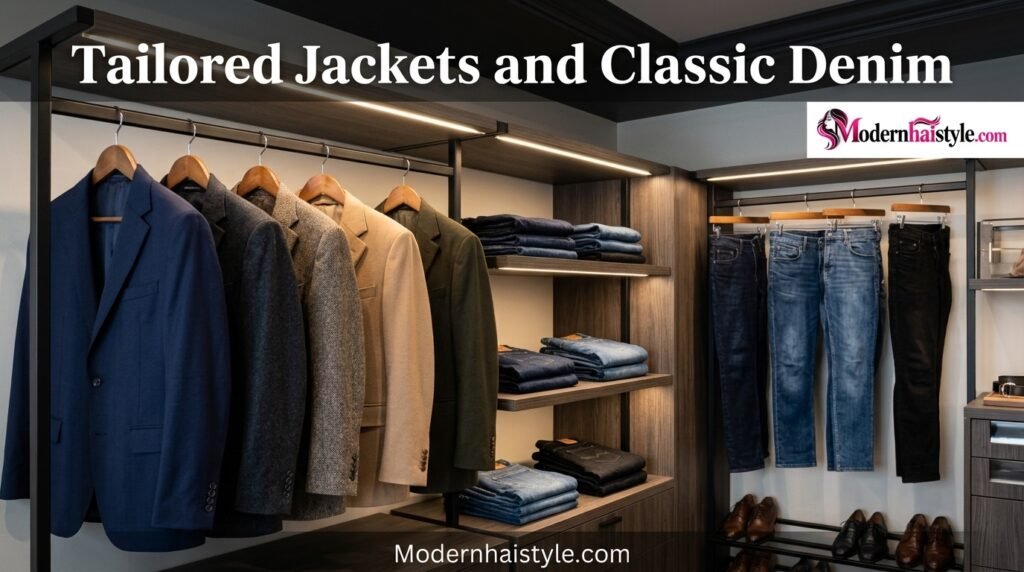
However, versatility does not mean every item must work for every occasion. Running shoes, formal shoes, gym clothing, and a winter coat serve different needs. A practical wardrobe accommodates those differences instead of forcing every garment into the same role.
Fit and Comfort Determine Whether You Wear an Item
Even high-quality clothing can become a poor purchase when the fit feels uncomfortable or restricts movement. T-shirts should sit comfortably around the shoulders, trousers should allow natural movement, and jackets should accommodate the layers you expect to wear underneath.
Fit also depends on personal preference. Some men prefer slim-straight jeans, while others choose relaxed cuts or wider trousers. The important point is consistency: choose silhouettes that suit your proportions and allow you to combine garments comfortably.
Do not assume that a more expensive brand automatically provides a better fit. Compare measurements, inspect size charts, and try garments whenever possible. Alterations may also improve certain items, especially trousers and some tailored garments.
Choose a Color Palette Before Shopping
Color coordination helps a small wardrobe produce more outfit combinations. Begin with two or three base colors, then add a secondary color and an optional accent. Navy, white, gray, black, olive, brown, and cream can provide a useful starting point.
A neutral palette does not mean every outfit must look identical. Different textures, garment shapes, footwear, and layers can create variety while keeping the overall wardrobe coordinated.
For example, navy chinos can work with a white T-shirt, a light-blue Oxford shirt, a gray sweater, or an olive overshirt. One pair of trousers can therefore support several different looks.
Quality Should Match the Garment’s Purpose
Quality depends on more than the brand name or price. Fabric composition, construction, stitching, buttons, zippers, comfort, and care requirements all affect whether a garment suits your needs.
You may benefit from investing more in an item you wear frequently, such as everyday shoes or a winter coat. A seasonal T-shirt or occasional accessory may not require the same spending priority.
The best approach is to evaluate each garment individually. Look for suitable materials, reliable construction, comfortable fit, and realistic maintenance requirements rather than assuming that the most expensive option is always best.
The Complete Men’s Capsule Wardrobe Essentials Checklist
The following checklist is a flexible starting point, not a rule that every man must follow. Your ideal quantities will depend on how often you do laundry, how frequently you attend formal events, and whether your climate requires specialized clothing.
1. Basic T-Shirts
Basic T-shirts are among the most useful items in a men’s everyday wardrobe. They can be worn alone, layered beneath an overshirt, or paired with a sweater or casual jacket.
Start with colors that match your trousers and outerwear. White, navy, gray, black, and cream are practical options, but you only need the shades that suit your existing clothes.
Look for a neckline that retains its shape, comfortable shoulder seams, suitable fabric weight, and a length that works when worn tucked or untucked. Cotton jersey is a common choice for everyday comfort, while cotton blends may offer different drying or stretch properties.
A reasonable starting point is three to five everyday T-shirts, adjusted for laundry frequency and use. You may need additional shirts if you wear them daily, exercise frequently, or live in a hot climate.
2. Oxford Shirts and Casual Button-Downs
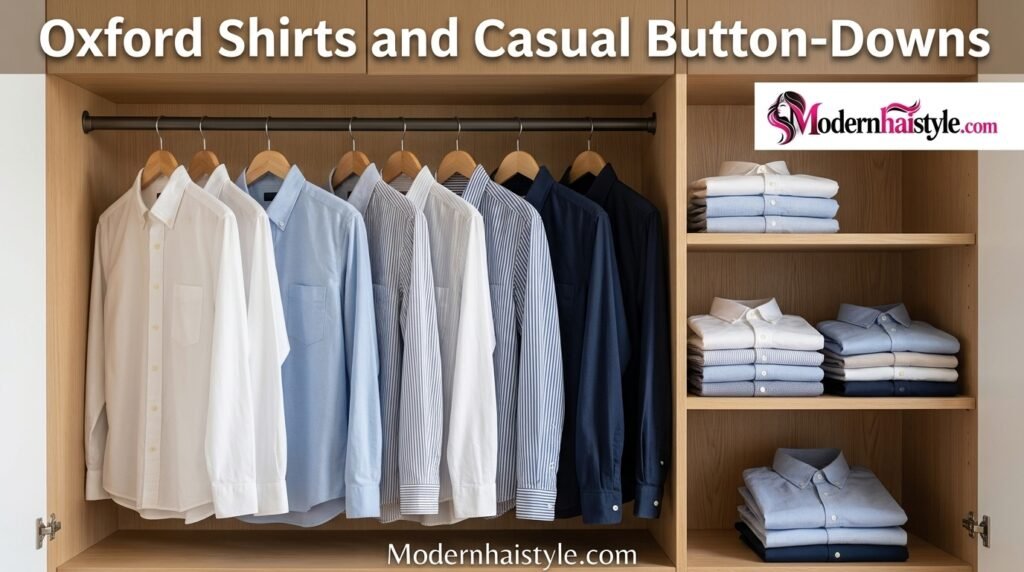
An Oxford shirt adds structure to an outfit without requiring formal tailoring. It can be worn with jeans for a relaxed appearance, chinos for smart casual occasions, or beneath a sweater in cooler weather.
A white or light-blue Oxford shirt is a useful starting point because both colors work with many trousers. You can add a striped or checked shirt if it complements your preferred palette.
Choose a shirt that fits comfortably at the shoulders and chest. Sleeves should allow natural movement, and the body should not pull excessively across the buttons. If you regularly wear shirts to work, consider how they look both tucked and untucked.
Two versatile casual shirts may be enough for a basic wardrobe. Add more when your workplace, social activities, or personal style makes them useful.
3. Jeans
Jeans provide a durable, everyday option for casual outfits. Dark-wash denim often works particularly well in a capsule wardrobe because it can look more polished than heavily distressed or faded styles.
Choose a cut that suits your proportions and feels comfortable when sitting, walking, and climbing stairs. Straight-leg and slim-straight styles can be versatile, but relaxed fits may work better for some body types and preferences.
Avoid buying multiple pairs that serve exactly the same purpose. One dark pair and one lighter or more relaxed pair may provide enough variety for many casual wardrobes.
Before buying jeans, consider the following:
- Fit: Check the waist, rise, thigh, and leg opening.
- Wash: Choose a color that complements your shirts and shoes.
- Construction: Inspect stitching, seams, and hardware.
- Comfort: Make sure you can sit and move naturally.
- Care: Follow the garment’s care label to help preserve its appearance.
4. Chinos and Tailored Trousers
Chinos bridge the gap between casual jeans and dressier trousers. They work well for business casual settings, dinners, smart casual outfits, and situations where denim feels too relaxed.
Navy, beige, olive, and gray are useful colors, although the best choice depends on your current palette. Navy chinos can coordinate with white shirts, gray knitwear, and many casual jackets. Beige chinos can work with navy, white, olive, and brown.
If you need office clothing, a pair of tailored trousers may be more useful than an additional pair of jeans. Choose the option that fills a genuine gap in your wardrobe.
For many beginners, one or two pairs of versatile non-denim trousers are a reasonable starting point. You can expand the selection when you need more formal outfits or different seasonal fabrics.
5. Sweaters and Knitwear
Knitwear adds warmth and texture while helping basic clothing feel more complete. A crewneck sweater is an adaptable option because it can be worn with jeans, chinos, or tailored trousers.
Gray, navy, cream, and olive can complement a neutral wardrobe. A fine-gauge sweater may work beneath a blazer, while a heavier knit is better suited to colder conditions and relaxed outfits.
Cotton sweaters can be useful for transitional weather, while wool and merino wool may provide warmth with different weight and care characteristics. Cashmere is another option, but it requires appropriate care and may not be necessary for every budget.
Begin with one versatile sweater if you live in a warm climate or rarely wear knitwear. Add more pieces when cold weather or your daily routine requires them.
6. Hoodies and Sweatshirts
Hoodies and sweatshirts are practical for relaxed settings, commuting, travel, and casual weekends. They are particularly useful if your everyday clothing leans toward streetwear or comfortable basics.
A plain hoodie in navy, gray, black, or another compatible color is easier to coordinate than a garment with a large graphic or a highly specific color combination. A crewneck sweatshirt can offer a slightly cleaner silhouette when you do not want a hood.
These items are not essential for every man. If your workplace requires formal clothing or you rarely wear casual layers, prioritize shirts, knitwear, or jackets instead.
7. Overshirts and Casual Jackets
An overshirt provides a practical middle layer between a shirt and a heavier jacket. It can be worn over a T-shirt, under a coat, or with jeans and chinos during mild weather.
A denim jacket, bomber jacket, or chore coat can also serve as an everyday outer layer. You do not need all three unless they suit different situations in your lifestyle.
Choose the jacket that covers your most frequent needs. Consider climate, rain exposure, storage space, and whether it works with your existing trousers and footwear.
8. A Versatile Blazer
A blazer can be useful for office meetings, dinners, presentations, weddings, and smart casual events. It offers a more structured appearance than a casual jacket without requiring a complete suit.
Navy is a practical starting color because it can work with gray trousers, chinos, dark denim, and a variety of shirts. However, a blazer is optional if your lifestyle rarely calls for tailored clothing.
Check the shoulder fit first, then consider chest comfort, sleeve length, jacket length, and whether you can wear it comfortably over a shirt or lightweight sweater. A blazer that fits poorly may remain unworn even when its color is versatile.
If you attend formal events frequently, a matching suit may be more useful than a separate blazer. Choose according to your actual dress-code requirements.
9. Outerwear for Your Climate
Outerwear should reflect the weather where you live. A lightweight jacket may be enough in a mild climate, while colder regions may require a warm coat, insulated layer, or weather-resistant shell.
| Outerwear type | Best use | What to consider |
|---|---|---|
| Lightweight jacket | Mild weather and everyday outings | Weight, fit, and layering |
| Denim jacket | Casual outfits and transitional seasons | Compatibility with jeans and chinos |
| Bomber jacket | Relaxed everyday clothing | Length, shoulder fit, and warmth |
| Chore coat | Casual layering and practical use | Pockets, fabric weight, and room for layers |
| Rain jacket | Wet weather and commuting | Water resistance, ventilation, and hood |
| Wool overcoat | Colder weather and smarter outfits | Warmth, length, and layering space |
| Insulated winter coat | Cold climates | Weather protection, insulation, and mobility |
Avoid buying several jackets with nearly identical functions. One reliable everyday jacket and one weather-specific layer may be more useful than a large collection of similar outerwear.
10. Sneakers
Sneakers are useful for everyday errands, travel, relaxed social occasions, and casual outfits. A clean, simple design is usually easier to coordinate than a highly specialized athletic shoe.
White sneakers can work with jeans, chinos, shorts, and some relaxed tailored trousers. Black, gray, and neutral-colored sneakers may be more practical if you prefer darker clothing or want footwear that shows less visible dirt.
Choose footwear based on fit, comfort, intended use, and maintenance. Shoes designed for everyday walking are not automatically appropriate for running or specialized sports.
A versatile casual sneaker is a good starting point for many wardrobes. Add another pair when your activity level, climate, or dress code calls for it.
11. Loafers and Dress Shoes
Loafers can bridge casual and smart casual dressing. Depending on their design and the setting, they may work with chinos, tailored trousers, dark jeans, or lightweight summer clothing.
Derby shoes, Oxford shoes, and other dress shoes are more useful when your work or social calendar requires formal footwear. Their suitability depends on the outfit and the event’s dress code.
Do not buy several dress shoes before identifying how often you wear formal clothing. A comfortable, appropriate pair may cover most occasional needs.
12. Boots
Boots can be useful in cooler weather, wet conditions, or outfits that benefit from a sturdier appearance. Chelsea boots, chukka boots, and other everyday leather or suede styles each create a different look.
A versatile boot should suit your climate and regular activities. Check sole grip, construction, weather suitability, and whether the material requires special care.
Leather and suede have different maintenance needs, and neither material is automatically ideal for every weather condition. Follow the manufacturer’s instructions and choose footwear suited to the conditions in which you will use it.
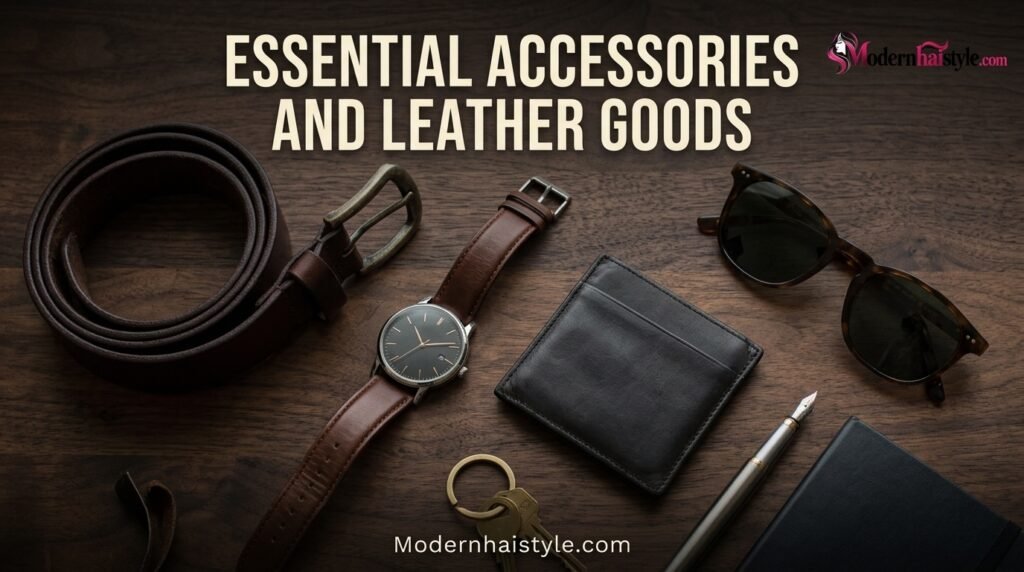
13. Belts, Watches, and Practical Accessories
Accessories can make simple outfits feel more considered without adding many garments. However, a capsule wardrobe does not require every possible accessory.
A basic accessory selection may include:
- One everyday belt that works with your usual trousers.
- A watch, if you like wearing one.
- Sunglasses suited to your needs and local conditions.
- A scarf or warm hat when your climate requires it.
- A tie and other formal accessories if your work or events call for them.
- A practical bag for commuting, study, or travel.
Match accessories to your lifestyle rather than buying them to complete an arbitrary checklist. For example, a tie is useful for formal settings but unnecessary for a man who never attends events requiring one.
14. Underwear, Socks, and Gym Clothing
Everyday basics are often excluded from capsule wardrobe counts, but they still affect how well the system works. Underwear, socks, and workout clothing should be sufficient for your laundry schedule and activities.
Choose comfortable materials, appropriate sizing, and suitable moisture management for your needs. Socks should also match the footwear and occasions for which you intend to use them.
Gym clothing, work uniforms, and specialized sportswear may belong in separate categories because they serve different purposes. Keeping them separate makes it easier to evaluate your everyday wardrobe without overlooking practical necessities.
How Many Pieces Should a Men’s Capsule Wardrobe Have?
A Compact Capsule: Approximately 10–15 Pieces
A compact capsule can suit people who prefer minimal clothing, travel frequently, or already have a predictable routine. However, a count this small may exclude underwear, socks, gym clothes, formalwear, and weather-specific equipment.
A compact collection might include several tops, two or three bottoms, one layer, one jacket, and a small footwear selection. The exact mix depends on how often you need formal clothing and whether you can rewear garments comfortably between washes.
The main advantage is simplicity. The main limitation is reduced flexibility when weather changes, laundry is delayed, or your activities require different dress codes.
A Standard Capsule: Approximately 20–30 Pieces
A standard capsule can provide more variety while keeping the wardrobe manageable. It may include everyday tops, shirts, trousers, knitwear, outerwear, and a few different footwear options.
This range works as a planning example, not a universal standard. Some men will need fewer pieces because they work remotely or live in a mild climate. Others will need more because they attend formal events, exercise frequently, or experience large seasonal changes.
An Expanded Capsule: Approximately 30–40 Pieces
An expanded capsule can be useful when you need clothing for several distinct settings. It may include separate workwear, casualwear, weather-specific layers, and formal pieces.
The benefit is greater coverage across occasions. The trade-off is that more garments require additional storage, maintenance, and decision-making.
Comparing Capsule Sizes
| Capsule size | Best suited to | Main benefit | Main limitation |
|---|---|---|---|
| Compact | Minimalists and frequent travelers | Simplicity and easy packing | Less flexibility |
| Standard | Everyday use with varied activities | Good balance of variety and coordination | Requires careful selection |
| Expanded | Multiple dress codes or seasons | Greater coverage | More storage and maintenance |
The right number is the smallest collection that reliably supports your real life. Track what you wear for a few weeks before deciding that you need more clothes.
How to Choose a Color Palette for a Men’s Capsule Wardrobe
Navy, White, and Gray
This palette works well for a classic wardrobe because its colors coordinate across casual and smart casual outfits. Navy provides a strong base, white creates contrast, and gray offers a flexible neutral.
Example combinations include a white T-shirt with navy chinos, a gray sweater with dark jeans, or a light-blue shirt with charcoal trousers. Brown leather accessories can add warmth without disrupting the palette.
This combination suits many everyday wardrobes, especially when you want clothing that works for different occasions.
Black, Gray, and White
A black, gray, and white palette can create a clean, minimalist appearance. It works particularly well for men who prefer simple outfits, monochromatic combinations, or modern casual clothing.
However, this palette may not suit everyone equally. Some people prefer warmer shades, while others find that navy or brown offers more flexibility with their existing wardrobe.
Use different fabrics and silhouettes to prevent the outfits from appearing identical. A textured sweater, structured jacket, or different trouser cut can create variety without adding more colors.
Olive, Brown, Cream, and Navy
Earth tones can create a relaxed, outdoors-inspired wardrobe. Olive works well with cream, white, denim, navy, and several shades of brown.
This palette suits casual clothing, overshirts, knitwear, chinos, boots, and seasonal jackets. It can also be adapted to smart casual settings through cleaner silhouettes and well-fitted trousers.
Choose shades that complement your existing clothing rather than buying every color in the palette at once.
How to Add Accent Colors
Accent colors introduce variety without requiring a complete wardrobe change. Burgundy, forest green, muted blue, and rust can work well when they complement your base colors.
Start with one accent item, such as a sweater, polo, or casual shirt. Check that it coordinates with several existing bottoms before buying additional pieces in that color.
A practical rule is to keep most purchases within your core palette and use accent colors selectively. This preserves versatility while allowing personal style to show.
How to Build a Men’s Capsule Wardrobe Step by Step
Step 1: Audit Your Existing Clothes
Begin by reviewing what you already own. You may have enough useful clothing to build most of your capsule without purchasing anything new.
Sort garments into four groups:
- Keep: Items that fit, work with your style, and are worn regularly.
- Repair or tailor: Items that are useful but need minor fixes or adjustments.
- Review: Items you rarely wear but may need for special occasions or particular weather.
- Remove: Items that no longer fit your needs and have no realistic purpose in your wardrobe.
Avoid discarding clothing simply because it does not fit a minimalist ideal. Formalwear, specialist clothing, and sentimental pieces may serve a legitimate purpose outside your everyday capsule.
Step 2: Identify Your Lifestyle
List the situations your clothing must support. Consider work, study, weekends, travel, exercise, social events, and local weather.
A remote worker may need comfortable basics and a few presentable shirts for meetings. Someone working in a traditional office may need tailored trousers, formal shoes, and a blazer. A student may prioritize casual clothing, layering pieces, and comfortable footwear.
This assessment prevents you from buying a generic checklist that does not suit your daily life.
Step 3: Select Your Core Colors
Choose a base palette that coordinates with the garments you plan to keep. If most of your existing clothing is navy, gray, and white, buying several bright-colored trousers may create unnecessary coordination problems.
Select new colors gradually. Test each one against your usual tops, bottoms, shoes, and jackets before committing to additional purchases.
Step 4: Identify Missing Essentials
Compare your existing wardrobe with the checklist in this guide. Look for gaps rather than buying every suggested item.
For example, you may already own enough T-shirts and jeans but lack suitable shoes for work. In that case, appropriate footwear may be a higher priority than another casual shirt.
Write a short shopping list and rank items according to use frequency, necessity, and budget.
Step 5: Set a Realistic Budget
Decide how much you can comfortably spend without creating financial pressure. Divide the budget among the categories you genuinely need, leaving room for necessary alterations or replacements.
You do not need to buy an entire capsule in one shopping trip. Buying gradually lets you test fit, comfort, and compatibility before committing to more items.
Consider secondhand options where condition and fit make sense. Check return policies, sizing information, and care requirements before purchasing online.
Step 6: Test Outfit Combinations
Before buying an item, try it with your existing clothing. A garment that looks good by itself may be less useful if it clashes with your usual colors or requires shoes you do not own.
Try building outfits around common situations, such as a workday, casual weekend, dinner, and travel day. Photograph combinations you like so you can remember them and identify gaps more easily.
If an item only works with one outfit, ask whether that limited use justifies the cost and storage space.
Step 7: Review the Wardrobe Regularly
A capsule wardrobe should change when your life changes. A new job, different climate, change in activity level, or shift in personal style may alter which items are useful.
Review your wardrobe periodically rather than replacing everything each season. Remove genuine gaps from your shopping list, repair suitable garments, and replace worn essentials when necessary.
This process keeps the collection functional without turning wardrobe management into a constant shopping project.
Men’s Capsule Wardrobe Essentials on a Budget
What to Buy First
When money is limited, prioritize garments that solve immediate needs and work with clothing you already own. You do not need to purchase every category at once.
A sensible buying order is:
- Replace essential items that are damaged, uncomfortable, or unsuitable for your daily needs.
- Fill the most important gap in your work or everyday wardrobe.
- Add versatile tops and bottoms that coordinate with existing pieces.
- Buy appropriate footwear if your current shoes limit your outfit options.
- Add weather-specific clothing and occasional formalwear as required.
The best buying order depends on your situation. If your shoes are uncomfortable or unsuitable for commuting, replacing them may be more important than buying additional clothing.
Affordable Basics Versus Investment Pieces
| Category | What to prioritize | When spending more may help |
|---|---|---|
| T-shirts | Fit, comfort, fabric, shape retention | If you wear them frequently and the better option performs well |
| Jeans | Comfortable fit, construction, useful wash | If you need durable everyday denim |
| Shirts | Fit, versatility, easy care | If you wear them regularly for work |
| Knitwear | Comfort, suitable warmth, care requirements | If the garment fills an important seasonal role |
| Shoes | Fit, comfort, intended use, construction | If the shoes receive frequent use |
| Outerwear | Weather protection, warmth, durability | If the climate demands reliable protection |
| Accessories | Practicality and compatibility | If a specific accessory serves a frequent need |
An affordable garment can be an excellent purchase when it fits well and serves its purpose. Conversely, an expensive item can be poor value if you rarely wear it or find it uncomfortable.
Calculate Cost Per Wear
Cost per wear is a simple way to compare purchases based on how often you expect to use them.
Formula:
Cost per wear = purchase price ÷ number of wears
For example, suppose a jacket costs $120 and you wear it 120 times. Its cost per wear is $1. If another jacket costs $60 but you wear it only 15 times, its cost per wear is $4.
These numbers are hypothetical, not a prediction of actual garment lifespan. The comparison shows why purchase price alone does not tell the full story.
Consider expected use, fit, care, repairability, and your available budget together. Do not buy an expensive item merely because it might become cheaper per wear; it still needs to meet a real need.
When to Buy Secondhand
Secondhand clothing can be useful for denim, jackets, knitwear, and some tailoring when the item is in suitable condition. It may also help you try a style without paying full retail price.
Check seams, zippers, buttons, stains, odors, fabric wear, and alteration possibilities. For shoes, inspect the soles, lining, structural condition, and comfort.
A low price is not a saving if the item requires costly repairs or never gets worn. Evaluate secondhand clothing using the same fit and usefulness criteria as new garments.
Men’s Capsule Wardrobe Outfit Combinations
Casual Weekend Outfits
For a relaxed weekend, start with comfortable basics and add a layer when the weather requires it.
| Outfit | Top | Bottom | Layer | Shoes |
|---|---|---|---|---|
| Everyday casual | White T-shirt | Dark jeans | Denim jacket | White sneakers |
| Relaxed neutral | Gray T-shirt | Olive chinos | Overshirt | Casual sneakers |
| Cool-weather casual | Crewneck sweater | Dark jeans | Casual coat | Boots |
| Warm-weather casual | Light polo | Chinos or shorts | Optional overshirt | Sneakers or loafers |
These combinations are starting points, not rigid rules. Adjust colors, fits, and footwear according to your preferences and the setting.
Smart-Casual Outfits
Smart casual generally combines relaxed pieces with cleaner, more structured garments. The exact expectations vary by workplace, restaurant, event, and location.
A light-blue Oxford shirt with navy chinos and loafers can create a polished everyday outfit. Dark jeans, a fine-gauge sweater, and a structured jacket may work in less formal settings.
Avoid assuming that one smart-casual outfit is suitable for every occasion. Check the dress code before attending an event, especially when the invitation specifies business casual, cocktail attire, or formalwear.
Business-Casual Outfits
A business-casual capsule may include Oxford shirts, chinos, tailored trousers, knitwear, a blazer, and appropriate shoes. The balance depends on your employer’s expectations.
| Situation | Suggested combination |
|---|---|
| Regular office day | Oxford shirt, chinos, loafers |
| Meeting | Shirt, tailored trousers, blazer, dress shoes |
| Casual office | Plain T-shirt or polo, chinos, clean sneakers if permitted |
| Cooler day | Button-down shirt, sweater, tailored trousers |
| Business travel | Wrinkle-conscious shirt, versatile trousers, comfortable smart shoes |
Use your workplace dress code as the deciding factor. Some offices accept clean sneakers and polos, while others expect dress shoes and collared shirts.
Date-Night and Dinner Outfits
A date-night outfit does not require a completely separate wardrobe. Dark jeans, a well-fitting shirt, clean shoes, and a suitable jacket can cover many relaxed settings.
For a slightly dressier look, try a fine-gauge sweater with tailored trousers or an Oxford shirt with chinos. Loafers or appropriate dress shoes may help make the outfit feel more polished.
Choose clothing that fits comfortably and suits the venue. The aim is to look considered without wearing something that feels unnatural for your personal style.
Travel and Airport Outfits
Travel clothing should prioritize comfort, layers, and coordination. A T-shirt, comfortable trousers, an overshirt or sweater, and suitable walking shoes can be useful for many journeys.
Choose garments that work together so you can create additional outfits without packing separate clothing for every day. A neutral outer layer can often be worn with several shirts and bottoms.
For longer trips, check weather forecasts, luggage limits, planned activities, and access to laundry. These practical details determine what you need more accurately than a universal packing list.
How to Create More Outfits With Fewer Clothes
Outfit variety comes from combining compatible pieces, not simply increasing wardrobe size. A limited group of tops, bottoms, and layers can create many combinations, although not every theoretical combination will look appropriate.
For example, three tops and two trousers create six possible top-and-bottom pairings before adding layers or footwear. If some combinations clash or suit different occasions, the number of practical outfits will be smaller.
Use a simple outfit matrix to identify compatible combinations. This can also reveal when you own too many similar garments or lack one useful item that would connect several outfits.
Best Fabrics for Men’s Wardrobe Essentials
Cotton and Cotton Blends
Cotton is widely used in T-shirts, shirts, sweatshirts, chinos, and other everyday garments. It can feel comfortable against the skin, but its performance depends on fabric construction, weight, finish, and garment design.
Cotton blends may add stretch, affect drying time, or change the garment’s feel. Check the actual fiber composition and care instructions rather than assuming all cotton clothing behaves identically.
Denim and Cotton Twill
Denim is commonly used for jeans and jackets, while cotton twill appears in many chinos and casual trousers. Both can suit a versatile wardrobe, but their weight and construction affect comfort and appearance.
Consider the climate and intended use before choosing heavier fabrics. A garment that works well in cold weather may feel uncomfortable during a hot summer.
Linen for Warm Weather
Linen is often selected for warm-weather shirts and trousers because it can provide a light, breathable feel. It also wrinkles readily, which may be part of its relaxed appearance or a drawback depending on your preferences.
Linen blends may alter the texture, drape, and care requirements. Read the garment label and choose a fabric that suits your tolerance for wrinkles and maintenance.
Merino Wool and Other Wool Fabrics
Wool and merino wool are used in sweaters, base layers, suits, and other garments. Their comfort, warmth, and care requirements vary according to the fiber, yarn, fabric construction, and garment design.
Fine-gauge merino knitwear may work for layering, while heavier wool garments may be better for colder conditions. Some items require gentle washing or specialized care, so check the manufacturer’s instructions.
Leather, Suede, and Canvas Footwear
Leather, suede, and canvas each serve different footwear needs. Leather can work well for sneakers, loafers, and boots, while canvas is common in casual sneakers.
Suede has a distinct texture but may require additional care in wet or dirty conditions. Choose footwear according to comfort, construction, climate, and intended use rather than appearance alone.
Men’s Capsule Wardrobe Essentials for Every Season
Spring Essentials
Spring often calls for adaptable layers because temperatures can change during the day. A T-shirt, Oxford shirt, lightweight sweater, and casual jacket can provide useful combinations.
Chinos, jeans, sneakers, and a weather-appropriate outer layer may cover many spring activities. In wetter climates, a suitable rain jacket can be more valuable than an additional fashion jacket.
Summer Essentials
Summer clothing should reflect temperature, humidity, activity, and local dress codes. Lightweight T-shirts, breathable shirts, shorts, chinos, and suitable sneakers or loafers can form a practical foundation.
Linen and lightweight cotton may be useful in warm weather, although fabric construction and fit still affect comfort. Select colors you enjoy wearing and that coordinate with your existing shoes and layers.
Do not assume every man needs shorts or linen shirts. If you work in a formal environment or prefer long trousers, prioritize the garments you will actually use.
Fall Essentials
Fall is a useful season for layering. Overshirts, sweaters, jeans, chinos, and a versatile jacket can create outfits for changing temperatures.
A darker or earth-tone palette may complement common fall clothing, but your existing colors should guide purchases. Boots may be useful when the weather becomes colder or wetter.
Avoid buying a new wardrobe simply because the season changes. Review the garments you already own and add only the layers that fill a practical gap.
Winter Essentials
Winter needs vary widely across the United States. A mild coastal winter may require a medium-weight coat, while colder regions may require insulation, warm layers, weather-resistant footwear, and suitable accessories.
A useful cold-weather system includes a comfortable base layer when needed, a sweater or fleece, an outer layer, and footwear appropriate for the conditions. Make sure your clothing allows movement and accommodates the layers you intend to wear.
Follow care instructions for wool, leather, and other materials. Proper drying and storage can help keep seasonal garments ready for the next cold period.
Year-Round Versus Seasonal Items
| Item type | Usually year-round? | When to adjust |
|---|---|---|
| Basic T-shirts | Often | Change fabric weight for climate |
| Oxford shirts | Often | Use lighter fabrics in hot weather |
| Jeans | Often | Choose lighter trousers in high heat |
| Chinos | Often | Adjust fabric and color to season |
| Knitwear | Climate-dependent | Add or remove according to temperature |
| Lightweight jacket | Often useful in transitions | Replace or supplement in extreme weather |
| Winter coat | Seasonal in many climates | Essential where cold conditions require it |
| Shorts | Climate and lifestyle-dependent | Useful in warm weather or casual settings |
| Sneakers | Often | Choose weather-appropriate footwear |
| Boots | Climate and occasion-dependent | Useful in cold, wet, or dressier settings |
How to Adapt a Capsule Wardrobe to Your Lifestyle
Business-Casual Capsule Wardrobe
A business-casual wardrobe should reflect your actual workplace rules. Start with shirts, chinos or tailored trousers, suitable shoes, and a layer that works for meetings or cooler offices.
A blazer may be useful if your job includes client meetings or presentations. If your office is more relaxed, polos and clean sneakers may be acceptable, but confirm the dress code rather than assuming.
Casual and Minimalist Capsule Wardrobe
A casual minimalist wardrobe may focus on T-shirts, jeans, chinos, simple knitwear, sneakers, and one or two jackets. It can work well when your everyday activities rarely require formal clothing.
The challenge is ensuring that the reduced collection still meets practical needs. Consider laundry frequency, weather, social occasions, and how often you want to repeat outfits before cutting the wardrobe too aggressively.
Student Capsule Wardrobe
Students often benefit from versatile, comfortable, budget-conscious clothing. T-shirts, casual shirts, jeans, chinos, a hoodie or sweater, a jacket, and comfortable shoes can support classes, study sessions, and casual activities.
If you attend presentations, internships, or formal events, add a shirt and suitable trousers or shoes. Avoid spending money on formal pieces you will never use, but don’t overlook requirements associated with your course or future work.
Travel Capsule Wardrobe
A travel capsule should be built around the trip rather than a fixed universal item count. Consider the destination, expected weather, trip length, planned activities, laundry access, and luggage restrictions.
Choose tops and bottoms that work together, then add layers for the forecast. Wear bulky footwear during travel when practical and pack specialized items only when the itinerary requires them.
Capsule Wardrobe for Remote Workers
Remote workers may prioritize comfortable everyday clothes, presentable tops for video calls, and a few outfits for meetings or occasional office visits. The right balance depends on how often you leave home for work.
Do not build a wardrobe around video-call clothing alone. Everyday comfort, errands, social activities, and weather still matter.
Capsule Wardrobe for Special Occasions
Formal events often require clothing that does not belong in a daily capsule. A suit, formal shoes, a dress shirt, and appropriate accessories may be necessary for weddings, interviews, or professional events.
These pieces can remain part of your wider wardrobe without being counted as everyday essentials. Their value depends on how often you need them and whether renting, borrowing, or purchasing makes the most sense.
How Men’s Clothing Should Fit
T-Shirt and Shirt Fit
T-shirts and shirts should fit comfortably at the shoulders and chest without excessive pulling. Sleeves should allow movement, and the body length should suit your preferred tucked or untucked style.
Avoid relying solely on labels such as slim, regular, or relaxed. Sizing varies between brands, so compare actual measurements and try garments where possible.
Jeans and Trouser Fit
Trousers should sit comfortably at the waist and allow movement through the hips and thighs. The rise, leg shape, and hem length all affect the final appearance.
A trouser hem may look different with sneakers than with dress shoes. Try the garment with the footwear you expect to wear before deciding whether its length is right.
Blazer and Jacket Fit
Shoulder fit is particularly important in structured jackets because alterations can be more complicated than adjusting a trouser hem. Check that the shoulders sit naturally and the jacket allows comfortable movement when buttoned.
Consider the layers you plan to wear beneath it. A jacket that fits a thin shirt may feel restrictive over a sweater.
Choosing Versatile Shoes
Shoes should match the activities for which you buy them. Everyday sneakers need comfort and suitable construction, while dress shoes must suit the formality of your clothing and event.
Check sizing, foot width, arch comfort, and the sole’s intended use. A stylish shoe that causes discomfort is unlikely to become a reliable wardrobe essential.
Common Men’s Capsule Wardrobe Mistakes
Buying Clothes Before Choosing a Palette
Purchasing individual garments without considering your existing colors can create a wardrobe full of isolated pieces. Before buying, check whether the garment coordinates with several items you already wear.
Choosing Trends Over Personal Use
Trendy clothing can be enjoyable, but it should not displace practical essentials when your budget is limited. Consider how frequently you will wear a trend-driven item and whether it suits your regular activities.
Buying Too Many Similar Items
Owning five nearly identical shirts may add little variety if your wardrobe lacks suitable trousers or outerwear. Identify gaps first, then purchase items that expand your useful outfit combinations.
Ignoring Fit and Comfort
Clothing that pulls, restricts movement, or feels uncomfortable is likely to remain unworn. Try garments when possible and review the return policy when shopping online.
Spending Too Much on Unnecessary Upgrades
A capsule wardrobe is not a competition to own the most expensive basics. Upgrade items when a meaningful improvement in fit, comfort, function, or durability justifies the cost.
Following a Fixed Item Count
A small wardrobe is not automatically better than a larger one. The correct size depends on your activities, climate, laundry routine, and the number of dress codes you need to cover.
Forgetting Garment Care
Clothing can lose its shape, color, or usefulness when washed or stored incorrectly. Follow care labels, repair minor damage when practical, and store seasonal garments appropriately.
How to Maintain and Update Your Capsule Wardrobe
Clothing Care and Storage
Read care labels before washing or drying garments. Different fibers and constructions can require different temperatures, drying methods, ironing settings, and cleaning procedures.
Store knitwear in a way that supports its shape, keep footwear clean and dry, and protect seasonal clothing from moisture and pests. These simple habits can help garments remain usable for longer, although actual lifespan varies by construction, frequency of wear, and care.
Repairing, Tailoring, and Replacing Items
A loose button, small seam issue, or trouser hem may be repairable. Compare repair costs with the garment’s condition, fit, and likely future use before deciding whether to replace it.
Replace items when they no longer meet your needs or cannot reasonably be repaired. Do not discard useful clothing solely because it is no longer fashionable.
Seasonal Wardrobe Reviews
At the beginning of a new season, identify which garments remain suitable and which ones need attention. Store clean seasonal items appropriately and keep frequently used pieces accessible.
Review your shopping list before buying anything. You may already have a suitable jacket, sweater, or pair of trousers that simply needs repair, cleaning, or better coordination with your other clothes.
Men’s Capsule Wardrobe Essentials FAQs
What are the most important men’s capsule wardrobe essentials?
The most useful essentials often include basic T-shirts, versatile shirts, jeans, chinos, knitwear, a suitable jacket, comfortable sneakers, and appropriate dressier shoes. The exact selection depends on your lifestyle, climate, and dress code.
How many clothes should a man own?
There is no universal ideal number. A compact capsule may contain around 10–15 core pieces, while a standard or expanded collection may contain 20–40 or more, depending on what you count and which activities you need to support.
Can you build a capsule wardrobe with 10 items?
Yes, if you have a simple routine and count only selected outer garments. A ten-item wardrobe may not cover formalwear, specialized clothing, weather extremes, or laundry needs, so define what is included before setting the limit.
What is the best color palette for a men’s capsule wardrobe?
Navy, white, gray, black, olive, cream, and brown can provide versatile options. Choose two or three base colors that complement your existing clothing, then add secondary or accent colors where useful.
What should a man buy first?
Start by replacing damaged essentials and filling the most important gap in your wardrobe. Everyday tops, suitable trousers, comfortable shoes, and climate-appropriate outerwear often deserve attention before optional accessories or trend-driven items.
Are jeans essential in a capsule wardrobe?
Jeans are useful for many casual wardrobes, but they are not compulsory. If you prefer chinos, tailored trousers, or other bottoms, build the capsule around the clothing you actually wear.
How many pairs of shoes should a man own?
The number depends on lifestyle and dress code. A casual wardrobe may need everyday sneakers and a second suitable pair, while professional or formal settings may require dress shoes, boots, or weather-specific footwear.
How much does a men’s capsule wardrobe cost?
The cost varies with your existing wardrobe, selected brands, garment quality, and local prices. Build a shopping list first, price the missing items, and buy gradually rather than assuming you must purchase a complete collection at once.
How can I build a men’s capsule wardrobe on a budget?
Audit your current clothing, prioritize missing essentials, choose compatible colors, and buy gradually. Compare fabric, fit, construction, return policies, and expected use instead of judging a garment solely by its price.
Is a capsule wardrobe the same as a minimalist wardrobe?
They overlap, but they are not identical. A capsule wardrobe focuses on coordinated clothing, while minimalism is a broader approach to owning and using fewer possessions.
What fabrics are best for men’s everyday clothing?
Cotton is common for everyday shirts, denim for jeans, linen for warm-weather garments, and wool or merino wool for selected layers. The best choice depends on comfort, climate, fabric construction, care requirements, and intended use.
Does every man need a blazer?
No. A blazer is useful for some workplaces, dinners, and smart casual events, but it may be unnecessary for a lifestyle dominated by casual clothing. Consider your actual dress-code needs before purchasing one.
What shoes work best with a capsule wardrobe?
Simple sneakers, loafers, boots, or dress shoes can each serve different purposes. Choose footwear based on comfort, climate, activity, and formality rather than assuming one pair can cover every situation.
How do I stop a capsule wardrobe from looking boring?
Vary textures, garment shapes, layers, and accessories while keeping a compatible color palette. A different knit, jacket, trouser cut, or shoe style can create variety without requiring a large collection.
How often should I update my capsule wardrobe?
Review it when seasons change or your lifestyle shifts, then replace items as needed. There is no requirement to purchase new clothing every season; useful garments can remain in your wardrobe as long as they fit your needs and condition.
Can a capsule wardrobe work for business casual?
Yes. Shirts, chinos, tailored trousers, knitwear, suitable shoes, and a blazer can support many business-casual settings. Confirm your workplace’s expectations because the term can mean different things across organizations.
What should I remove from my wardrobe first?
Start with damaged items that cannot reasonably be repaired, garments that no longer fit your needs, and clothing you consistently avoid wearing. Keep specialized or formal items when they serve a real purpose, even if you use them infrequently.
Is secondhand clothing suitable for a capsule wardrobe?
Yes, when the item fits, is in good condition, and works with your existing clothes. Inspect seams, fabric wear, stains, footwear condition, and possible repair costs before buying.
How do I create more outfits with fewer clothes?
Choose compatible tops, bottoms, and layers, then test combinations for different occasions. Three tops and two trousers create six theoretical top-and-bottom combinations, although only some may suit your style and dress code.
Should I buy all my capsule wardrobe essentials at once?
Usually not. Buying gradually lets you test fit, comfort, quality, and outfit compatibility while protecting your budget. Purchase the items that solve your biggest wardrobe gaps first.
Final Checklist for Building a Men’s Capsule Wardrobe
Use this checklist before your next shopping trip.
- Audit the clothing you already own.
- Identify the activities and dress codes your wardrobe must support.
- Choose two or three compatible base colors.
- Check whether you have enough everyday tops.
- Review jeans, chinos, and other suitable trousers.
- Identify the knitwear and outerwear required for your climate.
- Check that your footwear covers everyday and necessary formal occasions.
- Evaluate fit, comfort, fabric, construction, and care requirements.
- List only the items that fill genuine gaps.
- Set a realistic budget and prioritize purchases.
- Test new garments against several existing pieces.
- Review and maintain your wardrobe as your needs change.
A successful men’s capsule wardrobe is not defined by a particular brand, price, or item count. It is a practical collection of clothing that fits comfortably, coordinates easily, and supports your everyday life. Start with what you already own, fill the gaps that matter most, and build the rest gradually.


1 thought on “Mens Capsule Wardrobe Essentials: The Complete Checklist”