If you want a haircut that turns heads without wrecking your morning routine, the straight hair mullet belongs at the top of your list. Clean at the front, textured on top, and longer in the back this cut has shed every bit of its retro baggage and grown into one of the sharpest,
most versatile styles of 2026. Whether you prefer a crisp skin fade or a soft taper, a short crop or a flowing back, there is a straight hair mullet that fits your face shape, lifestyle, and schedule. This guide covers every variation, every styling step, and every conversation you need to have with your barber.
What Is a Straight Hair Mullet?
A straight hair mullet keeps the sides short and controlled, the top shaped with light texture, and the back longer with soft layers. The defining feature is the length contrast: shorter in front, longer in the back. The modern version separates itself from the dated 1980s look through deliberate blending. A smooth fade or taper on the sides removes the harsh jump between lengths, and layers in the back stop the ends from sticking out like a shelf a common problem with straight hair. From the front the cut looks tidy. From the side it flows in a clean, intentional line. Done right, it works Monday through Sunday.
Related Post: Burst Fade Curly Hair 2026: Clean Sides, Big Curls
Why Straight Hair Is Perfect for a Mullet
Straight hair has one major advantage for a mullet: it shows the shape of the cut with total clarity. Every layer, every blend, and every transition line is visible and sharp. This makes the style look intentional rather than accidental. Curly or wavy hair hides structural detail; straight hair puts it on display. The challenge is that without proper layering and point cutting, straight strands can fall flat on top or flip out in the back. The fix is simple: ask your barber for internal layers in the back and texture through the crown. Those two adjustments turn flat hair into a mullet that moves freely all day.
Straight Hair Mullet Variations
Classic Straight Hair Mullet
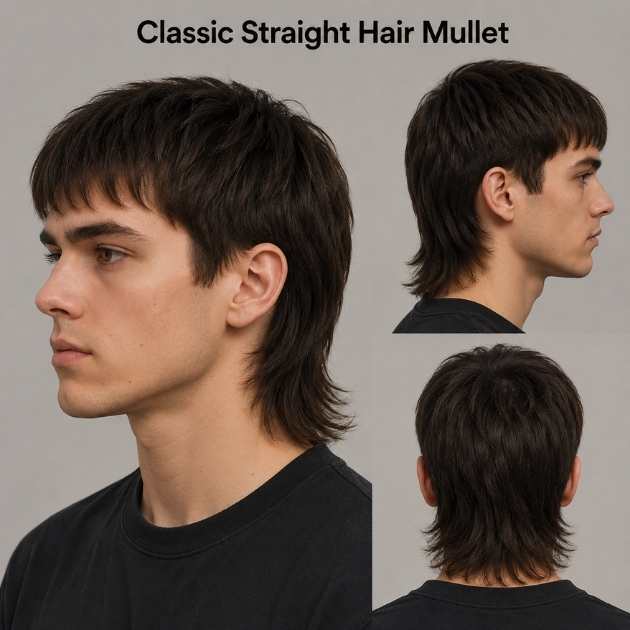
The classic version brings the original silhouette into modern life with cleaner execution. The sides sit short and neat, the top carries gentle texture, and the back reaches near the collar with soft layers to allow natural movement. It is the most approachable option bold enough to stand out, tame enough for most dress codes. This is a smart starting point if you are trying a mullet for the first time.
Modern Straight Hair Mullet
The modern straight hair mullet trades the blunt, heavy shapes of the past for a polished, layered result. The sides stay controlled, the top has two to four inches of styling room, and the back flows with movement rather than weight. A touch of sea salt spray after blow-drying separates the layers and gives a relaxed, lived-in finish that still looks intentional. This is the most requested variation in barbershops right now.
Straight Hair Mullet with Taper Fade
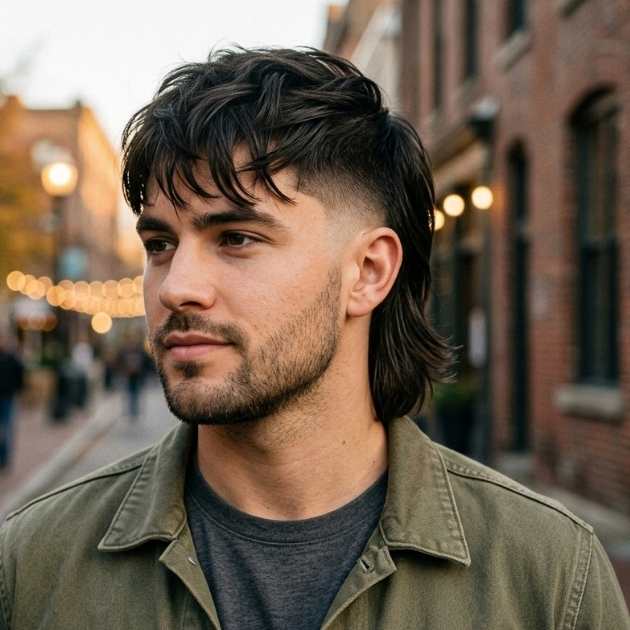
A taper fade blends the sides gradually shorter near the ear and neckline, longer higher up without going all the way to skin. The transition feels soft and natural rather than aggressive. This suits office environments and everyday wear because it looks sharp without demanding constant upkeep. If you want definition without high contrast, the taper fade mullet is the safe, stylish choice.
Low Taper Straight Hair Mullet
The low taper version keeps the fade sitting tight near the ear and neckline. It adds very little contrast, which means the grow-out looks cleaner for longer. This works well for school dress codes, professional settings, and anyone who wants a mullet that will not raise eyebrows in a meeting. A layered back and light matte paste are all you need to finish the look.
Straight Hair Mullet Fade
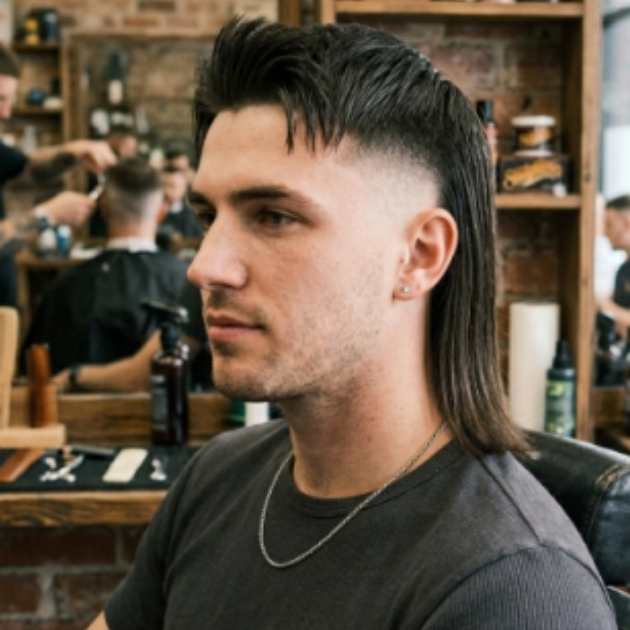
The fade version is sharper and more photo-ready. Sides go from very close near the ear to longer higher up, creating a strong visual contrast with the back. This trims bulk on thick straight hair and carves a clean frame around the face. It is ideal when you want maximum impact with a quick daily routine. The skin or mid fade option both work choose based on how much contrast you want.
Short Straight Hair Mullet
The short version keeps the back modest just long enough to establish the mullet shape without going beyond the collar. The top is textured, the sides are tapered or lightly faded, and the overall shape is easy to maintain and grow out gracefully. Fine-haired guys benefit most here since less length means less weight pulling the style flat. Styling takes two minutes and a small amount of matte clay.
Long Straight Hair Mullet
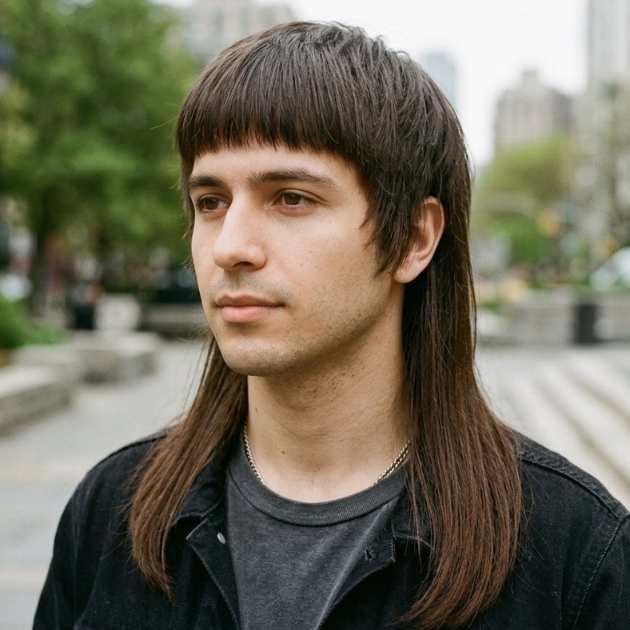
The long straight hair mullet keeps the back near the top of the shoulder while the sides stay clean. Soft layers are non-negotiable here without them, the back will look like a heavy curtain rather than a flowing finish. Use a gentle shampoo, condition the mid-lengths and ends, and add a drop of lightweight hair oil to keep the back smooth and the ends healthy. This version rewards commitment but looks striking when maintained properly.
Layered Straight Hair Mullet
Layers are the engine of any straight hair mullet, but in this variation they are the entire focus. Multiple layers remove weight from the back so the hair moves freely rather than hanging in a single flat sheet. The top gets lift and the back gets flow. This suits medium to thick hair most and pairs naturally with a light beard. Use a vent brush while blow-drying to build the volume in.
Straight Hair Mullet with Fringe or Bangs

Adding a fringe changes the geometry of the cut. It softens a strong hairline, balances long face shapes, and provides a natural frame for the eyes. Keep the fringe short and textured rather than blunt and heavy lighter bangs sit better on straight hair and require far less daily effort. This variation also works as a smart fix if a standard fade leaves too much forehead space.
Straight Hair Shag Mullet
The shag mullet mixes shag-style choppy layers with the classic mullet layout. The crown gets airy texture, the sides stay tidy, and the back keeps its length with a more lived-in, uneven finish. The result is fashion-forward and approachable perfect for streetwear, creative jobs, or anyone who wants a straight hair mullet with a little more personality and edge.
How to Style a Straight Hair Mullet
Good styling comes down to preparation and the right product sequence:
- Towel-dry squeeze gently, never rub. Rubbing creates frizz and disturbs the layer pattern.
- Apply sea salt spray to damp hair and work through from roots to ends for grip and light texture.
- Blow-dry on low heat while lifting the roots with your fingers or a vent brush. High heat flattens straight hair fast.
- Shape the top with a pea-sized amount of matte pomade or light clay. Rub it between your palms before applying.
- Pinch the fringe if you have one and separate any sections that clumped together.
- Run your hands through the back to settle the layers into a soft, natural line.
Total time: three to five minutes once you have the steps down.
Best Products for a Straight Hair Mullet
| Product Type | What It Does | Best For |
| Sea salt spray | Adds grip and texture without shine | All straight hair mullets |
| Matte pomade or clay | Defines top layers, kills flyaways | Thick and medium hair |
| Lightweight hair oil | Smooths and hydrates the back length | Long mullets, dry ends |
| Volumizing mousse | Lifts fine hair at the root | Fine or flat straight hair |
| Texturizing paste | Separates layers for a choppy finish | Shag and layered variations |
Avoid heavy waxes and glossy gels they weigh straight hair down and make the top look greasy by midday.
What to Tell Your Barber for a Straight Hair Mullet
Clear communication at the barber prevents almost every disappointing haircut. Use this as your script:
- “I want a mullet with a [taper / low fade / mid fade] on the sides.”
- “Keep the back longer and add soft layers so it flows rather than sticks out.”
- “Texture the top so it does not go flat.”
- “Here is a photo of the back length I am aiming for.”
Always bring reference photos showing front, side, and back views. If your hair is thick, ask for internal debulking in the back. If it is fine, ask for a shorter back length and extra texture on top so the style holds with minimal product.
Straight Hair Mullet Maintenance Tips
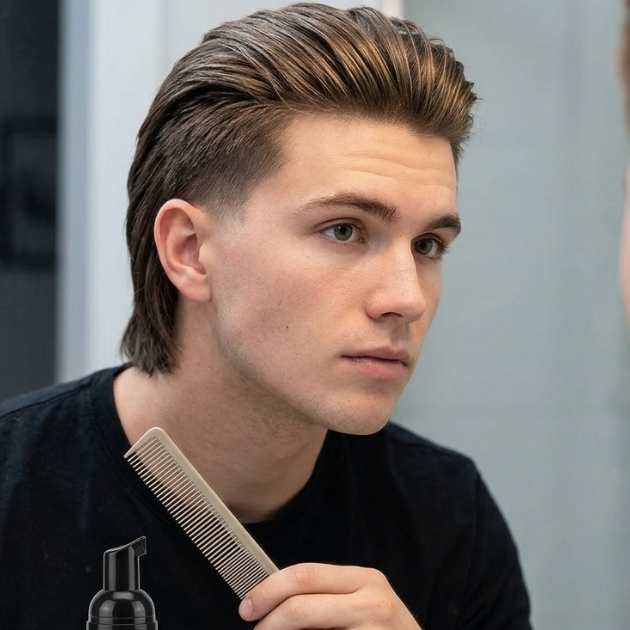
- Trim every four to six weeks the blend between sides and back softens quickly without regular touch-ups.
- Wash two to three times per week with a gentle, sulfate-free shampoo. Daily washing strips the natural oils that keep the back smooth.
- Condition the mid-lengths and ends every wash. The top and sides need very little conditioner.
- Rinse with water on off days and restyle with a light mist of sea salt spray.
- Sleep on a satin or silk pillowcase to reduce friction and keep the back from tangling overnight.
Straight Hair Mullet for Men
Men’s straight hair mullets in 2026 lean toward clean fades, structured tops, and deliberate length in the back. The most popular picks are the mid fade mullet and the low taper mullet because both work across environments gym, office, weekend. Pair with a beard for instant balance. If the beard is short and neat, a mid fade mullet creates great contrast. If the beard is fuller, a taper or low fade keeps the face from looking too busy.
Straight Hair Mullet for Women
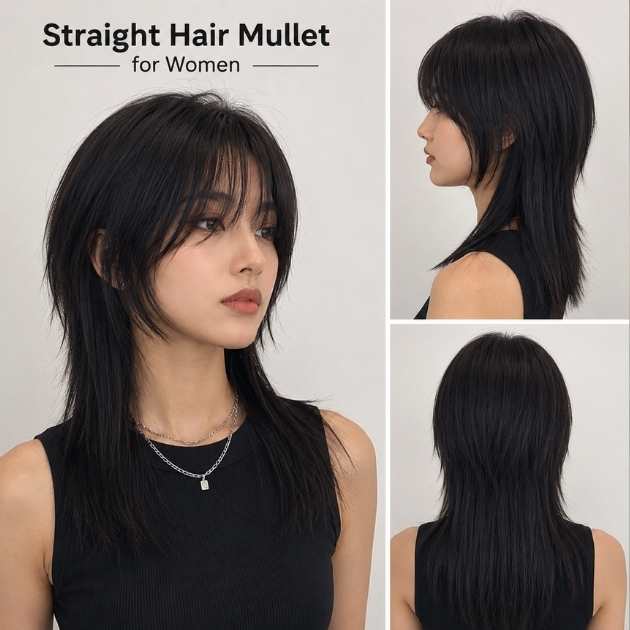
Women are embracing the straight hair mullet for its versatility and edge. The most requested versions include the layered mullet with fringe, the shag mullet, and the long mullet with soft ends. On straight hair, these cuts photograph beautifully because the lines are clean and the layers show clearly. A flat iron or tongs can add bends around the face to shift the mood from editorial to everyday without changing the cut itself. Color highlights or a money piece adds another dimension without extra length.
Straight Hair Mullet for Girls
Younger wearers are drawn to the short straight hair mullet and the fringe mullet because both are low commitment and easy to grow out. These cuts work with school dress codes when kept neat and well-maintained. A simple styling routine light mousse and a quick blow-dry is all that is needed each morning. The shag mullet is also popular among girls who want movement and personality without spending time in front of a mirror every day.
Straight Hair Mullet vs. Wolf Cut
| Feature | Straight Hair Mullet | Wolf Cut |
| Overall shape | Structured; short front, defined longer back | Softer; voluminous crown, fluffy layers throughout |
| Layer placement | Focused contrast between front and back | Layers distributed evenly crown to ends |
| Maintenance | Easier; less upkeep between trims | More frequent styling to maintain volume |
| Best hair type | Straight and wavy | All textures, especially wavy |
| Vibe | Bold, intentional, edgy | Casual, undone, lived-in |
| Fade option | Yes taper or skin fade common | Less common; usually no hard fade |
The simplest way to choose: if you want structure and clear length contrast, go mullet. If you want volume and effortless movement throughout, go wolf cut. Both are strong choices for straight hair in 2026.
Best Face Shapes for a Straight Hair Mullet
| Face Shape | Best Mullet Option | Why It Works |
| Round | Taper fade mullet with height on top | Adds vertical length, reduces width |
| Square | Straight hair mullet with soft taper | Softens angular corners while staying clean |
| Oval | Any variation most styles work | Naturally balanced proportions |
| Long/Oblong | Mullet with fringe or bangs | Shortens the visual length of the face |
| Diamond | Layered mullet with fringe | Balances wide cheekbones with width at forehead |
| Heart | Short or classic mullet with texture | Adds shape lower without volume at the top |
Conclusion
The straight hair mullet has earned its place as one of the defining haircuts of 2026 not through nostalgia, but through genuine versatility. Straight hair is actually one of the best textures for this cut because it puts every line and layer on full display, creating a look that feels deliberate rather than accidental. Whether you choose a bold skin fade, a subtle low taper, a short crop, or a long layered finish, the fundamentals stay the same: keep the sides clean, add texture to the top, and layer the back so it flows rather than flips.
The maintenance is manageable. The styling is fast. And the results speak for themselves across every setting from the office to the weekend. Talk clearly with your barber, bring reference photos, use the right products, and trim on schedule. Do those things consistently and your straight hair mullet will look sharp, clean, and confidently modern every single day.

