Blonde Wig Human Hair: The Shade System, the Stress Test, and the Toning Tax
Blonde wig human hair shopping starts with one fact most listings bury: every blonde unit is bleached hair, lightened from darker hair before it was ever sewn.
That single fact explains the whole category. It explains why blonde tangles sooner, why it drinks toner unevenly, and why it costs more to own than to buy.
It also explains why blonde is the stress test of wig making. Light hair shows knots, lace, stitching, and dryness that dark hair hides completely.
So this page works like a buying system, not a catalog. Shades decoded first, then skin matching, then construction, then the care bill, in that order.
By the end you will know which blonde to buy, which build to buy it in, and what it will ask of you every single week.
What a Blonde Human Hair Wig Actually Is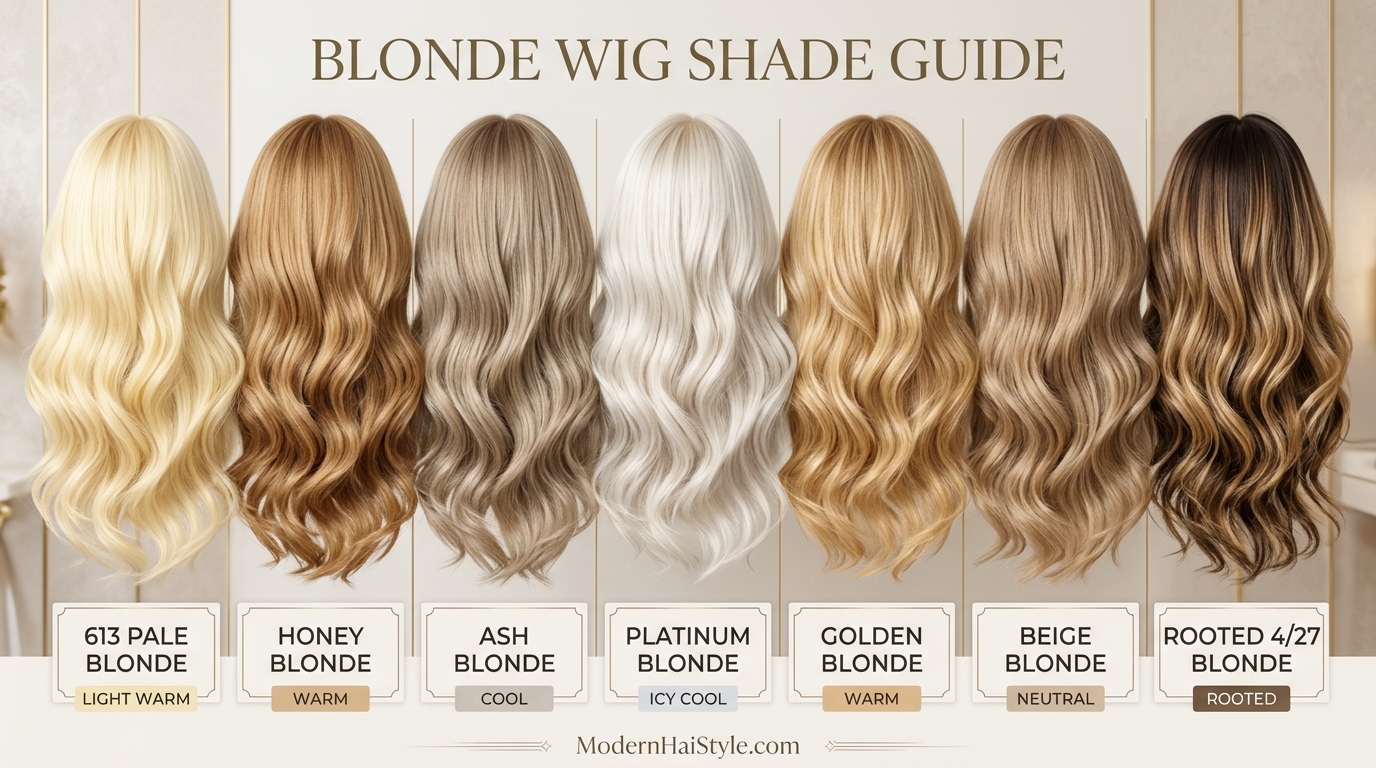
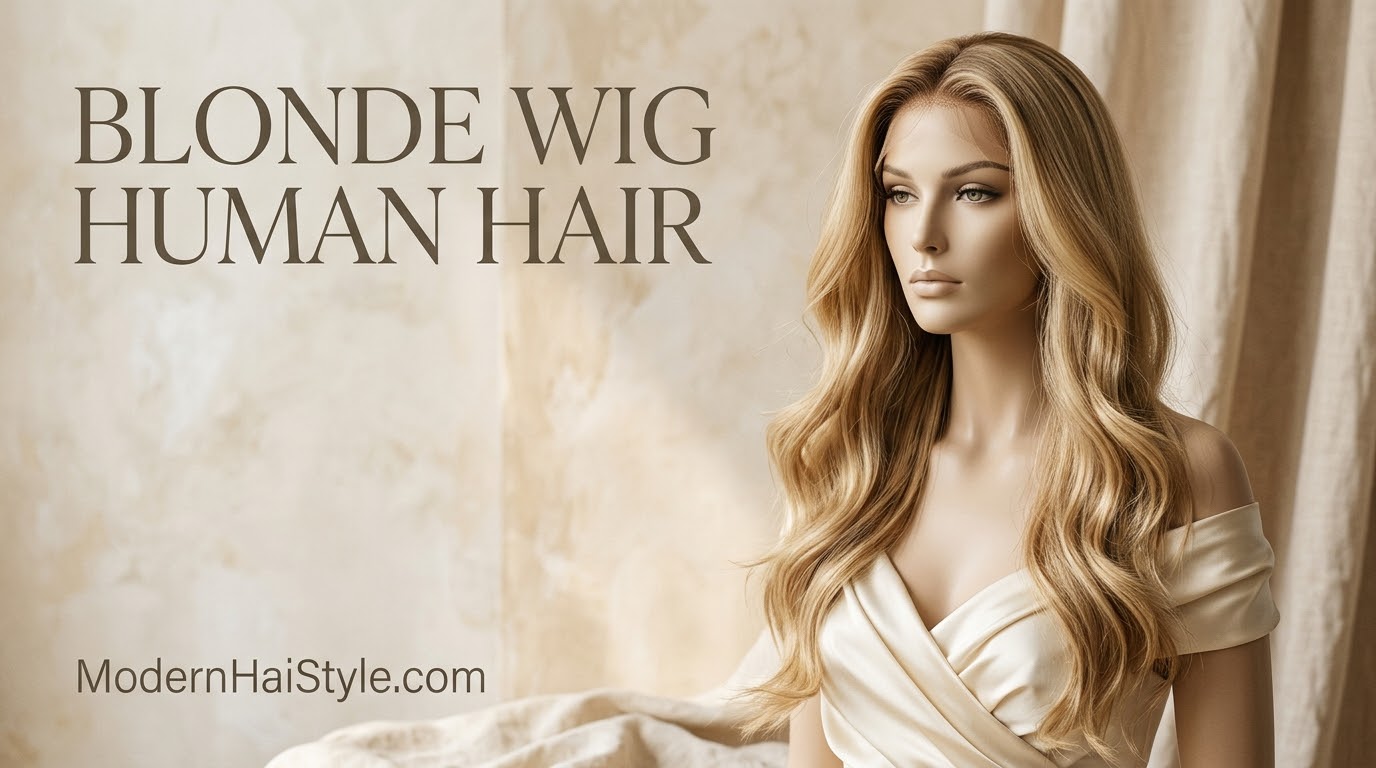
A blonde human hair wig is a wig made from real human hair that has been bleached or dyed into a blonde shade. The hair is human; the color is manufactured.
Manufacturers split the category in two, and the Helene Hair manufacturer guide states the split plainly. Pre dyed wigs arrive in a finished shade, ready to wear as sold.
613 wigs arrive as a bleached blonde base instead. That base is not a finished color; it is the starting canvas for custom toning and dyeing.
Everything else in the category is a variation on those two ideas. Dimension shades marry tones inside the strand, and rooted shades ground the top with depth.
For the base spec sheet underneath every color decision, start with the hair wig guide and the human hair wig guide, which cover cap, density, and length mechanics in full.
The Shade System: Base, Pre Toned, and Dimension
Three kinds of blonde hide under one word, and confusing them is the most expensive mistake in the category. Buyers order a base expecting a shade.
The base is 613, the palest bleached blonde, sold undyed so a colorist can take it anywhere. Silver, rose gold, and pastel all start life here.
The pre toned shades are finished colors: honey, ash, platinum, golden, beige. You wear them as they arrive, with no salon step between box and head.
The dimension mixes add depth on purpose: piano highlights, rooted shades, ombre, and balayage. They exist because one flat tone of blonde reads fake fastest.
|
Code or name |
What it is |
Undertone |
Maintenance load |
|
613 |
Bleached base, palest blonde |
Neutral to cool |
Highest: fragile, tones and fades fast |
|
Honey blonde (27) |
Warm golden with caramel dimension |
Warm |
Low to medium: forgiving, resists yellowing |
|
4/27 |
Honey blonde with a darker rooted mix |
Warm |
Low: roots hide regrowth lines |
|
Ash blonde |
Cool, silvery blonde |
Cool |
High: brassiness patrol required |
|
Platinum |
Icy, almost white blonde |
Cool |
Highest: toning is a standing appointment |
|
Golden blonde (14) |
Warm honey gold |
Warm |
Low: the easy keeper of the family |
|
Beige blonde (12) |
Neutral taupe gold balance |
Neutral |
Medium: stable, fades slowly |
|
Piano (P8/613) |
Darker base melting into honey blonde |
Warm |
Low to medium: dimension is built in |
Read the table as a budget of effort as much as a color chart. The palest rows promise transformation and charge the most upkeep for it.
The warm rows promise believability instead. Most everyday buyers are happier there, even when the pale rows photograph better in listings.
613: The Blank Canvas
Colorists love 613 because it is not a color yet. It is hair lifted to the palest blonde level, waiting for toner to decide what it becomes.
One retailer’s shade page, the UNice honey blonde page, describes it as pale platinum or linen, nearly white, and aimed at dramatic fashion looks. A manufacturer guide calls it light golden instead.
Both descriptions orbit the same hair under different light, which teaches the first 613 lesson. Listing photos lie about pale shades more than any other.
Worn untoned, 613 reads raw and slightly yellow on most heads, because bleached hair carries its undertone on the surface. Most wearers tone it at least once.
That first toning is not a flaw in the product. It is the product: you are buying the right to choose the final shade yourself.
The cost of that freedom is fragility. Bleaching to this level leaves hair dry and porous, the most delicate state any human hair wig ships in.
So 613 suits custom color projects, short rotation fashion wear, and anyone whose stylist is part of the purchase. It punishes daily wear and neglect.
If your plan is to open the box and wear it every day for months, 613 is the wrong starting point, however good the listing looks.
Honey Blonde: The Everyday Shade
Honey blonde is the shade the category sells most for daily wear, and the UNice honey blonde page defines it cleanly: warm golden blonde with hints of caramel and light brown.
Those hints are the whole point. The caramel and brown running through it give honey dimension for free, where flat shades must fake it.
The same retailer’s FAQ draws the contrast buyers actually need. Honey blonde is the everyday shade; 613 is the dramatic one. Choose by calendar, not by photo.
Its code is 27, and the rooted version is 4/27, where a darker base melts into the honey. The roots ground the shade against deeper skin tones.
Honey also forgives. Warm golds resist yellowing and need the least toning of any blonde family, a point the care table below returns to with interest.
On skin, honey flatters the widest range of undertones, because its warmth sits close to how sun lightened hair actually behaves on real heads.
If this is your first blonde and your life is ordinary weeks rather than photoshoots, honey or its rooted mix is the default recommendation here.
Ash and Platinum: The Cool Shades and Their Tax
Ash blonde is the cool, silvery member of the family, and platinum pushes the same direction to an icy near white. Both photograph beautifully.
Both also carry the family’s highest upkeep. Cool tones are a truce with your hair’s warm undertone, and the hair renegotiates the truce constantly.
The visible symptom is brassiness: yellow and orange tones creeping back through the silver within weeks. Every cool blonde owner becomes a toner scheduler.
Heat makes it worse, and so does ordinary washing with the wrong products. Cool blonde is a maintenance subscription disguised as a color choice.
Choose ash or platinum when the look is the point: events, photos, fashion rotation, or a signature style you are willing to service like one.
Skip them for a first everyday unit. Beginners quit blonde entirely over cool shade upkeep that a warm shade would never have charged them.
Dimension Shades: Piano, Rooted, Ombre, Balayage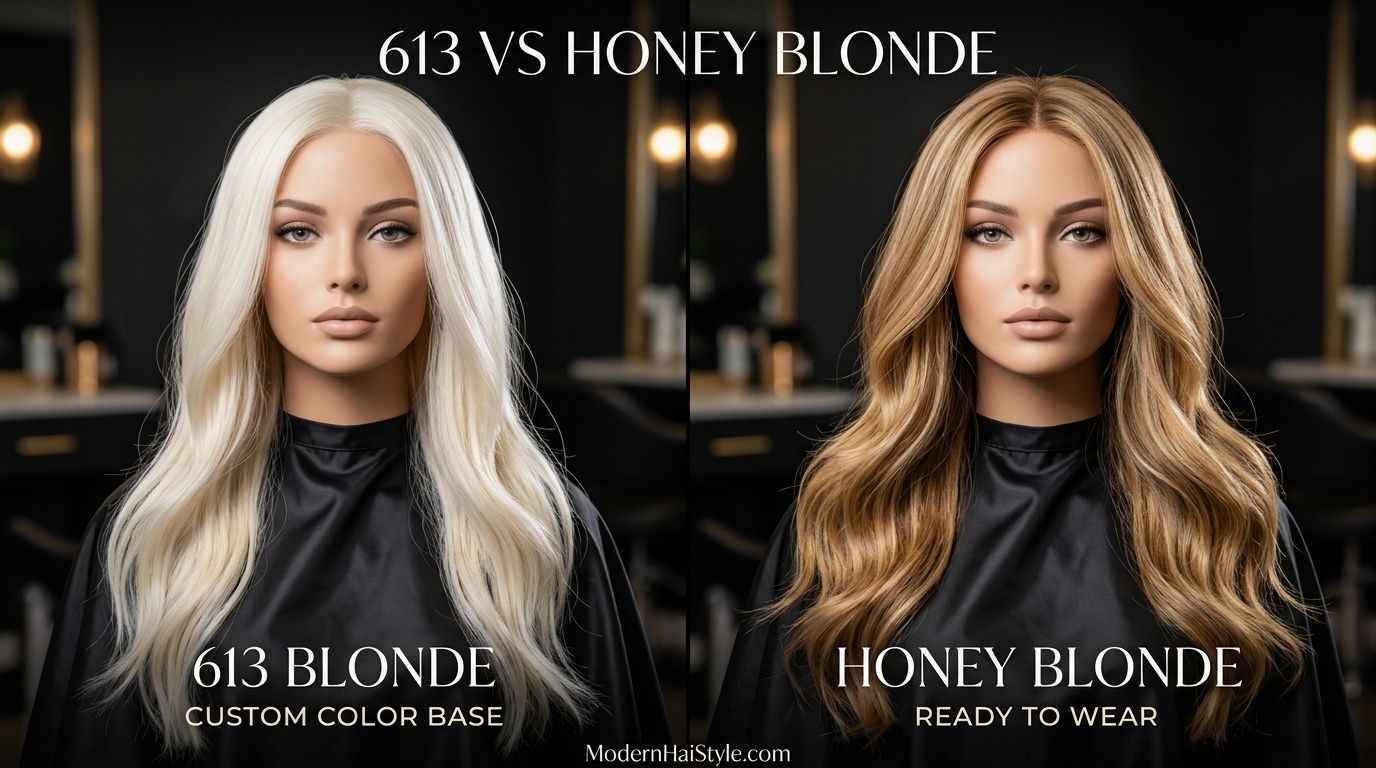
A flat block of one blonde tone is the fastest tell that hair came from a box. Real blonde hair is never one color from root to tip.
Dimension shades build the variation in. Piano color marries a darker base into honey blonde inside the strand, so the highlight reads grown in.
One piano product page makes the contrast explicitly: standard 613 arrives flat and still needs toning or shadowing, while the piano shade carries its depth from the start.
Rooted shades and shadow roots darken the top few inches, which hides the hairline join and mimics regrowth. Ombre pushes the depth further down the length.
Balayage paints the lightness where sun would put it, brighter around the face and ends. All four tricks answer the same problem: believability.
Dimension also buys forgiveness on deeper skin, where a pale flat shade can sit like a helmet. Depth at the root lets the blonde belong to the head.
When two units cost the same and one has dimension, buy dimension. It is the cheapest naturalness upgrade in the entire category.
Match the Shade to Your Skin: The Undertone Method
Blonde shades carry underlying pigments by family: yellow in the golden shades, red in strawberry, blue in ash, violet in platinum, in the standard trade framing.
Your skin has an undertone too, and the match is family to family. Warm skin with golden or honey shades; cool skin with ash or platinum.
Neutral and olive skin take the beige family best, the taupe gold balance that refuses to argue with either direction. Beige is the quiet professional of the set.
The test takes ten seconds in daylight: hold gold and silver jewelry against your wrist. The metal that makes your skin look clearer names your family.
Veins give the second opinion: greenish suggests warm, blue or purple suggests cool, and hard to tell usually means neutral, which is permission, not a problem.
On deeper skin, the method gains one step: choose roots or dimension with your shade, so the pale lengths are framed by depth at the scalp.
Get the family right and even an inexpensive unit reads intentional. Get it wrong and even premium hair reads as costume, which no density can fix.
Blonde Is the Stress Test: Construction That Shows
The manufacturer guide admits what retailers soften: lighter colors reflect more light and make wig flaws more visible. Blonde is an inspection light.
Knots show first. Dark knots against pale hair read as dots along the hairline, so bleached knots or a pre plucked hairline matter more here than in black units.
Lace shows second. HD and transparent lace earn their premium in blonde because they disappear against light skin and pale hairlines where tinted grids would announce themselves.
Stitching and bulk show third. A trade buying guide argues for hand tied construction in blonde for exactly this reason: light colors expose stitching inconsistencies that dark hair forgives.
Density interacts with all of it. Very high density in a pale shade can read as a solid helmet; moderate density lets light through like real fair hair.
So the blonde buying checklist adds two lines the general one lacks. Confirm the knot treatment in writing, and confirm the hair grade claim the same way.
That second line comes from the trade guide’s discipline: Remy should be confirmed in writing, not accepted from a listing badge, because blonde processing punishes blended hair fastest.
Choose the Build: Lace, Density, Length
Lace area decides your parting freedom. 4×4 and 5×5 closures fix one part zone; 13×4 and 13×6 frontals free the whole hairline, at higher cost and care.
The newer 7×5 glueless closures split the difference for beginners: a wide part zone, pre cut lace, and no glue skill required to wear them.
Density has a market verdict worth borrowing: wholesale buyers stock 150 percent most, because it balances price, realism, and styling flexibility, per the manufacturer guide.
In blonde, that verdict strengthens. 180 percent suits long lengths and glam briefs; 200 percent and up reads theatrical in pale shades unless the brief is exactly that.
Lengths run 10 to 30 inches across the category. Bob lengths read most natural in blonde; very long pale hair is a fashion statement and a detangling commitment.
Texture follows your maintenance appetite. Straight shows blonde’s shine and its damage honestly; body wave hides both the flaws and some of the light.
Curly blonde is its own world of moisture and definition, covered in the curly hair wig guide if curl is where your blonde is headed.
If leave out hair tempts you more than lace, the U part wig guide and the V part wig guide cover the two part based alternatives that blend with your own hairline instead.
Glueless or Frontal: The Beginner Fork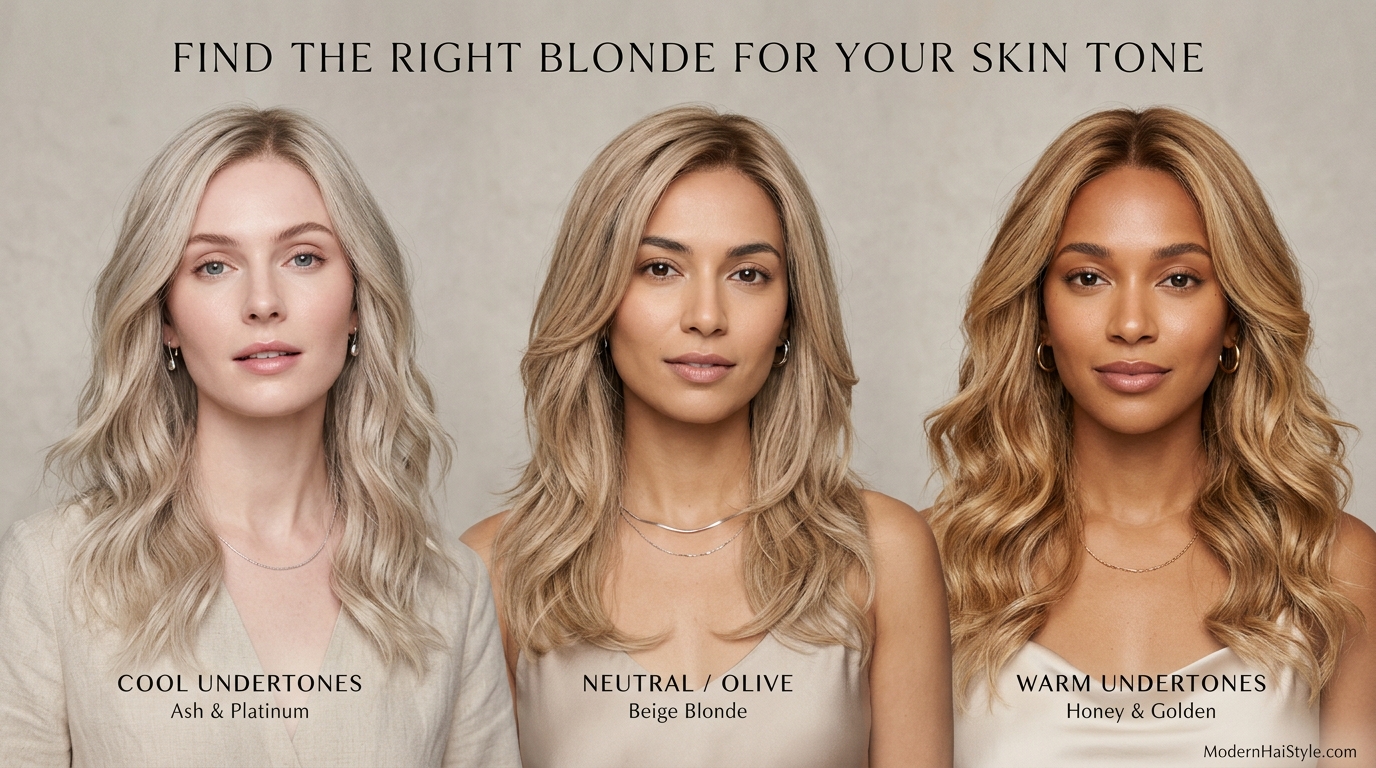
Glueless wear and go builds now ship in every blonde shade, 613, honey, and ash alike, secured with elastic bands and combs instead of adhesive.
For a first blonde, glueless removes the riskiest skill from the purchase: the melt. You learn shade, density, and care before you learn glue.
The test case lives in the Luvme glueless wig guide, where the glueless system is audited piece by piece, bands, combs, and cap included.
Frontals still win on parting freedom and hairline realism for experienced wearers. The fork is skill and styling ambition, not quality.
Decide by your mornings. If the unit must be on in five minutes before work, glueless. If you style for the mirror, frontal.
The Toning Tax: Owning Blonde After the Purchase
Ownership costs arrive on a schedule, and the Alibaba buying guide prints the most useful version of it as a care table. Treat its figures as guide advice, widely repeated, not lab results.
For ash and platinum, the guide prescribes purple shampoo on a monthly rhythm against brassiness, with toner touch ups as the yellow returns.
For 613, it flags the shade as the most fragile, advises keeping direct heat low, around 320 degrees Fahrenheit as its caution line, and suggests protein treatments every two weeks.
For warm golds, the same table relaxes: they resist yellowing and need minimal toning. Beige sits between, stable even in humidity by the guide’s account.
Across all shades, bleached hair wants a protein and moisture rotation, gentle detangling from the ends, and sulfate free washing. Porous hair grabs products and color unevenly.
That uneven grab is why strand tests precede any full toning. Ends are the most porous and will take toner darkest; test there before committing the unit.
Storage is part of the tax too: pale hair fades and yellows in sunlight, so the stand lives away from the window, a detail black units forgive and blonde does not.
Budget the tax honestly before buying pale. If the schedule sounds like a chore you will skip, the shade will bill you in appearance instead.
613 vs Honey Blonde: The Full Decision
This is the comparison the whole category turns on, and most pages answer it in two lines. It deserves the full count on both sides.
|
Question |
613 blonde |
Honey blonde |
|
What arrives |
A bleached base, nearly white |
A finished warm golden shade |
|
First extra step |
Toning, usually before wear |
None: wear it from the box |
|
Best life |
Custom color, fashion, shoots |
Everyday wear, work, school |
|
Skin range |
Needs the right undertone or roots |
Flatters the widest range |
|
Maintenance |
Highest in the category |
Lowest of the true blondes |
|
Fragility |
Most fragile hair sold |
Processed, but far hardier |
|
Custom room |
Total: any color starts here |
Some: tones warmer or deeper |
|
Beginner verdict |
Only with a stylist in the plan |
The default first blonde |
Read down the maintenance and fragility rows before the color rows. Ownership experience is decided there, and it is where returns and regrets are born.
If your heart is set on a pastel, silver, or a shade with your name on it, 613 is not optional; it is the only door to those colors.
If your goal is to be blonde on Tuesday at work and still be blonde in month three, honey wins before the discussion starts.
Buying Channels and the Price Spread
The same shade query spans three economies, and knowing which one you are in prevents most disappointment.
Marketplaces run the price race: 613 frontals dominate the shelves at entry prices, with highlight glueless units rising fast, all photographed under kind light.
Brand stores run the system sale: shade complete lines, glueless engineering, filters for every spec, and aftercare content. UNice adds US stores in Culver City, Brooklyn, and Carson for in person trials.
Salons and custom colorists run the transformation tier: a 613 base plus professional toning, priced as a service outcome rather than a product.
Dated listing strands mark the spread, no more: a full lace 613 frontal listed at 118 dollars on a comparison grid, a piano highlight unit at 112 dollars, boutique frontals from 50 dollars.
Treat every number there as a snapshot, not a promise. Prices move weekly; the spread’s shape, roughly double from shelf to store, is the durable information.
Community sourcing confirms the structure: when a viral post asked where to buy a 613 wig, the first answers named the two big DTC brands, then marketplace links followed.
Mistakes That Make Blonde Look Fake
Most fake looking blonde is not cheap hair. It is five avoidable decisions, each one visible from across the room.
1. Buying a base as a shade
Ordering raw 613 expecting the listing’s toned photo. The photo shows the after; the box holds the before, and the gap reads as a scam when it is a category error.
2. Skipping the undertone match
A cool ash on warm skin, or honey on cool skin, reads costume instantly. Ten seconds with the jewelry test prevents the most expensive return in the category.
3. Flat color at full density
One tone, 200 percent, no roots: the helmet build. Dimension and moderate density fix it for the same money, spent differently.
4. Ignoring the knots
Unbleached dark knots in pale hair print a dotted hairline no melt can hide. Confirm knot treatment before paying, because it cannot be fully repaired after.
5. Washing blonde like black hair
Hot water, harsh shampoo, no protein rhythm: bleached hair dries, mats, and yellows on a schedule. The care tax is not optional garnish; it is the ownership contract.
The Beginner Configuration
If this is your first blonde, buy the configuration that removes decisions instead of adding them. Thousands of first purchases converge on roughly this build.
1. Shade: pre toned honey or a rooted mix
Warm, finished, forgiving. You are learning ownership this round; custom color is a second unit skill.
2. Build: glueless closure or a 13×4 frontal
Glueless if your mornings are fast, frontal if your styling is ambitious. Both are covered across the hair wig category for the full range.
3. Density: 150 to 180 percent
Enough body to read luxurious, not so much that pale hair turns solid. The wholesale market’s own balance point starts the range.
4. Length: 14 to 22 inches
Long enough for the transformation feeling, short enough to detangle without dread. Save 30 inches for when your routine is proven.
5. Care kit in the same order
Purple shampoo only if you went cool; a protein treatment and a gentle detangler either way. Care bought later is usually bought after the first damage.
Credits and Strand Notes
The shade system and quality factors follow the Helene Hair manufacturer guide, whose manufacturing view anchors the category’s types, specs, and honesty about light exposing flaws.
The honey definition and the honey versus 613 verdict come from the UNice honey blonde page, whose shade FAQ is the retail front door for this comparison.
The care figures come from the Alibaba buying guide and are labeled throughout as guide advice: sensible, widely repeated, and worth testing on your own unit rather than trusting blindly.
ISEE’s glueless blonde collection, spanning 613, honey, and ash in wear and go builds, is credited here in text; its range confirms the glueless shade completeness this page describes.
Prices are dated listing strands from comparison grids and product pages, recorded during research in November 2026. Check the live shelf before budgeting around any of them.
Frequently Asked Questions
1. What is a blonde human hair wig?
A blonde human hair wig is a wig made from real human hair that has been bleached or dyed into a blonde shade.
The hair is human, the color is manufactured, which is why blonde units need more care than black ones.
2. What is a 613 blonde wig?
A 613 wig is human hair bleached to the palest blonde level and sold as a base, not a finished shade.
It arrives nearly white so a colorist, or you, can tone or dye it into silver, ash, pastel, or any custom color.
3. Why is it called 613 blonde?
613 is a color code from the wig trade’s shade numbering, attached to the bleached blonde base.
The code promises a starting point: hair lifted pale enough to take any toner or dye, which is why custom color always starts at 613.
4. What is the difference between 613 and honey blonde?
613 is a base and honey is a shade. 613 arrives nearly white and needs toning before most wear; honey blonde arrives finished, warm golden with caramel dimension, ready to wear.
613 suits custom color and drama, honey suits everyday wear.
5. What is honey blonde on a wig (color 27)?
Honey blonde, code 27, is warm golden blonde with hints of caramel and light brown running through it.
Those darker threads give it dimension, so it reads natural in daylight and flatters a wide range of skin tones.
6. What does 4/27 mean on a honey blonde wig?
4/27 means a mix: a dark brown base, color 4, blended or rooted into honey blonde, color 27.
The dark root grounds the blonde at the scalp, hides the hairline join, and makes the shade easier to wear on deeper skin.
7. What is a piano highlight wig (P8/613)?
A piano highlight wig carries two tones married inside the strand: a darker base melting into honey blonde.
P8/613 is one maker’s code for that mix.
The effect reads grown in, unlike a flat 613 block that still needs shadowing.
8. Which blonde shade suits warm skin tones?
Warm skin takes golden and honey blonde best.
Their yellow family matches warm undertones instead of fighting them, and they resist yellowing, so they are also the lowest maintenance blondes you can buy.
9. Which blonde shade suits cool skin tones?
Cool skin takes ash blonde and platinum best.
Their blue and violet families match cool undertones and read icy rather than brassy, as long as you keep the toning schedule that cool shades demand.
10. What blonde shade works for olive or neutral skin?
Neutral and olive skin suit beige blonde, the taupe gold balance that argues with neither direction.
One trade guide also credits beige with stability in humidity and slower fading than the ash or platinum families.
11. Can you wear a blonde wig on deep skin tones?
Yes, with grounding.
Choose rooted shades, shadow roots, or dimension mixes so depth frames the pale lengths at the scalp, and match the undertone family as usual.
Honey and 4/27 mixes are the most forgiving starting points.
12. Why do blonde wigs look fake more often?
Usually flat color, wrong undertone, or visible knots, not cheap hair.
One pale tone at high density reads as a helmet, a mismatched family reads as costume, and dark knots print dots along the hairline.
13. Can you dye a 613 wig another color?
Yes, that is what 613 is for.
The bleached base takes toner and dye to almost any color, silver, ash, pastel, or deeper shades.
Strand test first, because bleached hair is porous and grabs color unevenly, darkest at the ends.
14. Can you wear a 613 wig without toning it?
You can, and some do, but raw 613 often reads slightly yellow and unfinished on the head.
Most wearers tone it at least once toward ash, beige, or silver.
Budget that first toning as part of the purchase.
15. How do you tone a blonde human hair wig?
Tone on clean, detangled hair with a toner matched to your target shade, after a strand test.
Watch the ends, which grab color first, and deep condition after, because toning adds process to already processed hair.
16. Why does a blonde wig turn yellow or brassy?
Because blonde is bleached hair with warm pigment underneath.
Toner fades with washing, sun, and heat, and the yellow and orange tones underneath show through again.
Cool shades show it fastest; warm golds hide it longest.
17. How often should you use purple shampoo on a blonde wig?
One widely read buying guide suggests a monthly rhythm for ash and platinum units, and less for warm shades that rarely need it.
Treat that as a starting cadence and adjust by what your mirror says, not by the calendar alone.
18. How do you keep a blonde human hair wig from tangling?
Detangle gently from the ends before washing, keep a protein and moisture rotation, sleep on satin or braid it, and store it on a stand.
Bleached hair tangles from dryness and friction first, so moisture and low friction do most of the work.
19. Why does blonde hair tangle more than black hair in wigs?
Because bleaching raises and roughens the cuticle.
A natural black unit’s cuticles lie flatter, so strands glide; bleached strands catch on each other and on fabric.
That is the whole mechanism, and it is why blonde mats sooner.
20. How long does a blonde human hair wig last?
Shorter than a comparable black unit, because the hair starts processed.
With the care rhythm kept, a quality blonde unit serves many months of regular wear; neglected 613 can tire in a season.
Treat listing longevity claims as best case strands.
21. What density is best for a blonde wig?
For most buyers, 150 to 180 percent.
Wholesale stock concentrates at 150 because it balances price, realism, and styling, and pale shades look natural with light passing through.
Save 200 percent and up for deliberate glam.
22. What lace is best for a blonde wig (HD or transparent)?
HD or transparent lace, because blonde is worn against light skin and pale hairlines where lace grids show.
The manufacturer guidance for the category says the same.
Match or tint the lace to your skin so the edge disappears.
23. Are bleached knots important on a blonde wig?
More in blonde than in any other color.
Dark knots print as dots through pale hair at the hairline, and no amount of melting fully hides them.
Confirm bleached knots, or budget a knot concealer, before you buy.
24. Is a glueless blonde wig good for beginners?
Yes, it is the kindest first format.
Glueless blonde units in every shade use bands and combs instead of adhesive, so you learn shade and care before glue.
The trade off is less parting freedom than a full frontal gives.
25. Lace front or closure for a blonde wig?
Choose a closure for simplicity and a frontal for freedom.
Closures fix one part zone and cost less to maintain; 13×4 and 13×6 frontals free the whole hairline for styling, at higher price and care.
Beginners usually start closure or glueless.
26. What length looks most natural in blonde?
Bob to mid lengths, roughly 12 to 22 inches, read most natural in blonde, because pale color plus extreme length turns theatrical fast.
Long blonde is a valid fashion choice; just price in the detangling time it demands.
27. How much does a blonde human hair wig cost?
The spread is wide and fast moving: comparison grids recorded a full lace 613 frontal listed near 118 dollars and boutique frontals from 50 dollars in November 2026, while brand and salon routes run far higher.
Treat any single figure as a dated strand.
28. Where can you buy a blonde human hair wig in person?
Some DTC brands run US stores: one major brand lists locations in Culver City, two in Brooklyn, and one in Carson, per its own brand guide.
Local beauty supply stores are the other in person route for trying shades against your skin.
29. Is Remy or virgin hair better for blonde wigs?
Either can serve, but the claim must be real: blonde processing punishes blended or misaligned hair fastest.
One trade guide advises getting Remy confirmed in writing.
Consistent cuticle direction matters more than the label word on the listing.
30. Can you use heat on a 613 blonde wig?
Use less heat than on black hair.
One buying guide puts its caution around 320 degrees Fahrenheit for 613, with protectant and protein care around it.
Treat the figure as guide advice and start lower on your own unit.
31. How do you wash a blonde human hair wig?
Wash in lukewarm water with sulfate free shampoo, detangled first, working downward without bunching the hair.
Condition deeply, rinse cool, and air dry on a stand.
Blonde shows every rough wash in dryness within weeks, so gentleness is the whole technique.
32. What is the difference between pre dyed blonde and 613?
Pre dyed blonde arrives finished in a named shade, ready to wear.
613 arrives as a base, pale bleached hair meant to be toned or dyed by you or a colorist.
Buy pre dyed for certainty and 613 for freedom.
33. What is ash blonde versus platinum blonde?
Ash is silvery and muted; platinum is icy and near white. Both are cool family shades with high upkeep.
Ash reads softer and more natural for everyday wear; platinum is the fashion statement and carries the heaviest toning schedule.
34. What is a shadow root on a blonde wig?
A shadow root darkens the first inches at the scalp of a blonde unit.
It mimics regrowth, hides the hairline join, softens the contrast on deeper skin, and stretches the time between root touch ups to effectively never.
35. Do blonde wigs need special storage?
Yes: out of sunlight and off your head’s oils.
Pale hair yellows and fades in sun, so store the unit on a stand away from windows, or in its box.
A satin bag protects the strands from friction dust and light together.
36. Can blonde human hair wigs be restyled curly or straight?
Yes, human hair restyles like bio hair: straight units curl and wavy units press, within the hair’s health.
Bleached blonde tolerates less heat and fewer passes than black hair, so restyle gently and expect fragile units to prefer their born texture.
37. What is the best blonde wig for everyday natural wear?
A pre toned honey or rooted dimension shade at moderate density, in a glueless or frontal build you can put on quickly.
It flatters most skin, forgives care slips, and reads natural in daylight, which is the entire everyday brief.
38. What is the best blonde shade for photos and events?
Platinum and bright 613 based shades, toned fresh before the event.
Pale shades catch light and read dramatic on camera, and their high upkeep matters less when the unit’s job is a night rather than a season.
39. How do you fix a blonde wig that is too yellow?
A purple shampoo wash or a toner pass corrects most yellowing, after a strand test on the ends.
If only the ends grabbed yellow, treat them separately.
Prevention is the cheaper fix: sun protection and the shade’s purple rhythm.
40. How do you fix lace that shows on a blonde wig?
Tint the lace to your skin tone, confirm the knots are bleached or use a knot concealer, and cut the lace close with a jagged edge rather than a straight line.
On blonde units the hairline shows everything, so each step matters more.
41. Are blonde wigs higher maintenance than black wigs?
Yes, measurably in effort if not in money.
Blonde adds toning, brassiness patrol, protein rhythm, sun care, and lower heat to the same washing and detangling black units need.
Warm shades narrow the gap; pale shades widen it.
42. What should a beginner’s first blonde wig be?
The configuration in this page: pre toned honey or a rooted mix, 150 to 180 percent density, 14 to 22 inches, glueless or 13×4 frontal, with a protein treatment in the same order.
It removes every hard decision from your first round.
Conclusion
Blonde wig human hair rewards buyers who treat the shade as a system rather than a color swatch: base or finished shade, undertone family, dimension, then build.
Hold the three rules. Buy the shade kind you actually mean, match the family to your skin before anything else, and budget the toning tax into the palest shades.
If it is your first, take the beginner configuration and learn ownership on a forgiving shade. Custom color from a 613 base will still be there for your second unit.
Start by browsing the hair wig category on ModernHaistyle with the shade table open beside it, and let the system, not the listing photo, make the decision.
That is how a blonde wig human hair purchase stops being a gamble: the right blonde, in the right build, with the care already planned.

Dilawar is a passionate writer and contributor at Modern Hairstyle (modernhaistyle.com), specializing in hairstyles, hair care, grooming, fashion, beauty, and lifestyle trends. He enjoys sharing practical tips, hairstyle inspiration, and easy-to-follow guides to help readers discover their personal style. His goal is to provide informative, engaging, and helpful content that keeps readers updated with the latest trends.