
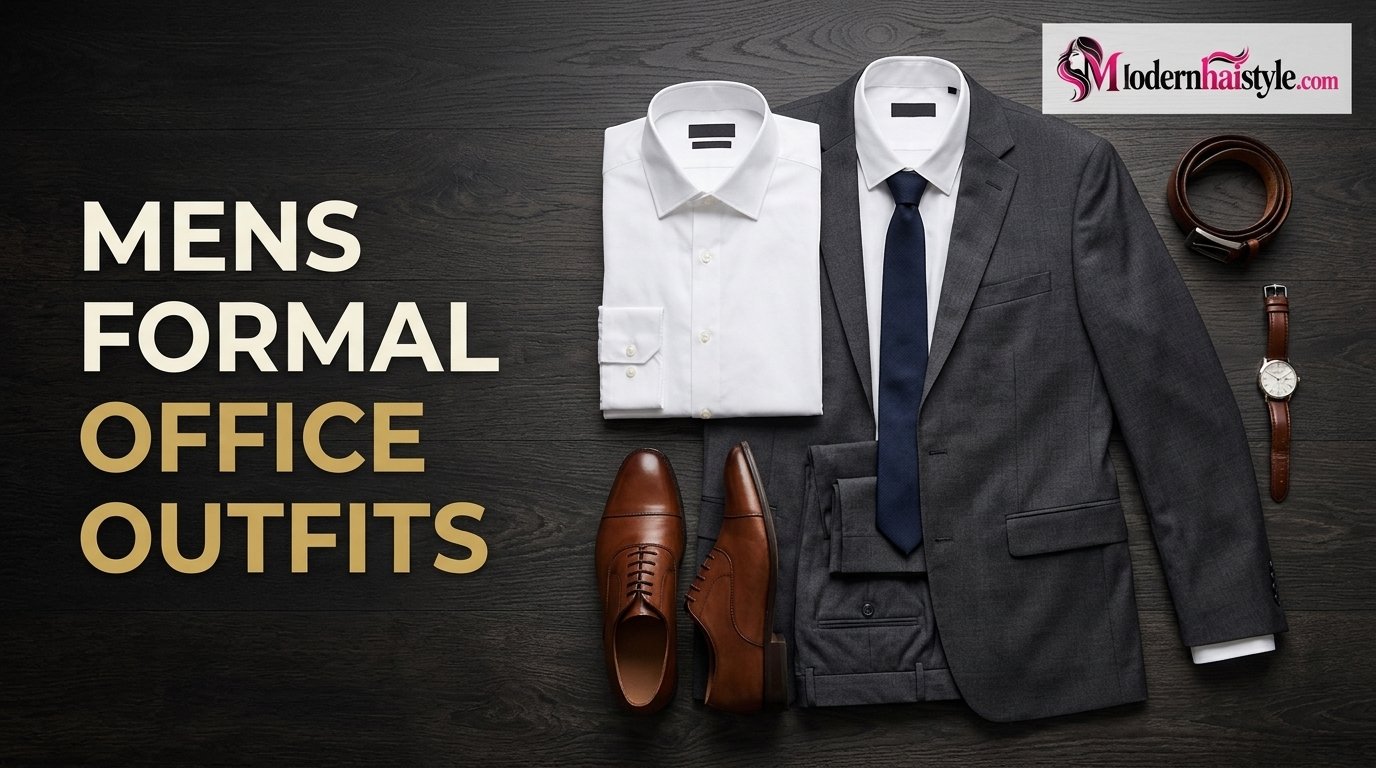
Mens Formal Office Outfits provide a polished and professional appearance for workplace settings, combining well-fitted shirts, trousers, blazers, dress shoes, and subtle accessories for a confident and sophisticated look.
Mens office outfits are the simplest office outfits to define and the easiest to get wrong. Formal means a matching suit, a dress shirt, a tie, and polished leather dress shoes — not a blazer with chinos, not dark jeans with a tie, and not a suit jacket worn with different trousers.
If the jacket and trousers are not cut from the same fabric in the same colour, it is not a formal office outfit.
Quick Answer: What Counts as a Formal Office Outfit?
A formal office outfit for men is a dark matching suit, a white or light blue long-sleeved dress shirt, a tie darker than the shirt, and polished black or dark-brown Oxford shoes. A leather belt matched to the shoes, dark dress socks, and a simple watch complete the outfit. A waistcoat, pocket square, and cufflinks are optional, not required, in most professional contexts.
That formula works in law, finance, banking, government, senior corporate management, and any office that asks for business formal or business professional dress. If your office asks for “formal” with no further detail, a conservative suit and tie is the safe interpretation, and you can ask HR or the organiser if you need certainty.
Fit matters more than the maker’s name, and alterations or second-hand suits are legitimate ways to meet the standard. A well-fitted budget suit beats a poorly fitted premium suit, because fit is what other people see first. That rule runs through every section below, from suit construction to shoe choice.
Business Formal vs Business Professional vs Business Casual
The Three Codes, Side by Side
Business formal is the most conservative everyday business dress code, a dark matching suit, a collared shirt, a tie, and polished leather dress shoes, worn where an employer, client, or event asks for it. The request usually comes with an important occasion: a board meeting, a formal presentation, a shareholder meeting, or a corporate event. Knowing what the code includes takes the guesswork out of getting dressed, so you can concentrate on the meeting itself.
Business professional is a conservative workplace dress code built around a suit, a collared shirt, and usually a tie, and the exact standard is set by your employer or the event that asks for it. The label is not used consistently: some recruiters describe business formal as the matching-suit standard and business professional as a slightly broader code that allows tailored separates, while other guides treat the two names as one code.
Business casual is a different code entirely, and it must not be confused with formal. Business casual replaces the matching suit with a combination of tailored sport coats or blazers and pressed cotton chinos or wool trousers, with collared shirts mandatory but ties optional. If your office is business casual, this article’s formal rules will overdress you — and if your office is formal, business casual rules will underdress you.
| Code | Suit? | Tie? | Typical top | Typical bottom | Typical shoes | Best for |
| Business formal | Matching suit, required | Yes, required | Dress shirt, white or light blue | Matching suit trousers | Black or dark-brown Oxfords | Board, court, formal client, shareholder |
| Business professional | Suit, usually matching | Usually yes | Dress shirt, subtle pattern allowed | Suit trousers, sometimes separates | Oxfords, derbies, monk straps, loafers | Corporate office, presentations, interviews |
| Business casual | No — blazer or sport coat | No, optional | Oxford, polo, knit sweater | Chinos, wool trousers | Loafers, derbies, clean sneakers (relaxed offices) | Everyday modern office, hybrid work |
| Black tie | Tuxedo, not a business suit | Bow tie, required | Dress shirt, formal | Tuxedo trousers | Patent leather shoes | Evening formal events, not office |
When a policy or invitation uses “formal” or “professional” without detail, choose the conservative interpretation. Wear a matching suit and tie, because it is easier to remove a tie or a jacket than to wish you had worn one. That rule is repeated by almost every competitor, because it is the only safe default when the code is ambiguous.
Do not confuse business formal with black tie, as one UK guide does in places. Black tie is an evening code with a tuxedo and bow tie, while business formal is a daytime office code with a dark suit and a necktie. For a US office, black tie is irrelevant unless the event is explicitly an evening formal event, which is a different dress code from office formal.
The Formal Office Formula
Matching Suit + Dress Shirt + Tie + Oxfords
The formal formula has four non-negotiable parts: matching suit, dress shirt, tie, and polished leather dress shoes. Remove any one part and the outfit drops a level: no tie becomes business professional at best, unmatched trousers become business casual, and non-leather shoes become casual. That is why formal dressing is easier than casual dressing once you know the formula — there are fewer choices, and each choice is clearer.
Start with the suit, because the suit sets the tone for everything else. A patterned suit wants a plain shirt and a quiet tie, while a plain suit can take a shirt or tie with more going on. Two loud patterns next to each other compete, and the eye loses its place, so let one element lead and keep the rest quiet.
Add the shirt second, because the shirt is the most forgiving base in formal dressing. A white or pale-blue shirt works under nearly any suit and tie combination, which is why those two colours dominate every formal rotation. If the suit and shoes are the anchors, the shirt and tie are where personality can show without risk — but only within conservative limits.
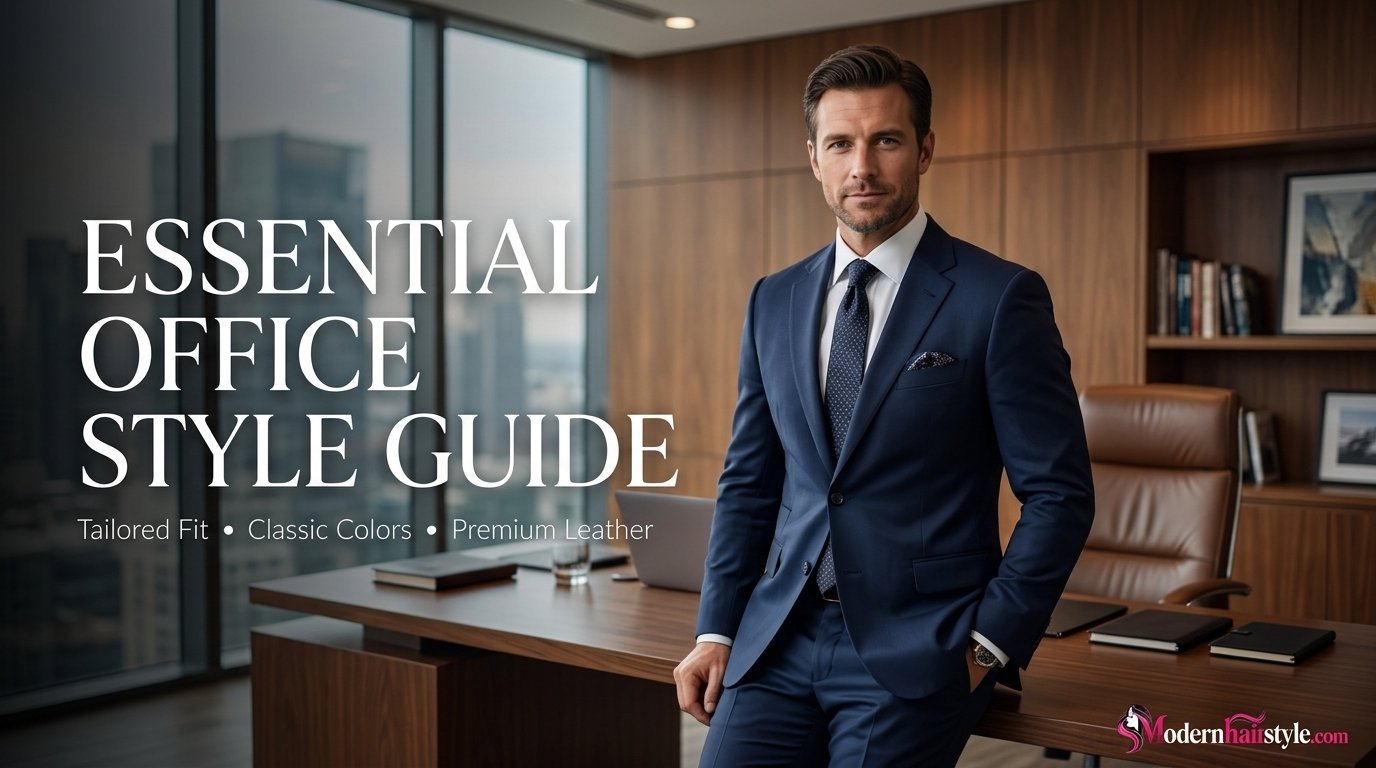
Add the tie third, because the tie defines what colour accents you set. A tie darker than the shirt is the oldest formal rule, and it exists for a reason: a tie lighter than the shirt draws unnecessary attention and looks like a costume. After the tie, choose a pocket square that complements the tie, not one that matches it exactly, because an exact match looks like you tried too hard.
The Suit: Colours, Patterns, Cuts, and Construction
Navy, Charcoal, Black, Mid-Grey, and Brown
Navy and charcoal suits are the conventional starting choices, and black and mid-grey suits also meet the code. Navy is your most flexible suit, working for meetings, presentations, and smart dinners, while charcoal looks serious and polished, making it great for interviews, boardrooms, and formal days. Those two suits alone cover most formal office days.
Mid-grey is slightly lighter than charcoal, still professional, and easy to pair with many shirt colours. It suits daytime meetings and spring or summer offices better than charcoal, because it reflects more light and looks less severe. Dark brown or deep olive adds variety without looking flashy, and it is a strong choice when you want a rich, mature look beyond navy and grey.
Black suits meet the code, but they are not the best everyday office suit for most men. Black reads as more severe and more evening than navy or charcoal, and it pairs best with a white shirt and a dark tie for the most formal occasions. For daily office rotation, navy and charcoal are more versatile, because they pair with more shirt and tie colours without looking like evening wear.
| Suit colour | Best for | Best shirt | Best tie | Shoe colour |
| Navy, solid | Everyday formal, meetings, interviews | White, light blue | Burgundy, navy, dark green | Black or dark brown |
| Charcoal, solid | Board, interviews, formal days | White | Navy, dark green, burgundy | Black |
| Mid-grey, solid or subtle texture | Daytime, spring, summer | White, light blue, soft pink | Many colours, keep tie quiet | Black or dark brown |
| Black, solid | Most formal, evening, court | White | Dark, quiet, solid or subtle | Black |
| Dark brown / deep olive | Variety, fall, mature look | White, light blue | Brown, green, burgundy | Brown |
| Blue-grey / subtle pinstripe | Second “power” option | Plain shirt only | Quiet tie only | Black or dark brown |
Solid, Pinstripe, and Quiet Patterns
Solid suits are the safest formal choice, because they pair with any shirt and tie without pattern conflict. A solid navy or charcoal suit is the first suit every formal-office man should own, before any pattern. Patterned suits are the second step, not the first, because they limit your shirt and tie choices.
Subtle pinstripes are the most formal pattern, but they must be fine and understated. A blue-grey or subtle pinstripe suit adds a second “power” option beyond navy, but if you choose pinstripes, keep the shirt plain and the tie quiet. A loud pinstripe, a bold check, or a large pattern reads as fashion, not formal, and it will distract in a board meeting.
The pattern-scale rule prevents most formal pattern mistakes: mix patterns of different scales, or use only one pattern. A small-check shirt with a bold striped tie works, because the scales differ, while a striped shirt with a striped tie of the same scale clashes. When you are starting out, use no more than three different patterns in an outfit, and preferably only one, because more than three easily looks overwhelmed.
Single-Breasted vs Double-Breasted, Two-Piece vs Three-Piece
Single-breasted suits are the standard formal office suit, with one row of buttons and a clean, versatile silhouette. Two-button single-breasted jackets are the most common and most forgiving, because they suit most body types and most occasions. Three-button jackets suit taller men better, because the higher button stance lengthens the torso, but they can look dated on shorter men if the stance is too high.
Double-breasted suits are more formal and more structured, with two rows of buttons and a broader, more authoritative silhouette. They suit taller, broader men best, because the overlapping front adds width, and they look powerful in board meetings and formal presentations. Double-breasted suits are less versatile for everyday rotation, because they are harder to wear without a tie and they draw more attention than a single-breasted suit.
Two-piece suits — jacket and trousers — are the everyday formal standard, while three-piece suits add a waistcoat as a third matching piece. A waistcoat adds formality, warmth, and a finished look when the jacket is removed, which is useful for long meetings and winter offices. A three-piece suit is not required daily, but it is an excellent second or third suit for formal days, interviews, and evening events.
| Suit type | Formality | Best for | Watch out for |
| Two-piece, single-breasted | Standard formal | Everyday formal office, interviews, meetings | Must match jacket and trousers exactly |
| Three-piece, single-breasted | Higher formal | Board, winter, evening, formal events | Warmer — avoid in summer heat |
| Double-breasted, two-piece | Higher formal, authoritative | Board, presentations, taller/broader men | Less versatile, more attention |
| Double-breasted, three-piece | Highest office formal | Most formal occasions, senior leadership | Heaviest, least everyday — use sparingly |
Half-Canvas vs Full-Canvas vs Fused
Canvas is the internal structure that gives a suit jacket its shape, drape, and longevity. Half-canvas suits have canvas in the chest and lapels, with the lower jacket fused, which gives good drape at a mid-range price. Full-canvas suits have canvas through the whole jacket front, which gives the best drape, the longest life, and the most natural movement, but at a premium price.
Fused suits have the jacket front glued, not canvassed, which makes them cheaper but less durable and less breathable. Fused jackets can bubble or stiffen after dry cleaning, and they do not mould to your body over time the way canvassed jackets do. For a suit worn daily in a formal office, half-canvas is the minimum worth buying, because a fused suit will show its construction within a year of regular wear.
Construction matters more than brand name, and it is the main reason two suits at the same price can look very different. A half-canvas suit from a mid-range brand will outlast and out-drape a fused suit from a premium brand, because construction, not label, determines how a suit moves and ages. Ask about canvas before you ask about brand, and check the jacket’s drape on your body, not just on a hanger.
The Shirt: White, Light Blue, and the Collar That Works With a Tie
A white or light-blue long-sleeved dress shirt is the usual partner for a formal suit, with double cuffs and cufflinks optional. White is the most formal shirt colour, pairing with every suit and tie, while light blue softens a dark suit and suits daytime meetings better. Light grey and soft pink are optional variety shirts, but they should not replace white and light blue as the rotation core.
Choose a standard or semi-spread collar that works neatly beneath the jacket and frames the tie knot. A spread collar suits a wider tie knot, while a standard collar suits a Four-in-Hand knot, and the collar should close cleanly around the tie without gaping. A collar that collapses under a jacket, or a collar that is too tight to button comfortably, ruins an otherwise perfect suit, because the collar is the most visible shirt detail.
Always tuck in a dress shirt when wearing a suit, tie, or formal trousers, because it creates a cleaner and more polished silhouette. Ensure the shirt is long enough to stay neatly tucked throughout the day, because a shirt that rides up during a meeting looks careless. A crisp, long-sleeve dress shirt in white or light blue, preferably with a standard or semi-spread collar, is the foundation every formal outfit needs.
Shirt fabrics for formal office wear are poplin, twill, and broadcloth in cotton, with Oxford cloth as a slightly more textured, less formal option. Poplin is smooth and dressy, twill is sturdy and holds structure, and broadcloth is fine and crisp for the most formal days. Avoid sheer, wrinkled, or overly casual shirt fabrics in a formal office, because they undermine the suit’s structure no matter how good the suit is.
The Tie System: Width, Knot, Pattern, Colour, and Tie Bar
Tie Width by Lapel Width
Tie width should match lapel width, because a tie that is much wider or narrower than the lapels looks unbalanced. Mid-width ties of about 7–8 cm are the safest width for most suits, in textured fabrics such as knit, woven, or matte silk, with small neat patterns, dots, or stripes, in deep colours like burgundy, forest green, navy, and rust. That width suits most modern lapels and most body types without drawing attention to itself.
Very skinny ties under 6 cm have faded, while a slimmer knitted tie of around 6–6.5 cm still works with slim suits and smart-casual outfits. Wider ties of 8 cm suit classic tailoring and broader lapels, but extra-wide ties remain niche and can look dated. For most formal office suits, 7–8 cm is the safest width, and it is the width to choose if you buy only one tie width.
Tie width is not a fashion statement in a formal office — it is a proportion rule. A wide tie with narrow lapels looks top-heavy, while a skinny tie with wide lapels looks lost, and both errors are visible from across a boardroom table. Match the tie to the lapel, and the outfit will look balanced even if no one can say why.
Tie Knot by Collar
Tie knot choice depends on collar type, tie thickness, and face shape, not on fashion alone. A Four-in-Hand knot is slim, slightly asymmetric, and suits standard collars and thinner ties, making it the most versatile everyday knot. A Half Windsor knot is triangular, symmetric, and suits spread collars and thicker ties, making it the best knot for formal meetings and presentations.
A Windsor knot is large, triangular, and formal, but it suits only wide spread collars and thinner ties, because it uses more fabric. A Windsor with a standard collar looks cramped, while a Four-in-Hand with a wide spread collar looks lost, so match knot to collar before you match knot to occasion. Pinch a small dimple under the knot for a finished look, because a flat, dimple-free knot looks unfinished even if the tie itself is perfect.
Tie knot rules from competitor guides are consistent: the knot should be tight enough so that the collar behind it does not show, and the tie should touch the waistband. Any longer will look gangly, and any shorter will look like you are back in school, because tie length is a proportion rule, not a preference. Check tie length standing, with the jacket buttoned, because sitting changes where the tie falls.
Shirt-Tie-Suit Pairing Table
The tie should always be darker than the shirt, without exception in formal office dressing. That rule allows the tie to be the focal point, while a tie lighter than the shirt draws unnecessary attention and looks like a costume. Match the tone of your tie with your suit’s colour family, and use pattern scale to avoid clashes: a patterned tie with a plain shirt, or a plain tie with a patterned shirt, works best.
| Suit | Shirt | Tie (best) | Tie (avoid) |
| Navy | White or light blue | Burgundy, navy, dark green, quiet pattern | Light tie, loud pattern, bright colour |
| Charcoal | White | Navy, dark green, burgundy | Light tie, bright pattern |
| Mid-grey | White, light blue, soft pink | Many colours, keep tie quiet | Loud pattern with patterned shirt |
| Black | White | Dark, quiet, solid or subtle | Bright tie, light tie, large pattern |
| Dark brown / olive | White, light blue | Brown, green, burgundy | Black tie (too severe), bright tie |
| Blue-grey / pinstripe | Plain shirt only | Quiet tie only | Patterned shirt + patterned tie |
For patterned shirts, choose a tie with a different scale of pattern — for instance, a small-check shirt with a bold striped or solid tie. For a plain shirt, feel free to explore printed or textured ties to add personality, because the plain shirt gives the tie room to work. Pastel or patterned shirts should be balanced with subtle or solid-coloured ties to maintain harmony, rather than competing with a second loud pattern.
Repeat warm tones from shoes into your tie for polish, and consider skin tone near the face. Red or ruddy skin tones should avoid intense warm colours near the face, while pale complexions benefit from a hint of red in the tie, according to competitor tie guides. Those are refinements, not rules, and they matter less than the core rule: tie darker than shirt, pattern scale different from shirt, and colour harmonious with suit.
Shoes, Belt, Socks, and Accessories
Oxfords, Derbies, Monk Straps, and the Finish That Decides Formal
Plain black or dark-brown leather Oxfords are the most conventional shoes for the formal code. Oxfords are closed-lace shoes, which makes them more formal than Derbies, which are open-lace and slightly less formal. For the most formal occasions — board, court, shareholder — black cap-toe Oxfords are the safest choice, because they are the least distracting shoe in formal dressing.
Derbies and monk straps are acceptable in business professional offices, and sometimes in formal offices, but they are a step below Oxfords in formality. Derbies suit slightly less formal suits and daytime meetings, while monk straps add a buckle detail that suits confident dressers but can distract in the most conservative rooms. Brogues, with their perforated detailing, are dressier than loafers but less formal than plain Oxfords, so use them for business professional days, not for the most formal board days.
Loafers, including tassel loafers, are not formal office shoes, even in expensive leather. A grey flannel suit with tassel loafers may look elegant for a winter wedding or cocktail reception, but it does not meet a formal office code that asks for laced dress shoes. Save loafers for business casual and smart casual offices, and wear Oxfords or Derbies for formal offices.
| Shoe | Formality | Best suit | Avoid for |
| Black cap-toe Oxford | Highest formal | Navy, charcoal, black, grey | Casual Fridays, business casual |
| Dark-brown Oxford | High formal | Navy, mid-grey, brown | Black suit (too soft), most formal court |
| Derby, black or brown | Business professional | Navy, charcoal, grey | Most formal board, court |
| Monk strap, dark leather | Business professional | Navy, grey, brown | Most conservative board, court |
| Brogue, dark leather | Business professional | Navy, grey, brown | Most formal board, court |
| Loafer, any leather | Business casual, not formal | Chinos, separates | Formal office, board, court |
Belt and shoes share a colour, and that is the oldest and least negotiable pairing in formal dressing. Black shoes take a black belt, brown shoes take a brown belt in the same tone, and mixing black with brown is difficult to pull off even for experienced dressers. Traditionally, shoes, bags, belts, wallets, and watch straps should be finished in matching leather, because mismatched leathers break the outfit’s coherence.
Socks should be dark, subtle, coordinated, and clean, and long enough so that when you sit down there is no leg showing. Dark navy, charcoal, or black dress socks suit most formal suits, while brown socks suit brown shoes and brown suits. Avoid white socks, athletic socks, and loud novelty socks in a formal office, because socks are visible every time you sit, cross your legs, or walk up stairs.
Keep metals consistent: watch case, belt buckle, cufflinks, and tie bar should share a family — all silver-tone or all gold-tone, not mixed. That is a small thing that the eye registers anyway, and it is one of the easiest formal details to get right. A tie bar holds the tie to your shirt so it does not swing, and it should be worn between the third and fourth buttons of your shirt, narrower than the tie, about three-quarters of its width, with metal matched to your watch and cufflinks.
A pocket square belongs in the chest pocket only, never matched dead-on to the tie. A tone that echoes rather than copies looks more considered, and one folded white square is the safest choice in any situation where you are unsure. A white linen pocket square works with nearly everything, while a coloured pocket square should pull a secondary colour from the shirt or suit, not copy the tie’s main colour.
Cufflinks are optional in most professional contexts, but they are expected with French cuff (double cuff) shirts. Keep cufflinks subtle for professional occasions — simple metal, no novelty shapes — and match their metal to your watch and tie bar. A simple watch with a leather or metal strap completes the outfit, while a large, sporty, or digital watch undermines a formal suit, even if it is expensive.
20 Copy-and-Paste Formal Office Outfits by Occasion
Everyday Formal Office — 5 Outfits
- The Navy Standard: navy worsted wool suit + white poplin dress shirt + burgundy silk tie + black cap-toe Oxfords + black belt. This is your default formal outfit, and when in doubt, wear this, because it works in almost every formal office. The navy suit is flexible, the white shirt is crisp, and the burgundy tie adds colour without risk.
- The Charcoal Authority: charcoal wool suit + white dress shirt + navy silk tie + black Oxfords + black belt + white pocket square. This is the most serious everyday formal outfit, great for interviews, boardrooms, and formal days, because charcoal reads as more serious than navy. The navy tie keeps the outfit from looking like evening wear, while the white shirt keeps it crisp.
- The Light Blue Daytime: navy suit + light blue dress shirt + navy grenadine tie + dark-brown Oxfords + brown belt. This is a daytime formal outfit that softens the navy suit, making it approachable without losing formality. A navy grenadine tie adds texture without pattern, which is ideal for a first interview wardrobe where texture matters more than colour.
- The Mid-Grey Spring: mid-grey wool suit + white dress shirt + dark green silk tie + black Oxfords. This is a lighter formal outfit for spring and daytime meetings, because mid-grey reflects more light than charcoal and pairs with many tie colours. Keep the tie quiet and the shirt plain, so the grey suit, not the tie, leads the outfit.
- The Brown Variety: dark brown wool suit + light blue dress shirt + brown silk tie + brown Oxfords + brown belt. This adds variety without looking flashy, and it is a strong choice when you want a rich, mature look beyond navy and grey. Brown suits suit fall and winter best, because their warmth matches the season’s colours and fabrics.
Board Meetings and Presentations — 5 Outfits
- The Board Classic: charcoal suit + white shirt + navy tie + black Oxfords + black belt + simple dress watch. This is the board-meeting standard, because every piece is conservative, dark, and quiet, so attention stays on your presentation, not your clothes. That unobtrusive effect is the purpose of formal dressing in a boardroom.
- The Presentation Authority: navy suit + white shirt + burgundy tie + black Oxfords + white pocket square, folded flat. This is a presentation outfit that signals authority without stiffness, because the burgundy tie adds warmth to the navy suit. The pocket square should be folded, not puffed, for a boardroom, because a puffed square reads as evening wear.
- The Shareholder Formal: black suit + white shirt + dark solid tie + black Oxfords + black belt + cufflinks, if French cuffs. This is the most formal shareholder-meeting outfit, for occasions where black is expected and any colour risk would distract. Keep accessories minimal and metals consistent, because a shareholder meeting rewards consistency, not personality.
- The Conference Formal: navy suit + light blue shirt + regimental stripe tie + dark-brown Oxfords + leather briefcase. This is a conference outfit that travels well, because the light blue shirt softens the navy suit for a full day of meetings, and the briefcase carries papers without a backpack’s casualness. A regimental stripe tie is a classic conference choice, because it is patterned but quiet.
- The Leadership Presentation: charcoal flannel suit + white shirt + navy wool tie + black Oxfords + navy overcoat for the commute. This is a winter leadership outfit, because flannel adds warmth and presence, and the wool tie matches the flannel’s texture. The overcoat completes the outfit outdoors, but it should be removed indoors, because an overcoat in a meeting looks like you just arrived.
Interviews and First Days — 5 Outfits
- The One-Interview Wardrobe: navy mid-weight wool suit, solid + white dress shirt + navy grenadine silk tie + black Allen Edmonds Park Avenue cap-toe Oxfords + black belt + simple leather-strap dress watch. This kit, recommended by interview guides, gets you through most professional interviews, because every piece is conservative, high-quality, and versatile. Add a second shirt in light blue, and you have a two-interview rotation without a second suit.
- The Formal Interview Safe: charcoal suit + white shirt + conservative tie + black Oxfords + black belt, no pocket square. This is the safest interview outfit for a formal company, because it dresses toward the most polished end of the code and removes any accessory risk. Avoid loud ties, patterned shirts, and any shoe that is not a polished Oxford or Derby.
- The First-Day Formal: navy suit + light blue shirt + navy tie + dark-brown Oxfords + brown belt + leather briefcase, jacket buttoned on arrival. This lets you read the room on day one: if the office is more formal, keep the tie and jacket on; if it is slightly less formal, you can remove the jacket at your desk, but never the tie in a formal office. That adaptability matters more than guessing the code correctly on the first try.
- The Law Firm Interview: charcoal suit + white shirt + dark green or navy tie + black Oxfords + black belt + white pocket square, folded. This is a law-firm interview outfit, because law rewards conservatism more than any other industry except finance and government. Keep the suit dark, the shirt white, and the tie quiet, because a law interview is not the place for personality dressing.
- The Finance Interview: navy suit + white shirt + burgundy or navy tie + black Oxfords + black belt + simple watch, no cufflinks unless French cuffs. This is a finance interview outfit, because finance rewards the same conservatism as law, with slightly more room for a burgundy tie as a colour accent. The suit should be solid, not pinstriped, for a first interview, because a solid suit is less distracting than a pattern.
Conferences, Events, and Evenings — 5 Outfits
- The Conference Day-to-Evening: navy suit + white shirt + burgundy tie for day, swapped to a darker tie and a pocket square for evening. That day-to-evening swap — darker tie, pocket square added, brown shoes changed to black shoes for increased formality — is the most practical conference trick in this article. It turns one suit into two outfits without a second suitcase.
- The Corporate Event: charcoal suit + white shirt + black silk tie + black Oxfords + black belt + pocket square, for evening. This is a corporate event outfit that is formal without being black tie, because the black tie adds evening formality while the suit keeps it business-appropriate. A velvet jacket in burgundy, bottle green, or midnight blue is an alternative for holiday parties, but it is not an office suit.
- The Awards Ceremony: black suit + white shirt + black tie + black Oxfords + black belt + cufflinks, jacket buttoned for photographs. This is an awards outfit that photographs well, because black, white, and black are the most photogenic formal combination. Keep the pocket square white and folded, because a coloured square can clash with stage lighting in photographs.
- The Formal Dinner: navy suit + white shirt + dark tie + black Oxfords + overcoat, removed at the table. This is a formal dinner outfit that works for company dinners and client dinners, because it is polished but not black tie. A three-piece version, with a matching waistcoat, adds formality and warmth for winter dinners, and it looks finished when the jacket is removed at the table.
- The Executive Evening: midnight blue suit + white shirt + black tie + black Oxfords + classic watch, with a darker tie for post-5 p.m. polish. This is an executive evening outfit, for senior leadership events where a midnight suit and black shoes elevate a cocktail setting. The midnight suit is darker than navy, so it reads as evening wear, while still being a business suit, not a tuxedo.
The Suit Rotation: 3-Suit Starter and 5-Suit Rotation Plans
Why Rotation Matters More Than Owning Many Suits
A five-suit rotation should do three things: cover different levels of formality, create variety through colour and texture, and give each suit a rest between wears so it keeps its shape. That rest matters, because a suit worn four days in a row will lose its shape, wrinkle at the elbows and knees, and smell of wear, even if it is dry-cleaned. Rotation is care, not luxury, and it extends every suit’s life.
You do not need many suits to look varied — you need controlled combinations. A shirt plan and a tie plan multiply a small rotation: white, light blue, light grey, and soft pink shirts, plus navy, burgundy, dark green, brown, and one quiet-pattern tie, create dozens of combinations from three suits. That is why rotation planning matters more than buying a fourth or fifth suit before you have a shirt-and-tie plan.
3-Suit Starter
| Suit | Colour / fabric | Best for | Shirt plan | Tie plan |
| Suit 1 | Navy, worsted wool, solid | Everyday, interviews, meetings | White, light blue | Burgundy, navy |
| Suit 2 | Charcoal, worsted wool, solid | Board, formal days, interviews | White | Navy, dark green |
| Suit 3 | Mid-grey, wool, solid or subtle texture | Daytime, spring, summer | White, light blue, soft pink | Burgundy, brown, quiet pattern |
Start smaller if you must, and build up, because a smaller rotation done well beats a larger rotation done badly. One navy suit, two shirts, one tie, and one pair of Oxfords will cover a formal interview and a first week, if the fit is right and the care is right. Add charcoal second, mid-grey third, and only then add brown, pinstripe, or a three-piece suit, because those are variety suits, not core suits.
5-Suit Rotation
| Suit | Colour / fabric | Role |
| Suit 1 | Navy wool suit, solid | Most flexible — meetings, presentations, smart dinners |
| Suit 2 | Charcoal grey wool suit, solid | Serious and polished — interviews, boardrooms, formal days |
| Suit 3 | Mid-grey wool suit, solid or very subtle texture | Lighter than charcoal, still professional — daytime, spring |
| Suit 4 | Dark brown or deep olive wool suit, solid, conservative tone | Variety without flash — rich, mature look, fall |
| Suit 5 | Blue-grey or subtle pinstripe suit, keep it quiet | Second “power” option beyond navy — presentations, events |
If you prefer an even simpler wardrobe, start with the 3-suit starter and add Suit 4 and Suit 5 over a year, not in one shopping trip. That pacing lets you learn which colours and fabrics you actually wear, rather than buying a rotation that looks good on a list but does not match your office. A rotation that matches your office is worth more than a rotation that matches a guide.
The 5-Day Formal Plan: One Rotation, No Repeat Suit
| Day | Outfit | Why it works |
| Monday | Navy suit + white shirt + burgundy tie + black Oxfords | Default, authoritative, no decisions needed |
| Tuesday | Charcoal suit + white shirt + navy tie + black Oxfords | Most serious day, board and meeting ready |
| Wednesday | Mid-grey suit + light blue shirt + dark green tie + dark-brown Oxfords | Lighter, daytime, still formal |
| Thursday | Navy suit + light blue shirt + navy grenadine tie + black Oxfords | Same suit as Monday, different shirt and tie — not a repeat outfit |
| Friday | Charcoal suit + white shirt + burgundy tie + black Oxfords, jacket optional at desk | Formal Friday, still polished, weekend-ready only after work |
Rotate shirts and ties, not just suits, to avoid visible repetition. The same navy suit looks different with a white shirt and burgundy tie on Monday versus a light blue shirt and navy grenadine tie on Thursday, because the shirt and tie change the whole colour balance. That rotation is what prevents a small suit wardrobe from looking like the same outfit every day.

Give each suit a rest day, and hang it on a shaped hanger, not draped over a chair. If you are allowed to take off your jacket at work — for example outside client meetings or on very hot days — always hang it on a hanger rather than draping it over the back of a chair, because draping creases the shoulders and back. A suit that rests and hangs properly will keep its shape for years longer than a suit that is worn daily and stored badly.
Seasonal Formal Outfits
Summer: Tropical Wool, Lightweight Suits, and Heat
If business attire is mandatory in your company, it typically applies year-round, with no exceptions for summer or winter. To avoid getting too hot or too cold, you should therefore buy suits suitable for the different seasons, rather than wearing one year-round suit in all weather. A year-round suit is a compromise that will feel too hot in summer and too thin in winter.
In summer, choose unlined, lightweight jackets made of breathable, cooling fabrics such as linen, cotton, or seersucker, in a formal cut. Tropical wool is the safest summer formal fabric, because it breathes like linen but looks like a formal suit, while linen and seersucker suits are more relaxed and vary in formality by office. Avoid short sleeves, open necklines, and open-toed shoes such as sandals, even in the warmer months, because those break the formal code regardless of heat.
Summer formal outfit: navy tropical wool suit + white poplin shirt + navy silk tie + black Oxfords, jacket removed at desk if allowed. That outfit breathes in heat, looks formal in meetings, and survives a commute better than a heavy wool suit. A lightweight suit in Phoenix desert heat, per Articles of Style, needs breathability and lightweight construction to transition from office to outdoor events comfortably, which is why tropical wool beats flannel in summer.
Winter: Flannel Suits, Overcoats, and Heated Offices
In winter, choose thicker, warmer materials such as virgin wool or tweed, plus a long, classically cut coat. A long overcoat and accessories such as scarves, gloves, and hats made of high-quality materials such as cashmere will make your business outfit suitable for even the coldest days, but those accessories are for outdoors, not for meetings. Take hats and scarves off indoors, because they do not belong in a boardroom.
Flannel suits are the smartest winter formal investment, because nothing else combines warmth, comfort, and professional appearance quite like flannel. The fabric’s brushed surface traps heat while maintaining the crisp silhouette expected in formal environments, and it breathes better than you would expect, preventing the overheating that comes from wearing too many synthetic layers. A simple dress shirt and the flannel suit itself keep you comfortable in most winter office environments, without heavy layering underneath.
Winter formal outfit: charcoal flannel suit + white shirt + navy wool tie + fine merino V-neck under the jacket + navy overcoat + grey scarf (outdoors) + black Oxfords with rubber soles. That outfit, from The Vou’s winter guide, handles cold commutes and heated offices, because the merino layer can be removed at the desk and the overcoat can be hung on arrival. Offices are often warm in winter, so plan to take layers off at your desk, and keep a pair of office shoes at work if you commute in boots.
Fall and Spring: Transitional Formal
Fall formal outfits use flannel, tweed, and wool-blend suits in navy, charcoal, dark green, and chocolate brown. Those four colours cover every situation you will encounter in a formal office in fall, because they are dark, rich, and versatile. The texture of flannel adds visual interest without drawing excessive attention, which is exactly what formal fall dressing needs: depth without decoration.
Spring formal outfits use lighter wool, cotton-linen blends, and mid-grey suits, with soft shirt colours and quiet ties. Spring temperatures change quickly, so a lightweight suit with a removable overcoat or trench coat handles morning cold and afternoon warmth. A trench coat, in a classic cut, is the spring formal outerwear that pairs with every suit colour, while an overcoat is the winter equivalent for colder days.
US Climate Guide: Humid, Dry, Coastal, and Urban Formal Offices
Humid Southeast and Dry Southwest
Humid Southeast formal offices, from Florida to the Gulf Coast, need tropical wool and linen-blend suits first. Humid heat makes heavy wool trap heat and sweat, while tropical wool’s open weave lets air move and moisture escape. Choose unlined jackets, breathable shirts, and dark dress socks that wick moisture, because a formal suit in humidity fails first at the shirt and socks, not at the jacket.
Dry Southwest formal offices, from Arizona to inland California, need lightweight wool and seersucker-aware choices. Dry heat feels less heavy than humid heat, but sun exposure is stronger, so a lightweight suit that breathes and a hat for the commute matter more than extra layers. A grey flannel suit in Phoenix heat, per Articles of Style, needs lightweight construction and breathability to hold its own, which is why Super 180s flannel is noted as a rare warm-weather flannel — verify that claim on the manufacturer’s page before buying it as a summer suit.
Cool Coastal and Hot Urban
Cool coastal formal offices, from coastal California to the Pacific Northwest, need a layer that handles morning cold and afternoon warmth. A trench coat or overcoat, depending on season, completes the formal outfit outdoors, while the suit itself handles the office indoors. A coastal formal capsule that has no outerwear will leave you cold on the commute, even if the office itself is warm.
Hot urban formal offices, from New York to Chicago, need a commute-to-desk system. Walk in heat outdoors, then sit in air-conditioned offices indoors, which means a suit that breathes, a shirt that does not show sweat, and office shoes swapped from commuting shoes at the desk. Keep a garment bag or a spare shirt at work for very wet days, because a formal outfit that arrives soaked cannot be fixed by a tie change.
Fit Rules by Body Type
Tall, Short, Slim, Muscular, and Big-and-Tall
Tall men should check jacket length, trouser length, and tie length first, because standard lengths are often too short for a tall frame. Choose a jacket that covers the seat, trousers with a longer inseam that do not ride up when you sit, and a tie that touches the waistband even on a longer torso. A tall man in a standard jacket that is too short looks underdressed, even if the suit itself is high quality.
Short men should choose a shorter jacket, a tapered trouser, and a two-button stance, because excess fabric makes a short frame look smaller. A jacket that covers the seat but does not overwhelm the legs, trousers with a slight break, and a tie knot that is not oversized all create a longer leg line. Avoid three-button jackets with a high stance and very wide lapels, because those proportions shorten the silhouette.
Slim men should choose a tailored or slim fit, not a skinny fit, because a tailored fit follows the body without clinging, while a skinny fit restricts movement and looks uncomfortable in a suit. A slim-straight trouser, a tailored jacket with a clean shoulder seam, and a shirt that does not billow at the waist all work for a slim frame, while very relaxed, oversized suits can look shapeless in light fabrics.
Muscular and big-and-tall men should prioritise structured fabrics, half- or full-canvas construction, and athletic or made-to-measure fits. Cotton-sateen, worsted wool, and flannel hold shape better than very soft fabrics on a larger frame, and athletic fits give room in the chest, seat, and thighs without bagginess. Skopes, a UK retailer, lists suit sizes up to 62″ chest, which shows that big-and-tall formal suits exist — but verify US sizing on a US retailer’s page, because UK sizing and pricing do not transfer directly.
Fit is key, and it does not matter if you splurged on an expensive suit if it does not fit well. A suit should sit comfortably at the shoulders, close cleanly through the chest, and lie smoothly across the back when buttoned, while trouser hems should meet the top of the shoe with a modest break, and sleeves should allow a small amount of shirt cuff to show. Those details are especially important when buying formal business attire online, where comparing measurements with a garment that already fits well makes selection more reliable.
Brands by Budget and Construction
Ready-to-Wear, Made-to-Measure, and Bespoke
Brand perception influences professional credibility, but fit and construction influence it more. A half-canvas suit from a mid-range brand will outlast a fused suit from a premium brand, because construction determines drape and longevity. When comparing brands, ask first about canvas, then about fabric, then about fit, and only then about price, because that order prevents the most expensive mistake: buying a fused suit at a premium price.
Budget tier: focus on fit and alterations, not on buying more suits. Indochino is noted for custom suiting at an affordable price, with made-to-measure suits from around 379–399 in older competitor reports, but fit can be tricky if you live far from a showroom. J.Crew Factory worsted wool suits were reported at $388.50 for jacket plus trousers on sale, which is a useful budget benchmark — but verify current prices, because sale prices change weekly.
Mid-range tier: balanced cost-to-quality ratio, good for scaling a rotation. Suitsupply is noted for modern Italian-fabric tailoring at mid-range prices, with entry suits from $399 and a Havana suit at $549 in competitor reports, plus half-canvas construction and in-store alterations. Spier & Mackay is noted as the closest Suitsupply alternative at lower prices, with classic tailoring and direct-to-consumer pricing, making it a strong mid-range choice for US buyers who cannot reach a Suitsupply store.
Premium tier: heritage tailoring, premium wool mills, and strong drape retention, ideal for executives and leadership roles. Brooks Brothers is noted as America’s oldest apparel brand, founded in 1818, with 1818 line suits at $1,498 list in competitor reports, made in Italy, with multiple fit templates and hand-tailored arm openings. Proper Cloth is noted for custom shirts and suits built to your measurements online, with a home try-on option that dials in measurements before you commit, which suits hard-to-fit builds.
Prices below are competitor-reported and must be verified at purchase time, because collections and prices change. Suitsupply Havana $549, Suitsupply entry from 399,Indochinofrom~379, Brooks Brothers 1818 $1,498, Spier & Mackay / Suitsupply interview suits 500–700, and Allen Edmonds Park Avenue as a long-life black cap-toe shoe — all from competitor pages, not from a live price check on the date of this article. Do not treat any of those prices as current without checking the brand’s current page.
| Tier | Brands | Best for | Construction / fit note |
| Budget | Indochino, J.Crew Factory, Men’s Wearhouse | First suit, interviews, tight budget | Made-to-measure (Indochino) or ready-to-wear on sale; verify canvas |
| Mid-range | Suitsupply, Spier & Mackay, Bonobos Tailored | Scaling a rotation, daily formal office | Half-canvas (Suitsupply); classic tailoring (Spier & Mackay) |
| Premium | Brooks Brothers, Proper Cloth, Black Lapel | Executive, board, long-life suits | Heritage tailoring; made-to-measure online (Proper Cloth, Black Lapel) |
| Shoes | Allen Edmonds, plus brand dress shoes | Long-life Oxfords | Park Avenue black cap-toe is the interview standard in competitor guides |
Suitsupply vs Indochino vs Brooks Brothers is the most useful brand comparison for formal buyers. Choose Suitsupply if you live near a store, want reliable half-canvas fit and fast alterations, and can spend mid-range prices. Choose Indochino if you want custom suiting at a lower price and live near a showroom for measurements and free alterations under its Perfect Fit Promise. Choose Brooks Brothers if you want heritage tailoring, classic cuts, and in-person made-to-measure at a familiar store, and you wear a suit multiple times a week.
Grooming, Care, and Travel
Brushing, Polishing, Packing, and the Spare Shirt
Grooming and finish are part of the formal outfit, not an extra. A pressed shirt, polished shoes, a tucked shirt, a collar that sits neatly, and a belt that matches your shoes all signal intention, while wrinkled garments and scuffed shoes undermine professional appearance even if the suit itself is expensive. That finish is what separates a formal outfit from a suit worn casually, in the same pieces.
Brush wool coats and suits after wet days, and let them dry naturally on a shaped hanger, away from direct heat. Clean salt and mud off shoes promptly, let them dry with shoe trees, and condition the leather, because salt and mud damage leather faster than wear does. Follow each garment’s care label, especially for knitwear and coats, because a care mistake can ruin a suit faster than a year of wear.
Dry-clean a suit only when it needs it, not after every wear, because dry cleaning wears fabric and construction. Brush a suit after each wear, air it on a hanger, spot-clean marks, and dry-clean only when it is soiled or smells, because frequent dry cleaning shortens a suit’s life. A suit rotation helps here too, because rest days between wears reduce the need for cleaning.
For travel, choose wrinkle-resistant wool with a hint of stretch, a breathable lining, and rubber-tipped shoe soles to reduce fatigue. Keep your briefcase or folio streamlined and leather-matched to your belt for a cohesive, professional finish, and pack a suit in a garment bag, not folded in a suitcase, if you can. A garment bag or a spare shirt helps on very wet days, and a pair of office shoes at work helps if you commute in boots.
Button the right buttons, and unbutton your suit when you sit down. The bottom button of your suit jacket and waistcoat should always remain undone, because when it is buttoned it restricts movement and does not allow the jacket to move freely. When standing for any length of time — greeting people, giving a toast, in a meeting on your feet — the jacket stays buttoned, and you do it back up when you stand.
Mistakes That Break a Formal Outfit — And the Fix for Each
- Wearing an orphaned jacket or unmatched trousers as a “suit”. Fix: buy a matching suit, or wear separates only in a business professional office that explicitly allows them, never in a formal office.
- Wearing a tie lighter than the shirt. Fix: choose a tie darker than the shirt, in a colour harmonious with the suit, because a light tie draws attention and looks like a costume.
- Buttoning the bottom jacket button. Fix: leave the bottom button undone always, for both jacket and waistcoat, because buttoning it restricts movement and breaks the jacket’s line.
- Wearing square-toed shoes with a suit. Fix: wear round- or almond-toe Oxfords or Derbies, because square-toed shoes are, in competitor guides’ words, banished forever from formal dressing.
- Wearing a pocket square that exactly matches the tie. Fix: choose a pocket square that complements the tie by pulling a secondary colour from the shirt or suit, or use a plain white linen square.
- Wearing a tie that is too short or too long. Fix: tie length should touch the waistband, with a dimple under the knot, and the knot tight enough that the collar behind it does not show.
- Wearing mismatched leathers or mixed metals. Fix: match belt to shoes in tone, and keep watch, buckle, cufflinks, and tie bar in the same metal family, all silver-tone or all gold-tone.
- Wearing a wrinkled shirt, scuffed shoes, or a suit that has not rested. Fix: press or steam the shirt, polish the shoes, rotate suits, and hang the jacket on a hanger, not draped over a chair.
Expert Tips
- Read the policy or invitation first, then build the outfit. The code is set by whoever issues it, so a conservative suit and tie is the safe interpretation when the policy gives no detail.
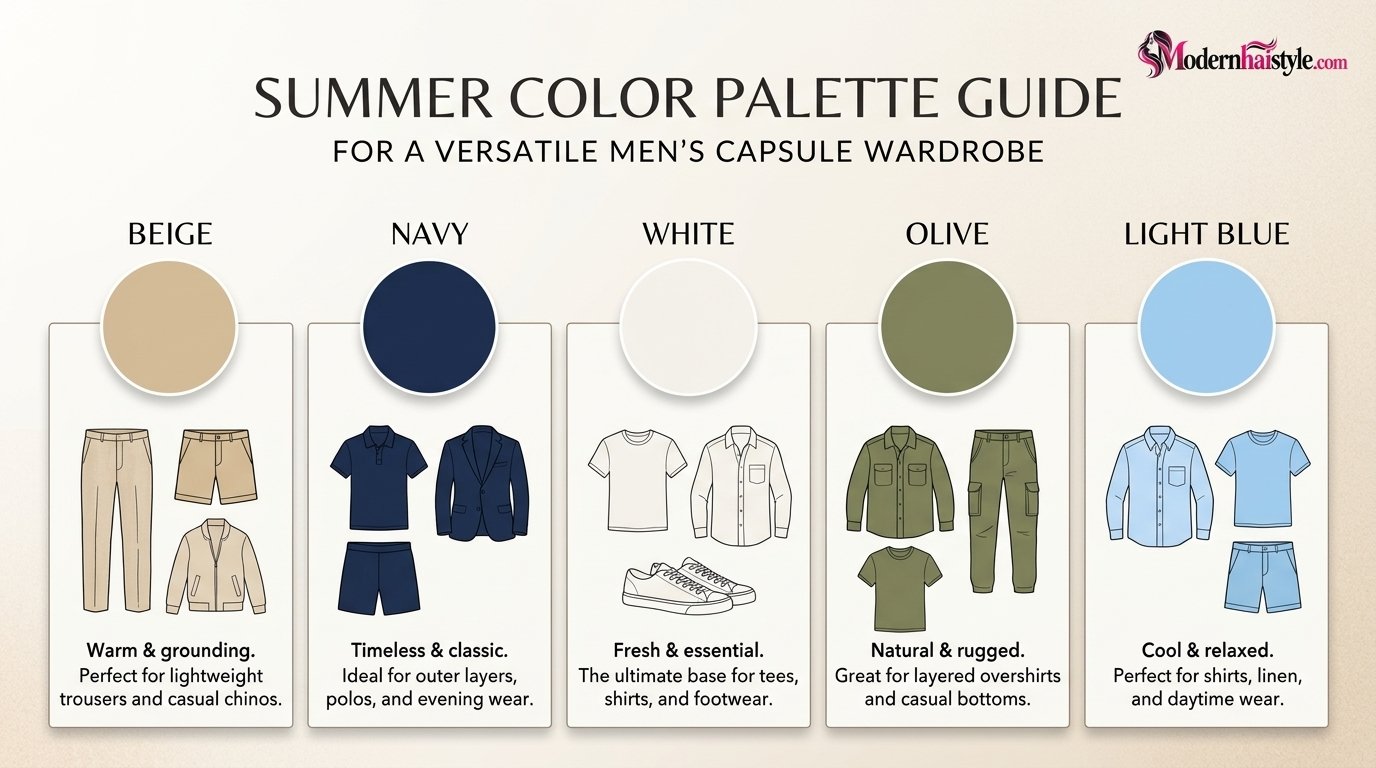
- Buy navy first, charcoal second, mid-grey third. Those three suits cover almost every formal office day, and variety suits should wait until the core rotation is built.
- Let one element lead: patterned suit, plain shirt, quiet tie — or plain suit, patterned shirt or tie. Two loud patterns next to each other compete, and the eye loses its place.
- Match tie width to lapel width, and tie knot to collar. Mid-width ties of 7–8 cm suit most lapels, Four-in-Hand suits standard collars, and Half Windsor suits spread collars.
- Match belt to shoes, and metals to metals. Black shoes take a black belt, brown shoes take a brown belt, and watch, buckle, cufflinks, and tie bar should share a metal family.
- Leave the bottom jacket button undone, and unbutton when you sit. Button the jacket when you stand for any length of time, and do it back up when you stand again.
- Rotate suits, shirts, and ties, not just suits. The same navy suit looks different with a white shirt and burgundy tie versus a light blue shirt and navy grenadine tie.
- Hang the jacket on a hanger, never draped over a chair. Draping creases the shoulders and back, and a creased jacket cannot be fixed by a good tie.
- Keep a spare shirt and office shoes at work. A wet commute, a coffee spill, or a boot commute can ruin a formal outfit, and a spare shirt and shoe swap fix both in minutes.
- Verify prices, canvas, and fit on the brand’s current page before you buy. Collections, prices, and fit guides change, and a competitor-reported price from last season is not a current price.
FAQs
What is a formal office outfit for men?
A formal office outfit for men is a dark matching suit, a white or light blue long-sleeved dress shirt, a tie darker than the shirt, and polished black or dark-brown Oxford shoes. A leather belt matched to the shoes, dark dress socks, and a simple watch complete the outfit. A waistcoat, pocket square, and cufflinks are optional, not required, in most professional contexts.
What is business formal attire for men?
Business formal attire for men is the most conservative everyday business dress code: a dark matching suit, a collared shirt, a tie, and polished leather dress shoes. It is worn where an employer, client, or event asks for it, usually for board meetings, formal presentations, shareholder meetings, or corporate events. The code is set by whoever issues the invitation or policy, so treat any outfit list as a starting point, not a universal rule.
What is business professional attire for men?
Business professional attire for men is a conservative workplace dress code built around a suit, a collared shirt, and usually a tie, worn with leather dress shoes. It is less formal than evening codes such as black tie and white tie, and it sits alongside other forms of formal attire. Some employers use it for a slightly broader code that allows tailored separates, while others treat it as identical to business formal — check your own policy when the label is used without detail.
What is the difference between business formal and business professional?
Business formal usually means a matching suit and tie with no exceptions, while business professional usually means a suit and usually a tie, with some employers allowing tailored separates or subtle patterns. In practice, many employers and guides treat the two names as one code, so a conservative suit and tie is the safe interpretation when either phrase is used without detail. If you need certainty, ask HR or the organiser, because the sector alone does not tell you the code.
What is the difference between business formal and business casual?
Business formal requires a matching suit, dress shirt, tie, and polished dress shoes, while business casual replaces the matching suit with a blazer or sport coat plus chinos or wool trousers, with ties optional. Business casual is the most frequently encountered dress code today, but it is not a relaxed version of formal — it is a different code with different rules. Wearing business casual to a formal office will underdress you, just as wearing formal to a casual office will overdress you.
Do men need to wear a tie to a formal office?
Yes, in a formal office, a tie is required, because the formal code is defined by suit plus shirt plus tie plus dress shoes. In a business professional office, a tie is usually required, but some employers allow a suit without a tie for internal days — check your policy before dropping the tie. In a business casual office, a tie is optional, which is one of the clearest differences between formal and casual codes.
What colour suit should men wear to a formal office?
Navy and charcoal suits are the conventional starting choices for a formal office, with black and mid-grey also meeting the code. Navy is the most flexible, charcoal is the most serious, mid-grey suits daytime and spring, and black suits the most formal and evening occasions. Dark brown or deep olive adds variety, but it should not replace navy or charcoal as the first two suits in a rotation.
Is a black suit appropriate for a formal office?
Yes, a black suit meets the formal code, but it is not the best everyday office suit for most men, because it reads as more severe and more evening than navy or charcoal. Black suits pair best with a white shirt and a dark tie for the most formal occasions, including court and shareholder meetings. For daily rotation, navy and charcoal are more versatile, because they pair with more shirt and tie colours without looking like evening wear.
What shirt should men wear with a formal suit?
Men should wear a white or light blue long-sleeved dress shirt with a formal suit, preferably with a standard or semi-spread collar that works neatly beneath the jacket. White is the most formal shirt colour, light blue softens a dark suit for daytime, and light grey or soft pink are optional variety shirts, not rotation cores. The shirt should be crisp, pressed, and long enough to stay tucked throughout the day.
What tie should men wear with a navy suit?
With a navy suit, wear a burgundy, navy, or dark green silk tie, in a solid colour, quiet pattern, or small neat pattern, with a white or light blue shirt. Burgundy adds warmth to navy, navy adds tonal depth, and dark green adds a classic contrast, all without distracting from the suit. Avoid light ties, loud patterns, and bright colours with a navy suit, because those break the formal code’s quiet, unobtrusive purpose.
Should a tie be darker than the shirt?
Yes, a tie should always be darker than the shirt in formal office dressing, without exception. That rule allows the tie to be the focal point, while a tie lighter than the shirt draws unnecessary attention and looks like a costume. Match the tie’s tone to the suit’s colour family, and use pattern scale to avoid clashes: a patterned tie with a plain shirt, or a plain tie with a patterned shirt, works best.
What tie width should men wear?
Mid-width ties of about 7–8 cm are the safest width for most formal suits, in textured fabrics such as knit, woven, or matte silk. Very skinny ties under 6 cm have faded, while a slimmer knitted tie of around 6–6.5 cm still works with slim suits. Wider ties of 8 cm suit classic tailoring and broader lapels, but extra-wide ties remain niche, so match tie width to lapel width for a balanced look.
What tie knot should men wear?
A Four-in-Hand knot suits standard collars and thinner ties, a Half Windsor knot suits spread collars and thicker ties, and a Windsor knot suits only wide spread collars and thinner ties. Pinch a small dimple under the knot for a finished look, and make the knot tight enough so that the collar behind it does not show. Tie length should touch the waistband, because any longer looks gangly and any shorter looks like school wear.
Should a pocket square match the tie?
No, a pocket square should complement the tie, not match it exactly, because an exact match looks like you tried too hard. Pull a secondary colour from the shirt or suit, vary the texture for balance, or use a plain white linen pocket square, which works with nearly everything. A pocket square belongs in the chest pocket only, never in a shirt pocket, and it should be folded, not puffed, for a boardroom.
Do men need a waistcoat for a formal office?
No, a waistcoat is optional in most professional contexts, but it adds formality, warmth, and a finished look when the jacket is removed. A three-piece suit — jacket, waistcoat, and trousers in the same fabric — is an excellent second or third suit for formal days, winter, and evening events. It is not required daily, and it is warmer than a two-piece suit, so avoid it in summer heat.
What is the difference between a two-piece and three-piece suit?
A two-piece suit has a jacket and trousers in the same fabric, while a three-piece suit adds a matching waistcoat as a third piece. Two-piece suits are the everyday formal standard, while three-piece suits are higher formal, warmer, and more finished when the jacket is removed. For a first formal suit, buy two-piece, and add three-piece as a second or third suit for winter and formal events.
Can men wear a double-breasted suit to the office?
Yes, men can wear a double-breasted suit to a formal office, especially for board meetings and presentations, where its broader, more authoritative silhouette suits the occasion. Double-breasted suits suit taller, broader men best, because the overlapping front adds width, and they are less versatile for everyday rotation than single-breasted suits. For daily office wear, single-breasted is the safer, more versatile choice.
What shoes should men wear with a formal suit?
Men should wear plain black or dark-brown leather Oxfords with a formal suit, with black cap-toe Oxfords as the safest choice for the most formal occasions. Derbies and monk straps are acceptable in business professional offices, but they are a step below Oxfords in formality. Loafers, including tassel loafers, are not formal office shoes, even in expensive leather, and should be saved for business casual offices.
Can men wear brown shoes with a navy suit?
Yes, dark-brown Oxfords or Derbies work with a navy suit, especially for daytime meetings and less formal presentations, while black Oxfords work for the most formal occasions. Match your belt to your shoes in tone — brown shoes take a brown belt, black shoes take a black belt — because mismatched leathers break the outfit’s coherence. For a board meeting or court, black shoes are the safer choice with navy, even though brown is acceptable.
What socks should men wear with a formal suit?
Men should wear dark, subtle, coordinated dress socks with a formal suit, long enough so that when you sit down there is no leg showing. Dark navy, charcoal, or black dress socks suit most formal suits, while brown socks suit brown shoes and brown suits. Avoid white socks, athletic socks, and loud novelty socks in a formal office, because socks are visible every time you sit, cross your legs, or walk up stairs.
How should a suit fit men?
A suit should sit comfortably at the shoulders, close cleanly through the chest, lie smoothly across the back when buttoned, and allow a small amount of shirt cuff to show at the sleeve. Trouser hems should meet the top of the shoe with a modest break, and the jacket should cover the seat without overwhelming the legs. Fit matters more than price, and alterations or second-hand suits are legitimate ways to meet the standard if the fit is right.
Should the bottom button of a suit jacket be buttoned?
No, the bottom button of a suit jacket and waistcoat should always remain undone, because buttoning it restricts movement and does not allow the jacket to move freely. When standing for any length of time, the jacket stays buttoned on the top button (or top two, for a three-button jacket), and you should unbutton your suit when you sit down, then do it back up when you stand.
How many suits should men own for a formal office?
Men in a formal office should own at least three suits — navy, charcoal, and mid-grey — and ideally five, adding dark brown or olive and a subtle pinstripe, for a full rotation. A five-suit rotation covers different levels of formality, creates variety through colour and texture, and gives each suit a rest between wears so it keeps its shape. Start with three, build to five over a year, and do not buy variety suits before the core three are built.
Can men wear the same suit two days in a row?
No, men should not wear the same suit two days in a row in a formal office, because a suit needs a rest day to recover its shape, air out, and lose wrinkles. Wearing the same suit daily will lose its shape, wrinkle at the elbows and knees, and smell of wear, even if it is dry-cleaned. A rotation plan — three suits minimum, five ideally — prevents this, and rotating shirts and ties makes the same suit look different on non-consecutive days.
How often should men dry-clean a suit?
Men should dry-clean a suit only when it needs it — when it is soiled, stained, or smells — not after every wear, because dry cleaning wears fabric and construction. Brush a suit after each wear, air it on a shaped hanger, spot-clean marks, and dry-clean only when necessary, because frequent dry cleaning shortens a suit’s life. A suit rotation helps here too, because rest days between wears reduce the need for cleaning.
What is the best suit for summer office wear?
The best summer office suit is a navy or mid-grey tropical wool suit, unlined or half-lined, with a white poplin shirt, a silk tie, and black Oxfords. Tropical wool breathes like linen but looks like a formal suit, while linen and seersucker suits are more relaxed and vary in formality by office. Avoid short sleeves, open necklines, and open-toed shoes in summer, even in heat, because those break the formal code regardless of temperature.
What is the best suit for winter office wear?
The best winter office suit is a charcoal or navy flannel suit, with a white shirt, a wool tie, a fine merino layer under the jacket, a navy overcoat, and black Oxfords with rubber soles. Flannel’s brushed surface traps heat while maintaining a crisp silhouette, and it breathes better than synthetic layers, preventing overheating in heated offices. Add a grey scarf and gloves for the commute, but take them off indoors, because they do not belong in a meeting.
Conclusion
Mens office outfits formal work when you stop guessing and start using a system: matching suit, dress shirt, tie darker than the shirt, and polished Oxfords, with fit and construction mattering more than brand or price. Five suit colours — navy, charcoal, mid-grey, black, and dark brown — plus white and light blue shirts, a small tie rotation, and black and dark-brown Oxfords will cover almost every US formal office, from law and finance to government and senior corporate management.
Start with the 3-suit starter, then build to the 5-suit rotation. Buy navy first, charcoal second, and mid-grey third, with white and light blue shirts, burgundy and navy ties, and black cap-toe Oxfords, then add brown, pinstripe, and a three-piece suit over a year. Check fit before price, match belt to shoes, keep metals consistent, leave the bottom button undone, and verify current brand prices and canvas construction before you buy, because collections change.
Build your rotation in that order, and use the Related Topics links above to go deeper on the pieces that matter most to your office. Start with the formal vs professional comparison and the shirt-tie-suit pairing table, because those two tools will prevent more mistakes than any single purchase — and in a formal office, avoiding one underdressed day is worth more than owning one more suit.


2 thoughts on “Mens Formal Office Outfits: Suits, Ties, Shoes & Rules for Men”