Some haircuts make you choose between bold and professional. The low taper mullet refuses to pick a side and that’s exactly why it’s one of the most requested men’s trendy haircuts 2026. The sides stay short and tidy, the top holds a light texture, and the back keeps a controlled length that flows without going wild. You get character without chaos.
Whether you’re heading into a board meeting or a weekend barbecue, this style travels with you. It works with straight, wavy, and curly hair. It suits most face shapes. And it doesn’t demand a 20-minute morning routine. If you’ve been curious about trying a mullet but weren’t sure where to start, this is the guide for you.
Related Post: Burst Fade Mullet 2026: 25 Clean Styles That Look Bold
What Is a Low Taper Mullet
A low taper mullet keeps the taper close to the ear lower than a mid or high version and blends gradually into a longer, layered back. From the front, it looks clean and structured. From the side, you see the smooth transition from short to long that defines the shape. It’s a modern mullet haircut that updates the retro original with better blending and cleaner edges. Think of it as the classic mullet’s sharper, more self-aware younger brother.
Unlike what you remember from old photos, this version isn’t jarring or dramatic. The transition is smooth, the edges are crisp, and the back sits at a natural, wearable length usually near the collar. It’s not a modern mullet vs. a professional hairstyle. It’s genuinely both. A low maintenance mullet that still turns heads for the right reasons.
Face Shape and Hair Type Guide
Not every style works equally well on every person. The good news is the low taper mullet is one of the more flexible cuts out there. The table below gives you a quick starting point based on your face shape or hair type. Think of it as a first filter, not a hard rule your barber can fine-tune from there.
| Face / Hair Type | Best Starting Style | Why It Works |
| Fine or flat hair | Low taper mullet | Adds edge so the top looks fuller and thicker |
| Thick hair | Taper mullet fade | Removes side bulk while keeping natural back flow |
| Round face | Modern mullet taper with light height | Creates angles that lengthen the face without harsh lines |
| Square face | Low mullet fade with softer temples | Eases strong corners for a more balanced look |
| Wavy or curly | Low taper fade on modern mullet | Frames the face cleanly and controls puff |
If you’re still not sure which face shape suits a mullet, bring a few reference photos to your barber. A good barber reads your head shape, hairline, and texture and guides you toward the best fit. Don’t stress about matching perfectly these are guidelines, not rules.
Variations
Here are the 15 best low taper mullet styles for men in 2026. Each one works a little differently depending on your hair type, lifestyle, and how much contrast you want. Read through and pick the one that fits your situation.
1) Low Taper Mullet (Baseline)

This is where to start if you’re new to the style. The baseline low taper mullet uses a gentle taper at the ear and neckline, a lightly textured top, and a layered mullet haircut that falls near the collar. It’s clean from the front and relaxed from the side. You’re not committing to anything drastic you’re just getting a sharp, intentional haircut. Style it in the morning with a quick spray of sea salt and a small amount of matte clay. Done in under three minutes.
2) Low Taper Mullet Fade
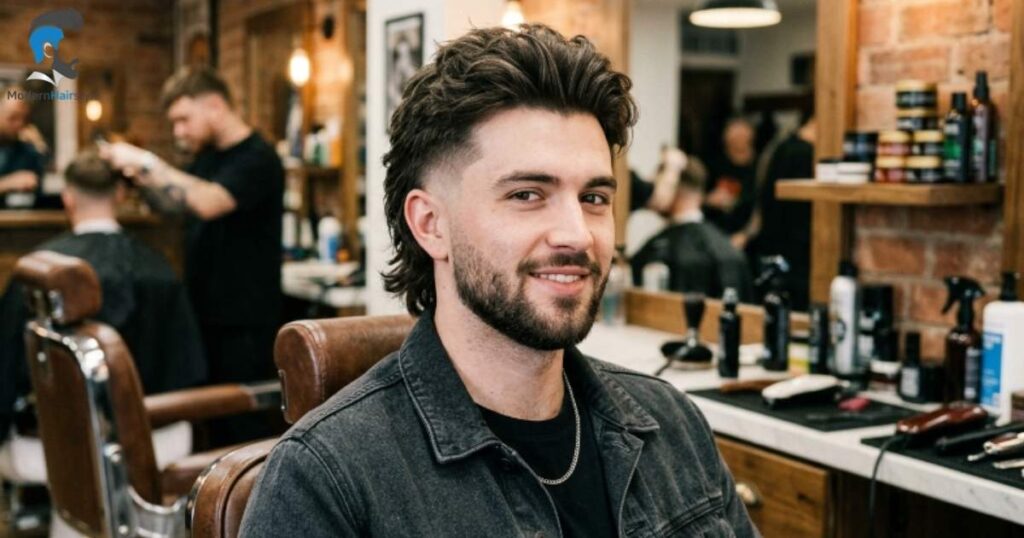
A low taper mullet fade keeps the same low placement but sharpens the blend for more visible contrast. The transition is tighter and crisper, making the sides look extra clean next to the layered back. It’s a great option for guys who wear hats or helmets regularly the outline holds even after being covered up all day. This version leans closer to a low fade mullet haircut without going fully skin-level. Bold enough to notice, clean enough to wear anywhere.
3) Low Taper Mullet Straight Hair
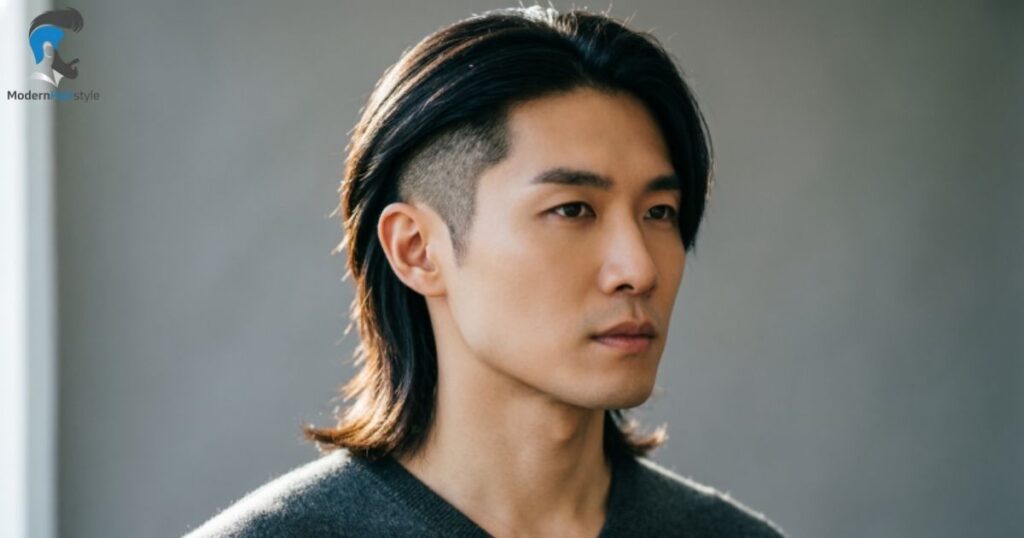
Straight hair can look flat at the back if the layers aren’t right. This straight hair mullet taper uses deliberate layering through the back to stop the ends from clumping into a single heavy block. The result holds its shape with minimal product a light textured spray before blow drying is all you need. The top stays smooth and the back moves naturally. It’s one of the easier versions to maintain daily, which makes it a solid pick for busy schedules.
4) Low Taper Mullet Curly Hair
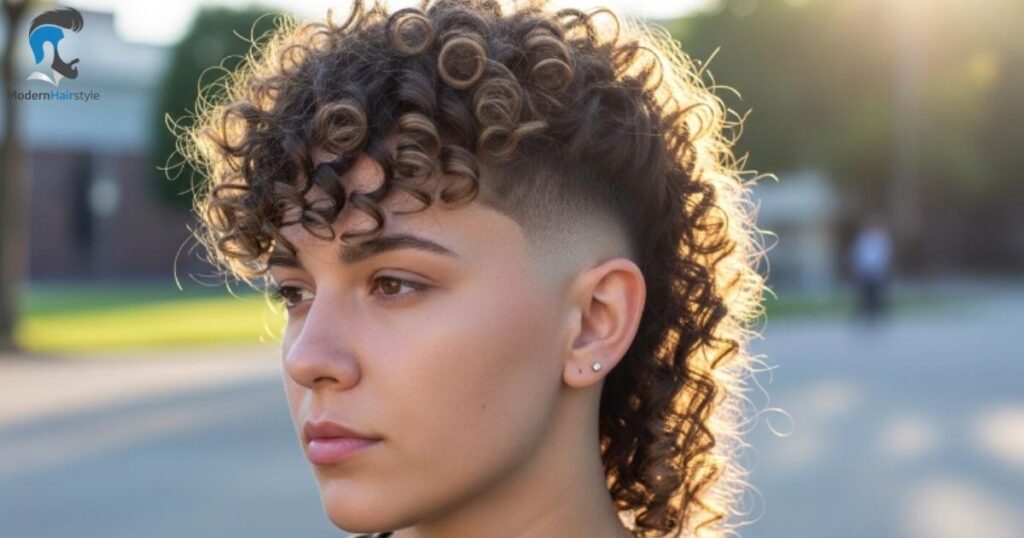
Curly hair needs the sides trimmed down so the puff doesn’t dominate the whole look. This curly mullet taper keeps a soft, layered back so the curl pattern stays visible and healthy. Apply a small amount of curl cream from mid-length to ends, then diffuse on low heat. The result frames the face cleanly and reads professional at work without losing the natural curl energy on weekends. It’s one of the most expressive versions of this cut.
5) Low Taper Mullet Wavy Hair
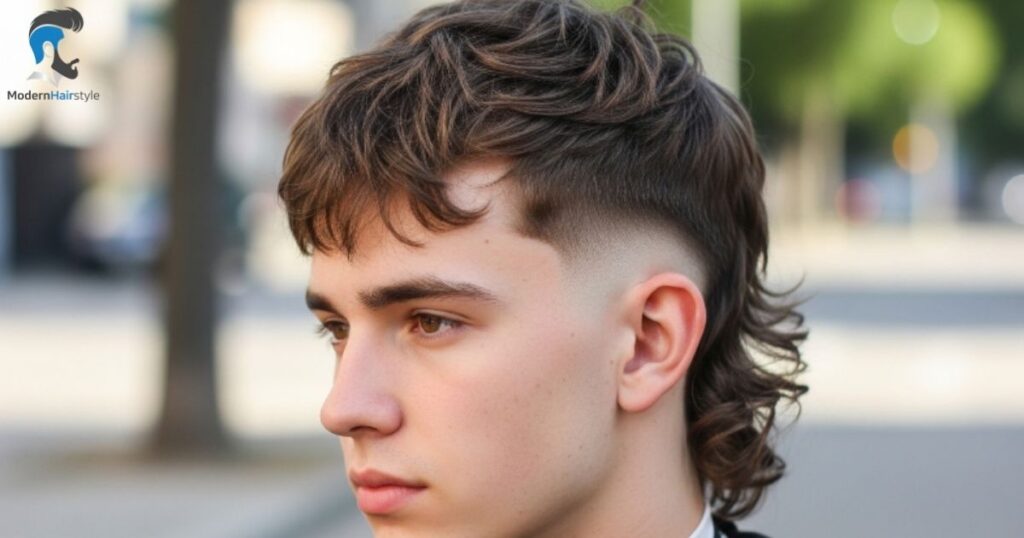
Waves sit right in the sweet spot between straight and curly they look great when they stack properly and messy when they don’t. This wavy hair mullet style uses light layers so the wave builds through the back without puffing out. Dry on low heat and finish with a small touch of cream for definition. The low taper keeps the sides tidy so all the attention lands on the wave movement in the back. Simple, natural, and genuinely good-looking.
6) Modern Mullet Taper Fade
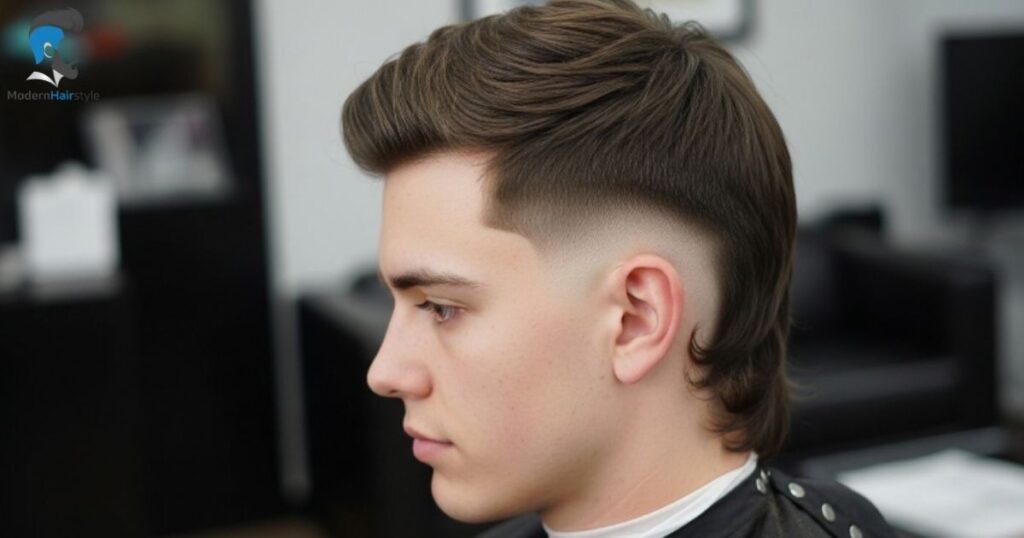
The modern mullet taper fade is the office-friendly version of a high-contrast look. The edges are crisp, the back is layered and natural-looking, and the top has enough length to shape however you like two to four inches works well for most guys. Daily styling takes about three minutes: spray sea salt on damp hair, blow dry on low, then add a fingertip of matte pomade to shape the top. The blend stays smooth for weeks and suits smart casual and streetwear equally well.
7) Taper Mullet Fade
A taper mullet fade adds more contrast than a simple taper by shortening the sides more dramatically near the ear. The side profile becomes leaner and the back has more room to flow. This version suits thick hair that tends to widen at the cheeks the tighter fade pulls the sides in and lets the back do the work. Ask for soft layers through the back so the ends move naturally rather than sitting stiff. It’s a clean, versatile taper fade hairstyle for men that suits multiple occasions.
8) Mid Taper Mullet
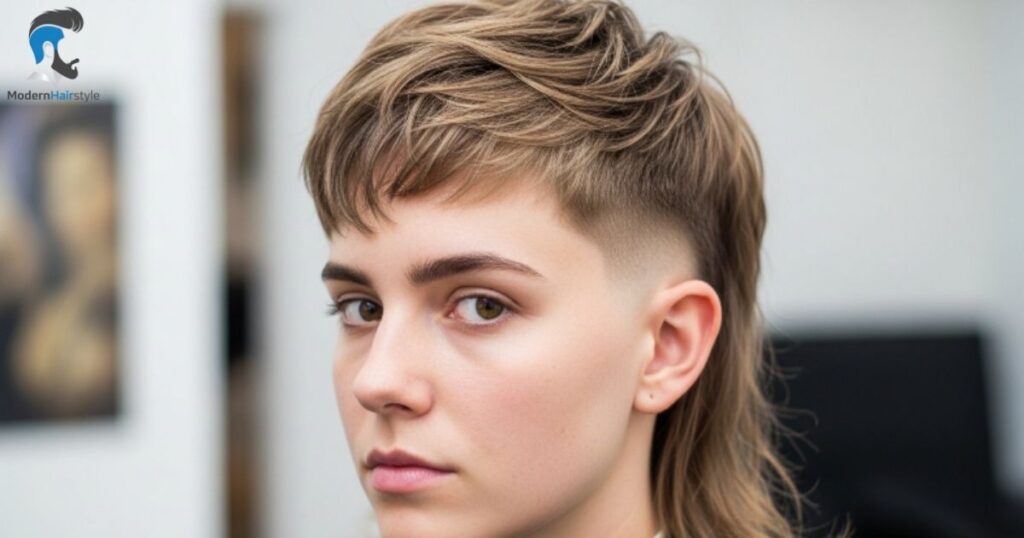
The mid taper mullet style raises the taper slightly higher sitting roughly between the ear and the temple. This creates a slimmer side view and a subtle boost of height, which helps round face shapes. The back stays at a medium length for balance. It’s a sharp look without feeling aggressive. On a four to six week trim cycle it grows out cleanly, so it still looks intentional even a few weeks after your last visit.
9) High Taper Mullet
A high taper fade mullet sets the taper near the temples for maximum contrast without going full skin fade. It’s the boldest version on this list great for photos, great for thick hair that needs bulk removed, and great if you want people to notice the cut. Pair it with short stubble for a strong overall look. Keep the back layered so it moves and skip heavy shine products matte finish suits this style far better.
10) Tapered Mullet
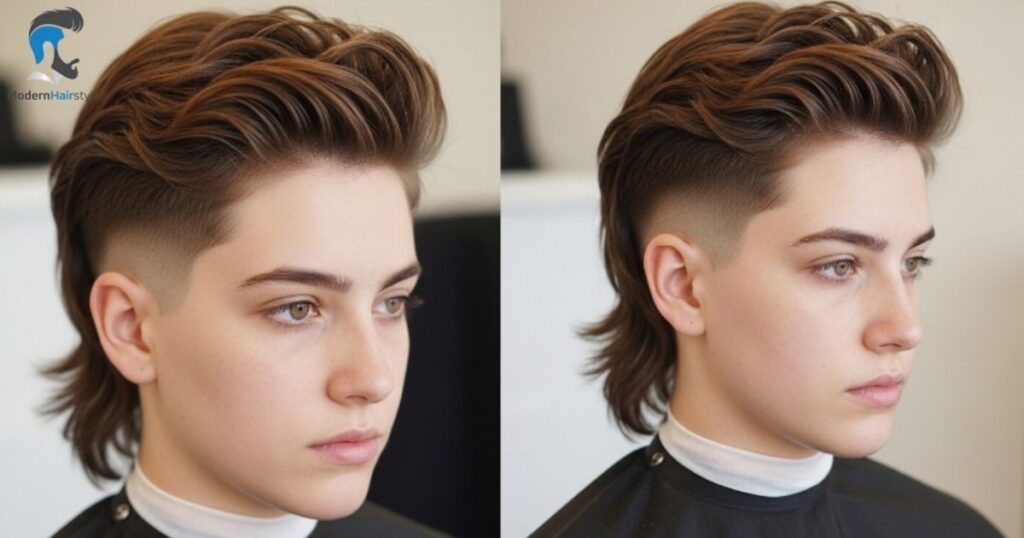
The tapered mullet is the most understated version here. Everything stays soft and gradual the taper is gentle, the top is light, and the back sits just past the collar. It fits stricter dress codes without abandoning the mullet shape entirely. If you work somewhere conservative but still want to express some personality, this is your version. It also grows out cleanly between trims, which saves time and money. A small amount of paste and some water is all you need to restyle it each morning.
11) Short Low Taper Mullet
This is the lowest-maintenance option on the list. The back is modest in length, the top is textured, and the taper stays neat. It’s a short mullet haircut for men that keeps a tidy outline with just a hint of length enough to read as a mullet without going all-in. You can stretch the time between barber visits a bit longer with this version because the proportions stay balanced even as it grows. Minimal product, minimal effort, and still a sharp look.
12) Low Taper Mullet Middle Part
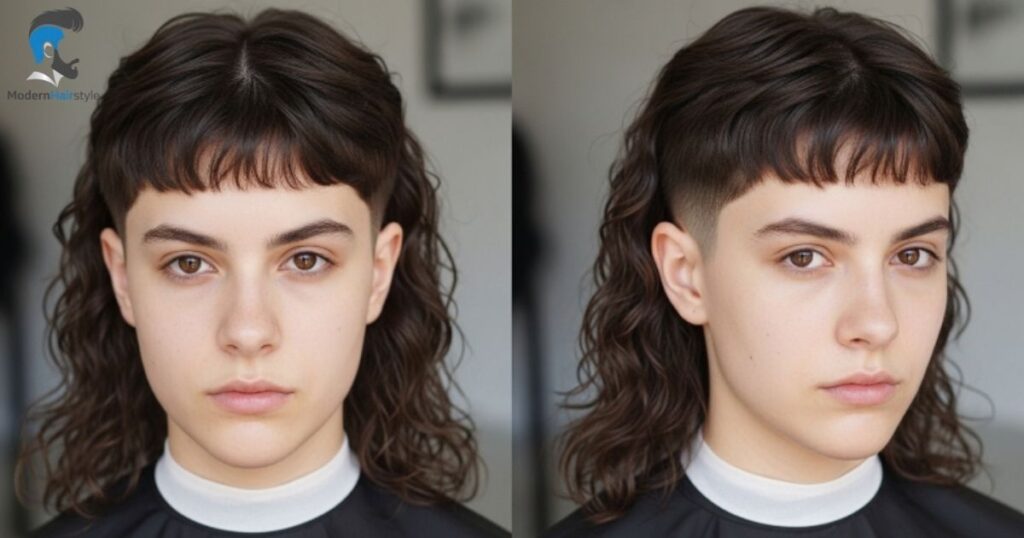
The middle part splits the top down the center and creates a soft, even flow on both sides. It works best with straight or lightly wavy hair where both sides fall symmetrically. The low taper keeps the sides snug and the back holds its layered shape. This version pairs naturally with casual outfits clean sneakers, relaxed fits. Ask for soft layers so both sides move the same way. It’s one of those modern men’s haircut styles that looks effortless without actually being careless.
13) Low Taper Mullet Flow
The flow version is all about movement. The taper stays low and the back is layered specifically so the hair glides when you walk. It’s less structured than the baseline and more about letting the hair behave naturally. Use sea salt spray before drying for grip and texture, then finish with a small amount of cream so it doesn’t look stiff. This is a men’s low taper mullet that feels genuinely effortless perfect for guys who don’t love fussing with their hair but still want it to look good.
14) Men’s Low Taper Mullet
This version focuses on versatility. A tidy neckline, a smooth blend, and a medium back that suits jackets and t-shirts equally. It’s a clean and professional mullet haircut that doesn’t stand out in a formal setting but still has enough shape to look interesting anywhere else. For thick hair, ask for light debulking through the back. For fine hair, keep the back shorter and the top textured so it holds without product weighing it down.
15) Low Taper Mullet Fade for Wavy, Curly, Straight
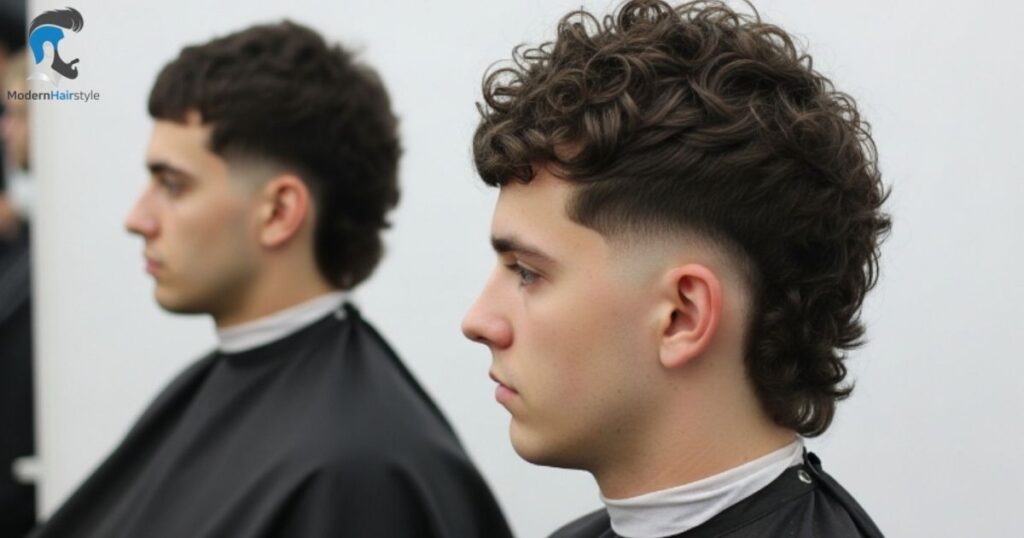
This is the universal version tuned to your hair type rather than locked into one approach. For straight hair, add layers. For curly hair, use soft thinning through the back. For wavy hair, light shaping is enough. The low taper mullet fade stays neat with a quick blow dry and a fingertip of product regardless of your texture. It’s the most adaptable option here and the one your barber can customize most easily. Bring a photo and describe your texture they’ll dial it in from there.
How to Style in Three Steps
Here’s the good news: styling a taper mullet at home doesn’t require a professional setup or a shelf full of products. You need a towel, a blow dryer, and one or two lightweight items. That’s it.
Start by towel-drying your hair so it’s damp but not dripping. Apply a light sea salt spray from roots to mid-lengths it’s one of the best products for mullet styling because it adds body and grip without stiffness. Then blow dry on low heat and guide the direction with your fingers or a vent brush. Once the hair is about 80% dry, the shape is mostly set. Finish with a small amount of matte pomade or clay on the top and a light pass through the back. Pinch the fringe if you have one. The whole routine takes about three minutes and works for straight, wavy, and curly hair alike.
Barber Instructions
Knowing how to get a low taper mullet starts before you sit in the chair. Bring a reference photo it removes the guesswork and gets you much closer to the result you actually want. Most barbers appreciate it.
When you’re ready to explain the cut, say: “I want a low taper mullet with a smooth blend from the low taper into a layered back. Keep the top [your preferred length] and let the back fall around collar-length.” If you want more contrast, mention mid taper or high taper as an alternative. For thick hair, ask for light debulking through the back so it doesn’t sit heavy. For fine hair, ask to keep the back a little shorter and the top well-textured so it holds. These barber tips for the taper mullet haircut apply whether it’s your first or your tenth.
Care and Upkeep
How often to trim a mullet depends on the version you’re wearing. For most styles, every four to six weeks keeps the taper clean and the back proportional. If you’re running a shorter version, you might stretch it slightly. For a truly low maintenance mullet, ask your barber for a neckline that grows out cleanly a squared neckline can look rough after two weeks while a rounded or tapered one stays tidy much longer.
For daily care, wash two or three times per week and condition the mid-lengths and ends every wash. If the back gets dry or frizzy, add a weekly deep conditioner. Sleep on a satin pillowcase to reduce friction overnight it genuinely makes a difference in how smooth the hair looks the next morning. Between appointments, tidy the neckline and around the ears with a small trimmer to keep the outline sharp. It’s a five-minute job that makes the whole cut look fresh for weeks.
FAQs
What is a low taper mullet?
It’s a haircut with a gentle taper near the ear that blends smoothly into a longer, layered back. The front looks clean and structured while the back adds length and natural movement.
Is a mullet good for work?
Yes especially the low taper version. The sides stay short and tidy so it reads professional from the front. The back length is subtle enough for most office environments.
How often should I trim a taper mullet?
Every four to six weeks keeps it looking its best. The taper tends to lose its shape after six weeks, so staying on schedule makes a real difference.
What’s the difference between a low taper mullet vs fade mullet?
A taper gradually reduces the length while leaving some hair visible on the sides. A fade cuts down to the skin for sharper, higher contrast. The fade is bolder and more defined.
Can I style a low taper mullet at home?
Absolutely. A quick blow dry on low heat with sea salt spray and a touch of matte clay is all you need. The whole routine takes about three minutes.
Conclusion
The low taper mullet is one of those rare cuts that earns its place across different settings, hair types, and face shapes. It gives you clean edges where you need them and personality where it counts. Whether you go for the baseline version, a curly variation, a low taper mullet fade, or something in between the formula stays the same: short and tidy on the sides, layered and free in the back.
Pick the variation that fits your life, follow the simple styling steps, and trim it every four to six weeks. Modern men’s haircut styles come and go, but this one has real staying power because it actually works.

